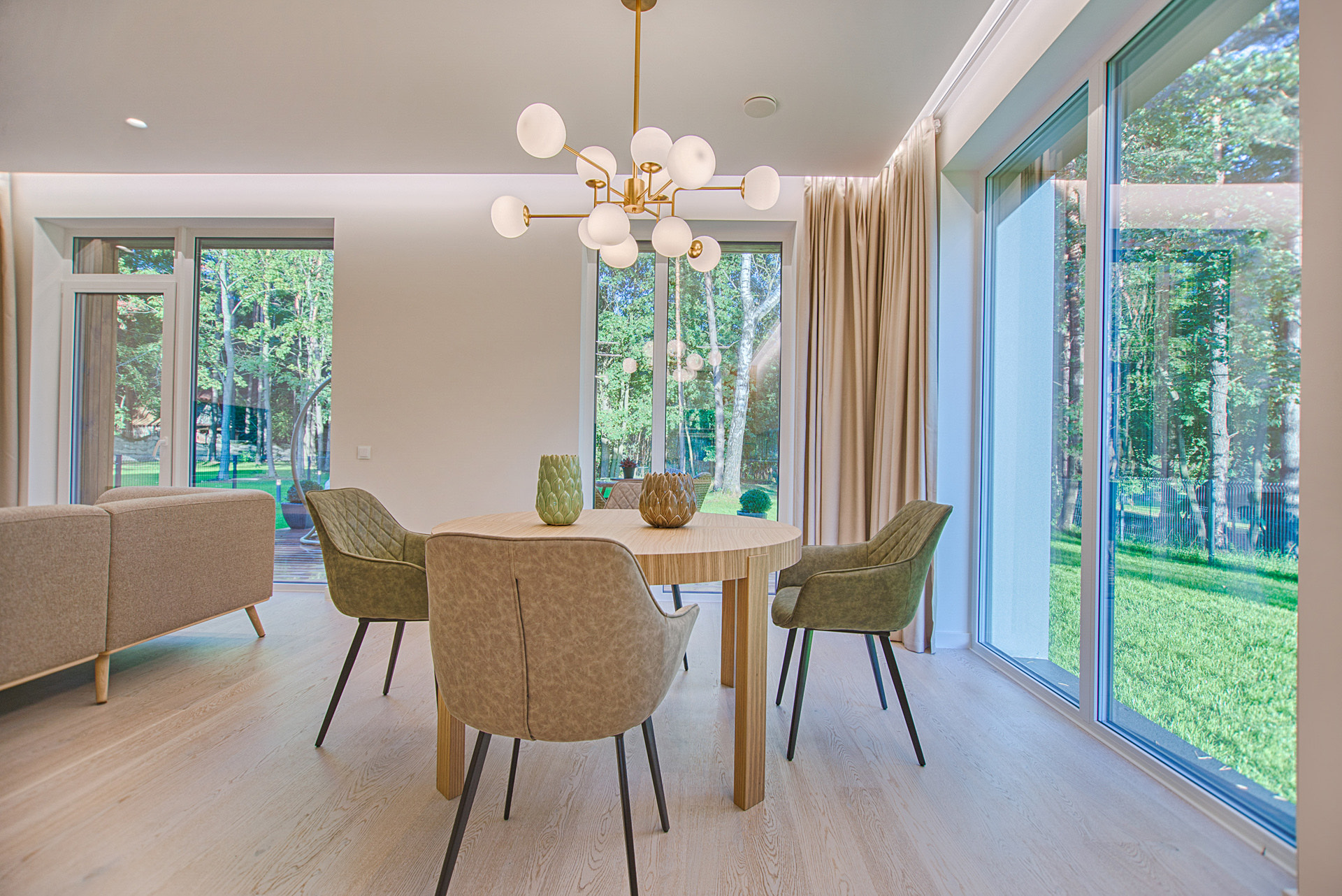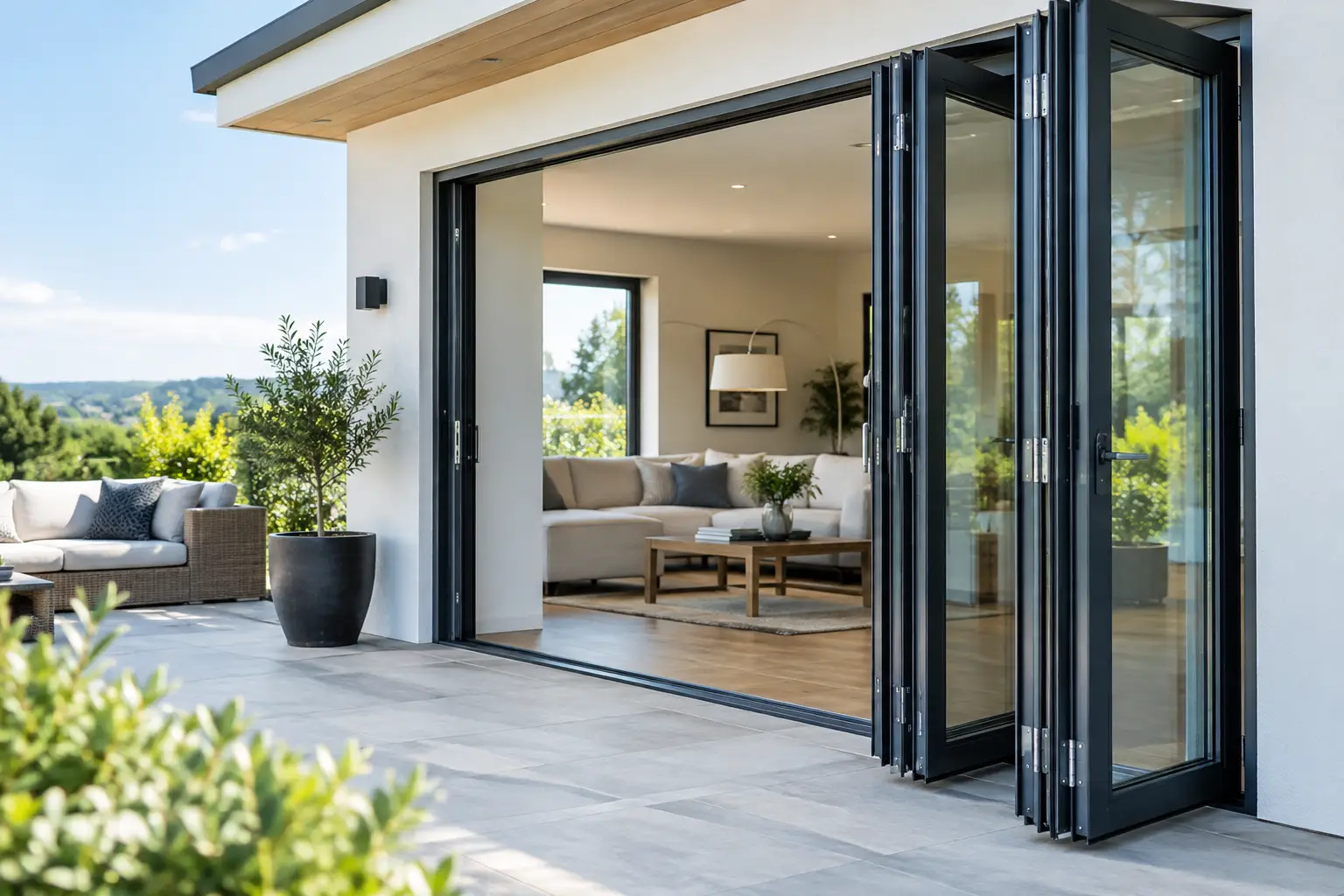
A bifold door can turn an extension, kitchen or garden room into a space that feels brighter and more connected to the garden. Yet the wrong specification can leave you with doors that look impressive in a brochure but feel awkward to operate, lose too much heat or fail to suit the way your family uses the room. Knowing how to choose aluminium bifold doors means looking beyond the number of panels and the frame colour.
Aluminium is a premium choice for large glazed openings because it combines slim sightlines with the strength to support wide glass panels. It is also low-maintenance, secure and available in a wide range of finishes. The best choice, however, is always one designed around your property, opening and priorities.
How to choose aluminium bifold doors: start with the opening
Measure the available opening, but do not make a final decision based on width alone. The height of the opening, the position of supporting steelwork, the floor build-up and the relationship with the patio all influence which configuration will work best. A professional survey is essential, particularly for extensions and renovation projects where walls and thresholds may not be perfectly level.
Think carefully about how you want the doors to open on a warm day. A three-panel arrangement may suit a modest opening, while four, five or six panels can create a dramatic opening across the rear of a home. More panels do not automatically mean a better result. Each additional panel introduces another vertical sightline, so a larger opening may sometimes suit a slimline sliding door better if uninterrupted views are the priority.
Also decide where the doors should stack when fully open. A traffic door – a single panel that opens independently – is useful for everyday access to the garden without folding back the entire system. For family homes, this small detail often makes a noticeable difference to day-to-day convenience.
Choose a configuration that suits how you live
Bifold doors can fold internally or externally. External folding is frequently chosen because it keeps the folded panels outside and preserves more internal floor space. It can be particularly effective in kitchens and dining areas where furniture sits close to the opening.
Internal folding may be the better option where an exterior path, raised decking or boundary layout leaves limited room for stacked panels outside. There is no universal answer. The practical choice depends on clearances, furniture placement, garden access and how the room will be used throughout the year.
Threshold design deserves the same consideration. A low threshold creates a neater transition between the inside and outside, reducing trip risks and helping the space feel more open. However, drainage and weather exposure must be assessed properly. A sheltered rear elevation may allow a very flush finish, while a more exposed location may require a threshold designed to provide greater weather protection.
Prioritise thermal performance, not just the frame
Modern aluminium bifold doors use thermally broken frames. This means a barrier within the aluminium profile reduces the transfer of heat between the internal and external faces of the frame. It is a key reason why quality aluminium systems can achieve strong thermal performance despite aluminium being a conductive material.
Ask about the whole-door U-value rather than relying only on the centre-pane performance of the glass. The whole-door figure takes the frame, glass and spacers into account, giving a more meaningful view of how the installed doors should perform. Lower U-values generally indicate better insulation, though the right specification should also reflect the rest of the extension or property.
Glazing selection matters just as much. Double glazing will suit many projects, while triple glazing can be worth considering for particular orientations, larger exposed elevations or projects targeting a higher thermal standard. Triple glazing adds weight and can affect panel size or configuration, so it should be specified as part of the complete system rather than added as an afterthought.
Solar control glass may be useful for south- or west-facing rooms that receive intense afternoon sun. It can reduce excessive heat gain and glare while maintaining a bright interior. The trade-off is that some solar-control coatings slightly alter the appearance of the glass or reduce the amount of solar warmth gained in colder months. A good glazing specialist will help balance comfort in summer with light levels and warmth in winter.
Look closely at security and hardware
Large glazed doors should make a home feel open, not vulnerable. Quality aluminium bifold doors are built with multi-point locking, secure handles and toughened safety glass as standard in the relevant areas. Laminated glass can add another layer of security where appropriate, as it remains held together if broken.
Do not overlook the cylinders and handles. These are the parts you use every day, and their quality affects both security and the overall feel of the doors. Ask how the system is tested, what locking mechanism it uses and whether the specification meets recognised security standards for domestic doors.
The tracking system is equally significant. Doors should glide smoothly, align correctly and lock without forcing the handle. Heavy panels, poor adjustment or inferior running gear can quickly turn an attractive feature into a frustrating one. Premium systems are engineered for regular use, but precise installation remains vital to their long-term operation.
Select a colour and finish with the whole property in mind
Anthracite grey and black remain popular choices for contemporary extensions, but aluminium offers far more flexibility than a narrow palette of fashionable colours. White can create a clean, light appearance, while softer greys, heritage shades and carefully chosen dual colours can complement more traditional homes.
A dual-colour option can be particularly effective when the internal scheme calls for a lighter finish but the exterior needs to coordinate with existing windows, brickwork or roof details. Consider the doors alongside fascia boards, gutters, external lighting and garden structures rather than viewing them as an isolated product.
Powder-coated aluminium is designed for durability and needs far less upkeep than timber. Even so, finish quality matters. Choose a reputable system and installer, and ask about the coating warranty, coastal suitability if relevant and the recommended cleaning routine. A gentle wash with warm water and mild detergent is usually enough to keep frames looking their best.
Make glass design part of the decision
Clear glass is the natural choice when you want to frame a garden view, but privacy, overlooking and sunlight may call for a more considered approach. Obscure, tinted or solar-control glass can all be specified without compromising the overall design.
The size and positioning of glazing bars also deserve attention if you are creating a heritage-inspired look. Aluminium bifolds can work beautifully on period properties when the colours, proportions and surrounding architecture are respected. However, if authentic narrow glazing divisions are central to the design, alternative door styles may be more suitable. It is better to choose a product that genuinely suits the property than force a modern system to imitate another style.
Compare quotations on specification and fitting quality
Two quotations for apparently similar aluminium bifold doors can differ for good reason. Check exactly which system is being offered, the glass specification, hardware finish, threshold type, colour, security features, survey work and installation details. A low headline figure can exclude elements that are essential for a finished, weather-tight result.
Installation should be treated as part of the product, not a separate inconvenience. Accurate preparation, correct packing, secure fixing, careful sealing and final adjustment determine how the doors perform over time. For projects across Nottinghamshire and the surrounding counties, working with an established specialist such as Kingdom Architectural Glazing Systems provides the reassurance of experienced surveyors, professional fitting and accountable aftercare.
Ask what warranty covers the frames, glass, hardware and installation. It is also sensible to confirm who will handle adjustments should the doors need fine-tuning after the building settles or seasonal temperatures change.
Plan early if the doors are part of an extension
Bifold doors should be selected early in the design process, especially where they form a major opening in an extension. Their dimensions may affect structural calculations, steelwork, drainage, flooring levels and compliance with Building Regulations. Early decisions also avoid last-minute compromises on panel widths, sightlines or threshold detailing.
For replacement doors, check whether planning restrictions or conservation considerations apply. Most installations do not require planning permission, but listed buildings, conservation areas and substantial alterations can be different. A specialist can advise on what needs checking before work begins.
The right aluminium bifold doors should feel effortless once they are installed: easy to open, comfortable to sit beside in winter and striking without competing with the home around them. Start with the way you want to live in the space, then choose a system and installation team capable of delivering that vision for years to come.
Recent News
8 October 2026
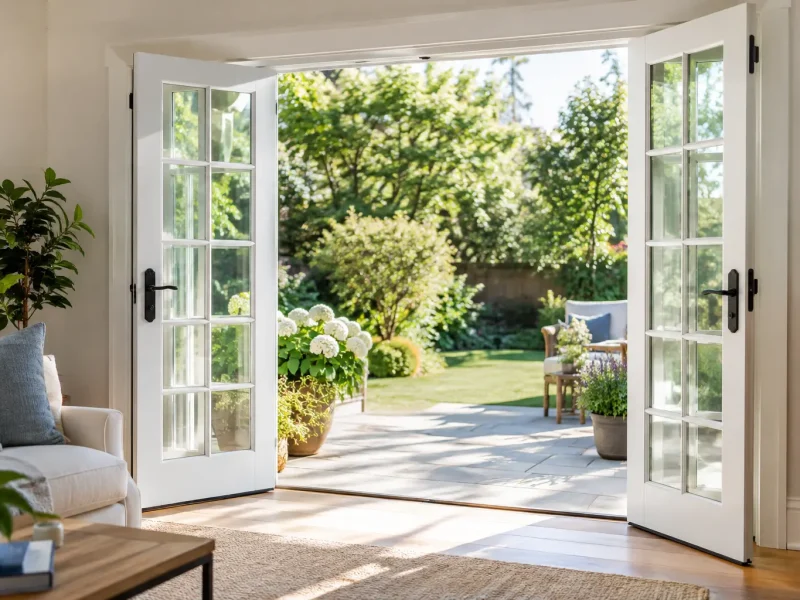
French Doors for Brighter Garden Living Spaces
4 October 2026
Heritage Style Aluminium Windows for Period Homes
2 October 2026
Choosing the Best Windows for Period Homes
30 September 2026
Glass Roof Versus Tiled Roof: Which Works Best?