A period property rarely needs a complete change of character. More often, it needs better performance without losing the details that made it worth buying in the first place. Heritage style aluminium windows are designed for exactly that balance, bringing slim, traditional-inspired profiles together with the insulation, security and reliability expected from a modern installation.
For homeowners renovating Victorian terraces, Edwardian houses, country cottages or characterful town properties, the right windows can protect kerb appeal while making everyday living warmer, quieter and more secure. The important part is choosing a system, finish and configuration that genuinely suit the building rather than simply adding a heritage label.
What makes a window heritage style?
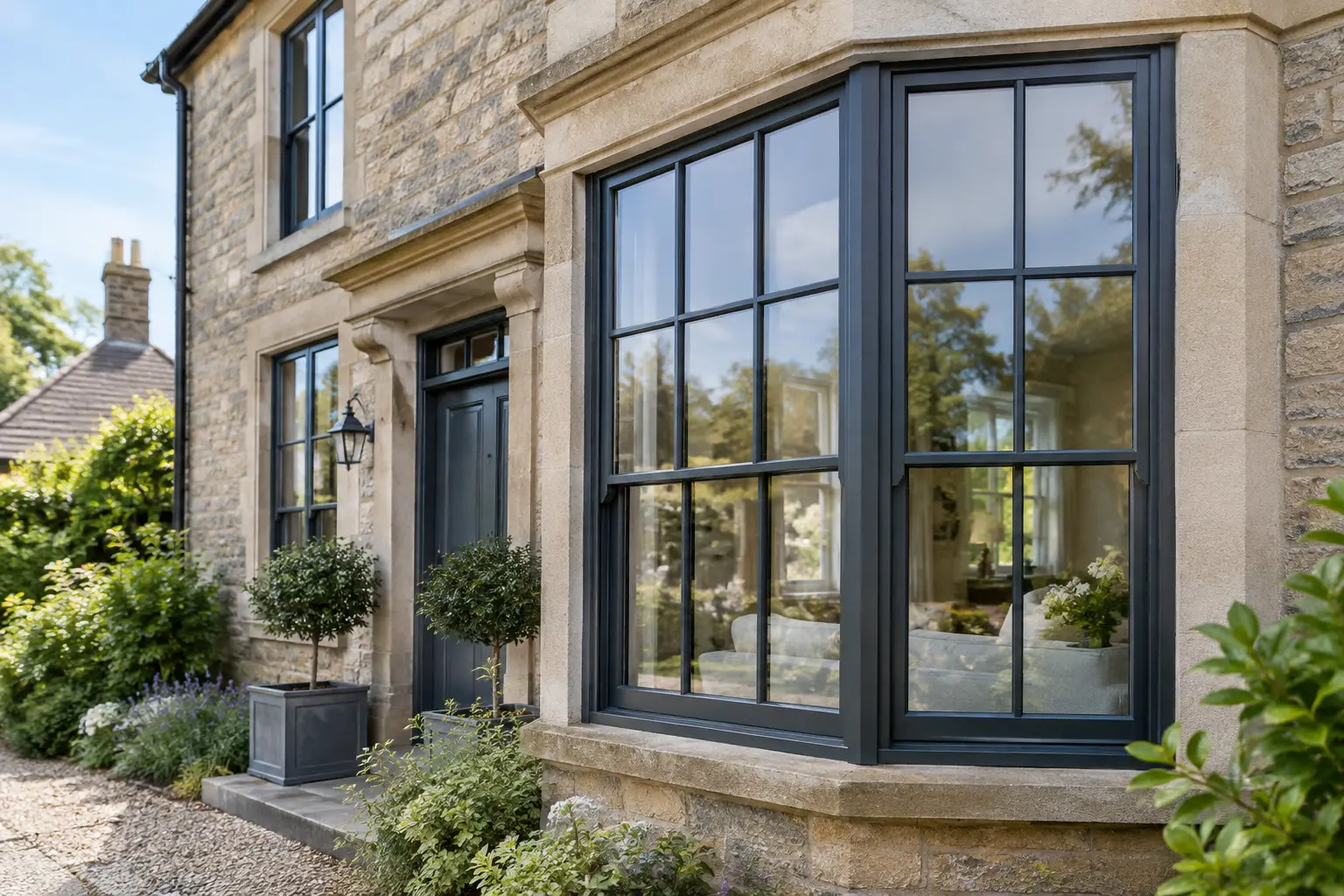
Heritage-style windows take their visual cues from traditional steel-framed glazing. They typically feature slender frames, narrow sightlines and glazing bars that create distinctive rectangular panes. The result is refined and architectural, with less visual bulk than many conventional window systems.
Aluminium is particularly well suited to this look because it is strong enough to support slim sections without compromising the frame’s stability. This allows larger glazed areas and more natural light, while retaining the delicate proportions associated with historic steel windows.
The term can cover several designs. Fixed panes and casement windows are popular for front elevations and bay windows, while French doors, internal screens and glazed partitions can carry the same character through an extension or living space. Consistency matters: matching frame lines and glazing bar layouts across adjoining elements creates a more considered finish.
Why aluminium is a practical upgrade
Original steel windows can be beautiful, but they are often affected by corrosion, draughts, condensation and poor sealing. Timber frames have their own appeal, yet demand regular painting and maintenance to guard against weathering. Modern aluminium offers a lower-maintenance route to a similar visual effect.
Quality aluminium windows are powder coated for a durable, even finish that does not require repainting every few years. They will not rot, swell or warp, making them a sensible choice for exposed elevations and busy family homes. Dark tones such as black, anthracite grey and deep bronze are popular, but heritage schemes are not limited to dark frames. Softer greys, heritage greens and carefully selected neutral colours can be more sympathetic to brickwork, stone and rendered façades.
Thermally broken aluminium frames are engineered to reduce heat transfer between the inside and outside of the home. Combined with suitable double or triple glazing, they can make a meaningful difference to comfort and energy efficiency. The final performance depends on the whole specification, including glass, seals, installation and the condition of the surrounding opening, so it is worth looking beyond a single headline figure.
Security is another consideration. Modern locking systems, toughened or laminated glass where appropriate and professionally fitted frames provide reassurance that original single-glazed windows may not offer. This is especially valuable where slim heritage sightlines are being used at ground-floor level or within doors.
Heritage style aluminium windows: getting the proportions right
The strongest heritage installations do not just copy a grid pattern. They respond to the architecture of the house. A glazing bar layout that feels right on a tall Victorian sash-style opening may look crowded on a modest cottage casement. Likewise, an overly wide frame can disrupt the very lightness that makes steel-inspired designs so attractive.
Start by looking at the existing window openings. Their height-to-width ratio, the position of transoms and mullions, and the rhythm of neighbouring properties can all inform the design. On a semi-detached home or terraced street, a sympathetic approach can preserve the character of the façade while still giving the property a more polished appearance.
Glazing bars should be used with purpose. Fewer, well-positioned divisions often look more convincing than a complex pattern added purely for effect. If you are replacing original windows, old photographs and remaining period details can provide useful clues. For extensions, there is more freedom, but the frame design should still feel connected to the main house.
Colour also changes the impact. Black aluminium can give a crisp, contemporary take on traditional steel windows, particularly against pale render or brick. A darker bronze or muted grey can appear less stark in a rural or period setting. Viewing real samples in natural light is worthwhile, as the same finish can look quite different beside red brick, limestone or painted timber.
Choosing the right glazing for comfort and privacy
The frame may get the attention, but the glass does much of the day-to-day work. A carefully specified unit can reduce heat loss, help control solar gain and improve acoustic comfort.
For rooms facing a busy road, acoustic glazing may help soften traffic noise. In bathrooms, stairwells or overlooked areas, obscured glass can maintain privacy without losing daylight. South- and west-facing rooms may benefit from solar-control glass if overheating is a concern, particularly where large areas of glazing are planned.
Triple glazing is not automatically the best answer for every home. It can offer excellent thermal performance, but it adds weight and can affect the appearance of slim-profile designs. In many renovation projects, high-quality double glazing within a properly designed aluminium system delivers the right balance of efficiency, sightlines and value. A specialist survey helps identify what is most suitable for the property rather than applying one specification everywhere.
Planning, listed buildings and conservation areas
If your home is listed or located in a conservation area, window replacement may require additional care and, in some cases, consent. Restrictions vary significantly between local authorities and can cover materials, opening styles, glazing patterns and frame colours.
Aluminium may be acceptable in some settings, particularly where it closely reflects the proportions of the original windows, but it is not guaranteed. Timber may be required for certain listed properties, while other homes may allow a well-designed aluminium alternative. It is better to establish the position before ordering than to choose a product based on appearance alone.
Even where formal permission is not needed, the local character of the street should influence the design. A well-judged replacement enhances a property. A frame that is too glossy, too chunky or incorrectly divided can make a period elevation feel less authentic.
Installation matters as much as the window
Premium frames can only perform as intended when they are measured, prepared and fitted correctly. Older homes often have uneven openings, hidden structural issues or original details that need protection during removal. This is where experience with renovation work makes a real difference.
A professional installation should consider the condition of surrounding brickwork or render, accurate frame packing, insulation around the opening and a neat internal and external finish. Poor sealing can lead to draughts, water ingress or cold spots around an otherwise high-performing window.
At Kingdom Architectural Glazing Systems, the focus is on helping homeowners specify glazing that suits both the building and the way they live. A detailed survey provides the opportunity to discuss sightlines, colour, glazing, opening configurations and practical considerations before installation begins.
A long-term choice for homes with character
Heritage-style aluminium is not the cheapest route to replacement windows, and it should not be chosen simply because black frames are fashionable. Its value lies in combining a distinctive architectural look with low maintenance, strong security and modern thermal performance.
For a carefully restored period home, it can retain the elegance of traditional steel without the compromise of ageing frames. For a new extension, it can create a confident connection between old and new, bringing in light without overpowering the original building.
The best result comes from treating the windows as part of the architecture, not a finishing touch. Take time to consider proportions, glass, colour and installation quality, and your home can gain the comfort it needs while keeping the character that makes it yours.
Recent News
8 October 2026
French Doors for Brighter Garden Living Spaces
6 October 2026
How to Choose Aluminium Bifold Doors That Last
2 October 2026
Choosing the Best Windows for Period Homes
30 September 2026
Glass Roof Versus Tiled Roof: Which Works Best?