A front door is often judged in seconds – by visitors, prospective buyers and, unfortunately, by anyone looking for an easy point of entry. Effective door security is therefore not simply about fitting a stronger lock. It is about choosing a door, frame, glazing, hardware and installation method that work properly together, while still giving your home the character it deserves.
For homeowners planning a renovation, extension or replacement door, security should be considered at the start rather than added as an afterthought. The right specification can improve peace of mind, everyday practicality and kerb appeal in one considered investment.
Door security starts with the whole system
A high-quality lock is valuable, but it cannot compensate for a weak frame, poorly fitted hinges or a door panel that can flex under pressure. Doors are a system, and their performance is only as good as the weakest component.
This is why a professionally manufactured and fitted composite, aluminium or steel security door can offer a meaningful step up from an ageing timber or basic uPVC entrance door. Modern door sets are designed with reinforced sections, secure keeps, multi-point locking and carefully engineered hinges that resist the forces used in forced-entry attempts.
The frame matters just as much as the door leaf. A secure door needs a frame that is correctly fixed back to the structure of the property, not simply packed into an opening and concealed with trim. Accurate surveying and installation are essential, particularly in older homes where openings may not be perfectly square.
It also pays to think beyond the front entrance. Side doors, utility-room doors, garage access doors and doors leading from a conservatory or garden room can be less visible from the street. They should receive the same level of attention, especially if they provide a route into the main house.
Choosing the right external door
The most suitable door depends on the property, its location and the way your household uses it. There is no single material that is right for every home, but there are clear differences worth understanding.
Composite doors for everyday performance
Composite doors remain a popular choice for family homes because they combine a substantial feel with a broad choice of colours, glass designs and traditional or contemporary styles. A well-specified composite door can include a reinforced frame, multi-point locking and secure hinges without looking overly technical or industrial.
They are particularly suited to homeowners who want the appearance of a classic panelled door but less maintenance than painted timber. The key is to look beyond the surface finish. Ask how the door is reinforced, what locking system is supplied and whether the hardware has been selected to complement the security level of the door itself.
Aluminium doors for modern homes
Aluminium entrance doors suit more contemporary architecture, extensions and homes with large areas of glazing. The material allows for crisp lines, bold colours and slim but strong profiles. With the correct specification, an aluminium door can pair impressive structural strength with excellent weather resistance and a refined finish.
This option is often chosen where homeowners want their entrance door to relate to aluminium windows, bifolds or slimline sliding doors elsewhere in the project. It can create a consistent architectural look without treating security as a compromise.
Steel security doors where protection is paramount
Steel security doors are a considered option for properties where a particularly high level of protection is required, or where the visual impact of a solid, statement entrance is part of the brief. They can be specified in styles ranging from understated and traditional to strikingly contemporary.
A steel door may not be necessary for every home, however. It is usually more important to select a properly engineered door set that suits the risk profile of the property and is installed to a high standard than to choose the heaviest material available.
Locks, cylinders and hardware deserve closer attention
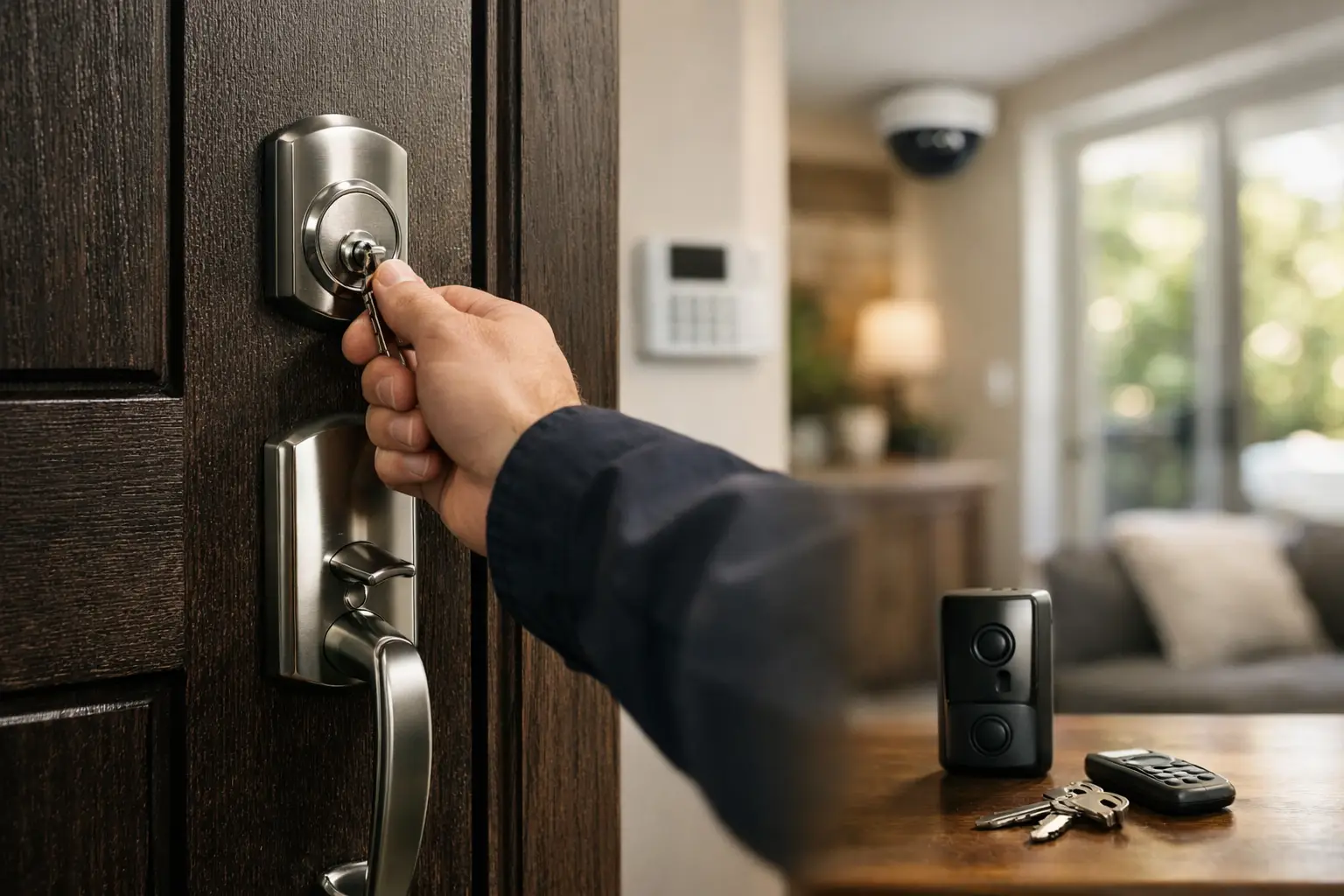
Most modern external doors use a multi-point locking system. When the handle is lifted and the key turned, several locking points engage along the height of the door, securing it into the frame rather than at one central point alone. This provides a much more secure arrangement than an old single-latch lock.
The cylinder is equally significant, especially on doors with euro-profile cylinders. Quality cylinders can be designed to resist common methods of attack, such as snapping, drilling or picking. If you are replacing a cylinder on an otherwise sound door, choose one that is appropriate for the door and seek advice from a qualified installer or locksmith.
For some homes, insurance requirements may influence lock choice. Policies can vary, so it is sensible to check the wording rather than assuming a particular lock meets the insurer’s conditions. The same applies to doors fitted with a thumbturn on the inside. They can be convenient for leaving the house quickly in an emergency, but the specification must take account of any nearby glazing and the overall door design.
Handles, letter plates and viewers should not be overlooked either. Loose, worn or poorly fitted hardware can undermine an otherwise secure entrance. A secure letter plate should be appropriately positioned and designed so it does not create easy access to internal locking furniture.
Glazed door security without losing light
Glazed panels, sidelights and fanlights can make an entrance feel far more welcoming. They bring daylight into halls and can transform the appearance of a dark porch. They do not need to be avoided for security reasons, but the glass specification should be suitable for its location.
Toughened or laminated safety glass may be recommended depending on the design and position of the glazing. Laminated glass is made with an interlayer that helps hold the pane together if broken, which can offer added resistance. The frame, beads and method used to retain the glass are also important – security glazing should be integrated into a properly designed door system rather than treated as an isolated upgrade.
For rear elevations, French doors, bifolds and sliding doors require the same careful approach. Large glazed openings can be exceptionally secure when they use reliable locking mechanisms, strong frames and professional fitting. Keep keys out of sight and away from the door, particularly where glass is close to the locking area.
Why installation is part of the security specification
Even the best door can disappoint if it is not surveyed, fitted and adjusted correctly. Gaps around the frame, poorly aligned locks and screws that do not anchor securely into the building fabric can all affect how the door performs over time.
A professional installation should include a detailed survey before manufacture, appropriate fixings for the wall construction and careful adjustment once the door is in place. The door should close smoothly, engage fully with the locking points and form a consistent weather seal around the opening. A door that requires force to lock is not simply inconvenient – it may be a sign that adjustment is needed.
For larger renovation and extension projects, it is worth coordinating door installation with surrounding brickwork, insulation, plastering and floor finishes. This avoids rushed decisions at the final stage and helps ensure thresholds, drainage and access are properly resolved.
Kingdom Architectural Glazing Systems takes this whole-door-set approach, helping homeowners select premium solutions that balance design, thermal performance and dependable protection, then fitting them with the care such products require.
Simple habits that protect your investment
Good door security also relies on how the door is used and maintained. Make a habit of lifting the handle and turning the key fully when leaving the property – pulling the door shut alone may only engage the latch. Do not leave spare keys under pots, mats or in obvious outdoor hiding places, and consider who needs access when arranging trades or pet care.
A little maintenance helps keep security hardware working as intended. Clean door tracks and thresholds, check that handles feel firm and have hinges or locking points adjusted if the door begins to catch. Avoid forcing a stiff lock; prompt attention can prevent wear becoming a more costly repair.
If your home has been extended or altered, reassess the complete route into the property. A new garden room, garage conversion or side gate can change which entrances are least visible and most frequently used. External lighting, clear sightlines and secure gates can complement the physical protection provided by your doors.
Make security a design decision, not a last-minute add-on
The best entrance doors do more than stand up to daily use. They welcome you home, suit the architecture of the property and provide confidence when the house is empty. Whether you favour a heritage-style composite door, a contemporary aluminium design or a purpose-built steel security door, the detail behind the finish is what counts.
When comparing options, ask to understand the complete specification: the frame, locking points, cylinder, hinges, glazing and installation method. A door chosen with those details in mind will look right from day one and continue to protect your home for years to come.
Recent News
8 October 2026
French Doors for Brighter Garden Living Spaces
6 October 2026
How to Choose Aluminium Bifold Doors That Last
4 October 2026
Heritage Style Aluminium Windows for Period Homes
2 October 2026
Choosing the Best Windows for Period Homes