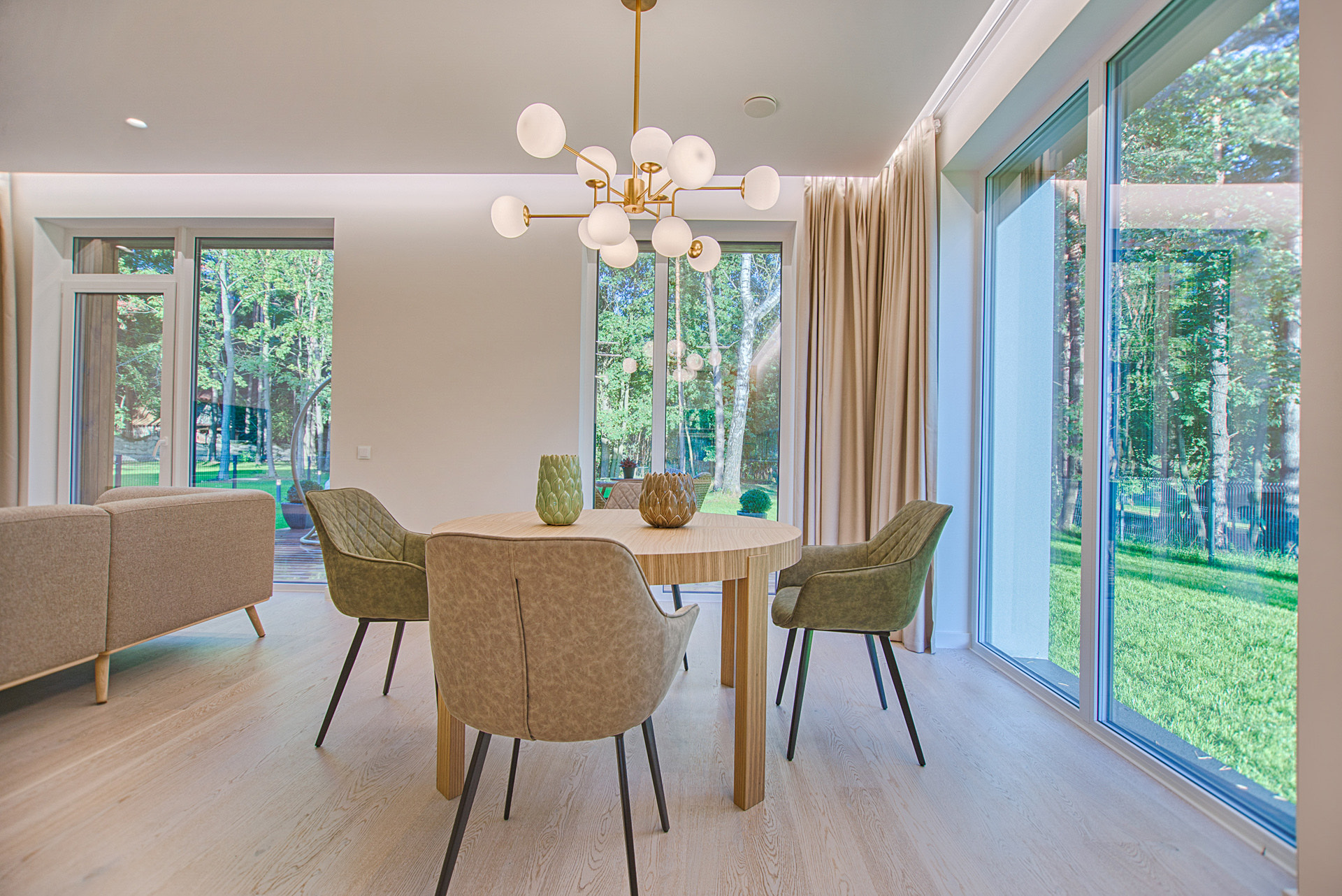
A home near a busy road, school run route or railway line can look exactly as you want it to, yet still feel harder to relax in. So, does triple glazing reduce noise? It can make a meaningful difference, but the number of panes alone does not guarantee the quietest result. The glass specification, window frame, seals and quality of installation all matter.
For many homeowners, triple glazing is chosen first for warmth and energy efficiency. Its acoustic benefits are real too, particularly when it is specified as part of a well-designed window system rather than simply selected because it has three panes.
Does triple glazing reduce noise more than double glazing?
In broad terms, triple glazing can reduce outside noise because it adds another layer of glass and another sealed cavity between your room and the outdoors. That extra construction helps to limit the amount of sound energy passing through the window.
However, a standard triple-glazed unit will not automatically outperform every double-glazed unit. Sound behaves differently from heat. A carefully specified acoustic double-glazed window, for example, can sometimes provide better noise reduction than a basic triple-glazed unit.
The key is variation. When panes of glass are the same thickness and spaced in the same way, certain sound frequencies can travel through more readily. Using different glass thicknesses, a suitable cavity and, where required, laminated acoustic glass helps disrupt those frequencies more effectively.
This is why the right question is not simply, “Should I choose double or triple glazing?” It is, “What noise do I need to reduce, and which window specification is right for my home?”
What makes a window effective at reducing noise?
A quiet window is a complete system. Premium glass is valuable, but it can only perform as intended when every other element supports it.
Glass thickness and acoustic laminate
Thicker glass generally performs better against sound than thinner glass, especially where road traffic, conversations or passing vehicles are the main concern. Combining panes of different thicknesses is often more effective than using three identical panes.
Laminated glass can improve acoustic performance further. It contains an interlayer that helps dampen vibration as sound hits the glass. This can be a worthwhile option for homes close to major roads, busy junctions or other persistent sources of external noise. It also adds a useful layer of security, making it a practical consideration for ground-floor windows and doors.
The gap between the panes
The sealed space between glass panes contributes to insulation and acoustic performance. A larger, well-designed cavity can help reduce noise transfer, although bigger is not always better. The unit needs to be engineered correctly for the glass combination and window style.
Triple-glazed units contain two cavities, which is one reason they can provide a noticeable improvement over older single glazing or poorly performing double glazing. Yet the exact gap size, gas fill and overall unit construction should be considered together, not as isolated features.
Frames, opening sections and seals
Sound will find the weakest route into a room. Even excellent glazing can disappoint if the frame is poorly sealed, an opening sash does not close tightly or there are gaps around the perimeter of the installation.
High-quality uPVC and aluminium window systems can both offer strong acoustic performance when properly specified and fitted. The most suitable choice often comes down to the property’s design, the size of the opening and your preferences for sightlines, colour and maintenance. A well-made frame with reliable gaskets and secure locking points helps create the tight seal needed to keep noise outside.
This also explains why old windows can feel noisy even if their glass is not visibly damaged. Worn seals, distorted frames and draughty junctions allow air movement, and where air can pass, sound can usually follow.
Which noises can triple glazing help with?
Triple glazing is particularly helpful for everyday airborne noise. This includes passing cars, tyre noise on wet roads, voices, barking dogs and general neighbourhood activity. The improvement is often most noticeable in bedrooms, home offices and living spaces where a calmer atmosphere makes a real difference.
Low-frequency noise is more difficult to control. The deep rumble from heavy lorries, aircraft or some industrial activity can travel through walls, floors and roofs as well as windows. Triple glazing may reduce part of that disturbance, but it cannot eliminate it on its own.
The same applies to noise coming through trickle vents, chimneys, suspended floors or uninsulated external walls. If you are planning a wider renovation, it is worth considering how all parts of the building envelope work together. Replacing windows is still an excellent starting point, but it should not be presented as a cure for every sound issue.
When is triple glazing the right choice?
Triple glazing is often a strong investment when you want to improve thermal comfort and reduce external noise at the same time. It suits modern extensions, renovated family homes and properties where colder rooms, condensation or traffic noise have become regular frustrations.
It can be especially attractive in large glazed areas, such as bifold doors, sliding doors and picture windows, where the glass occupies a significant proportion of the wall. In these spaces, the right glazing specification helps protect comfort without compromising the natural light and open views that made the design appealing in the first place.
There are trade-offs to consider. Triple-glazed units are heavier than double glazing, so the chosen frame and hardware must be designed to support them. They may also cost more upfront. For a quiet cul-de-sac with no major noise source, a high-performance double-glazed unit may represent better value. For a home on a busier route, the combined benefits of warmth, reduced noise and improved comfort can make triple glazing the more sensible long-term choice.
Why professional installation matters as much as the glass
The best unit on paper cannot compensate for careless fitting. Windows must be measured accurately, installed squarely and sealed appropriately at every junction. Poor installation can leave small gaps that create draughts, admit moisture and undermine acoustic performance.
A professional survey should look beyond the opening size. It should consider the property’s construction, exposure to prevailing weather, the existing condition of the frames and where the noise is most intrusive. For period properties, there may also be visual considerations, such as retaining traditional proportions with sliding sash or flush casement designs while achieving a substantial performance upgrade.
At Kingdom Architectural Glazing Systems, this consultative approach helps homeowners choose glazing that suits both the architecture of the property and the way they live in it. The aim is not to overspecify a window, but to recommend a durable, well-fitted solution that delivers clear everyday benefits.
A practical way to choose quieter windows
Before requesting quotations, spend a few days noticing when and where noise is most disruptive. Is it early-morning traffic in the front bedroom, evening activity in the garden-facing lounge, or road noise through a large set of doors? This information gives your glazing specialist a far clearer brief than simply asking for the quietest available window.
Ask about the full specification, including glass thicknesses, whether acoustic laminated glass is appropriate, frame design and the sealing approach. It is also sensible to compare like for like. A quotation for triple glazing should identify what is actually within the unit, rather than relying on the label alone.
A quieter home is rarely created by one feature in isolation. With the right glass, carefully chosen frames and expert fitting, triple glazing can turn a room that feels exposed to the outside world into one that is warmer, calmer and far more enjoyable to use.
Recent News
8 September 2026
Conservatory Roof vs Tiled Roof – Which Is Best?
4 September 2026
French Doors vs Patio Doors: Which Is Better?
2 September 2026
How to Reduce Window Draughts in Your Home
29 August 2026
Secure Back Door Options for a Safer Home