
A new window can look exceptional in a showroom, but its performance is decided at the point of installation. The right FENSA approved window installer gives homeowners confidence that replacement windows and doors have been fitted to meet the relevant Building Regulations, with the paperwork to prove it. For a home improvement that affects warmth, security, appearance and future resale, that reassurance matters.
What does FENSA approval mean?
FENSA is a government-authorised Competent Person Scheme for replacement windows and doors in England and Wales. It allows registered installers to self-certify that qualifying work complies with the relevant Building Regulations, rather than requiring the homeowner to arrange a separate inspection through local authority Building Control.
Following a compliant installation, the homeowner should receive a FENSA certificate. This confirms that the work has been registered and is an important document to retain with guarantees, invoices and product information. It may be requested when selling a property, as it provides evidence that replacement glazing was installed in accordance with the required standards.
The scheme is particularly relevant to replacement windows, roof windows and external doors with a high proportion of glazing. It covers areas such as energy efficiency, ventilation, safety glazing, means of escape where applicable and the correct installation of the products. The precise requirements vary according to the property and the work being carried out.
FENSA approval is a meaningful trust signal, but it should not be the only measure used when choosing an installer. It confirms registration and a route to compliance. The quality of the survey, product specification, workmanship, communication and aftercare still makes a substantial difference to the finished result.
Why a FENSA approved window installer matters
Windows are not simply fitted into an opening. They need to be accurately measured, securely fixed, properly sealed and finished so they operate as intended for years to come. Small errors can lead to draughts, difficult operation, water ingress, unnecessary heat loss or untidy internal and external finishes.
A professional installer begins with a detailed survey. This is where practical questions are resolved before the order is placed: the condition of the existing frames, lintels and reveals; the need for safety glass; suitable opening configurations; ventilation requirements; and the style that will best suit the architecture of the home.
For homeowners, using a registered installer also makes the administrative side more straightforward. Once the work is complete and registered, the FENSA certificate is issued for the property. That is preferable to discovering during a future sale that key compliance evidence is missing.
It is worth separating compliance from planning permission. FENSA certification does not remove the need to consider planning restrictions. Listed buildings, homes in conservation areas and properties with Article 4 directions may require consent before windows or doors are changed. An experienced glazing specialist will raise these considerations early, particularly where traditional sightlines, materials or colours are important.
The checks to make before you accept a quotation
A good quotation should feel considered rather than generic. It should set out what is included, identify the products being proposed and give a clear picture of the installation process. Price will always be a factor, but a significantly lower figure can reflect compromises that are not obvious until after fitting.
Check registration and insurance
Ask the company to confirm its current FENSA registration and verify it independently if required. Also ask about public liability insurance, workmanship guarantees and product warranties. These protections are not identical, so it is useful to understand who is responsible if an issue arises with the frame, glass, hardware or installation.
A clear installer will explain the cover in plain language, including its duration and whether any action is required from you after completion. Keep every document in a safe place once the project is complete.
Look beyond the frame material
uPVC and aluminium can both deliver excellent results when specified and installed correctly. The right choice depends on the character of the property, the desired frame profile, budget, window sizes and how much maintenance you want over the long term.
For example, flush casement windows can bring a refined, traditional appearance to period-inspired homes while offering modern thermal performance. Aluminium windows often suit contemporary extensions and large glazed elevations, where slim sightlines and structural strength are priorities. Sliding sash windows may be the right answer where heritage character is central to the brief.
Ask to see the proposed configuration, glazing specification, handles, colours and any optional upgrades. The overall look depends on these decisions as much as the frame itself. A carefully designed window should enhance the property from both the street and inside the room.
Discuss energy efficiency in practical terms
Energy performance is about more than a headline rating. Glass specification, frame construction, installation quality and the condition of the surrounding opening all influence comfort. Well-chosen replacement windows can reduce cold spots and draughts, helping rooms feel more usable throughout the year.
However, there are trade-offs. Very large areas of glazing can bring beautiful daylight and garden views, yet they need considered orientation, glass specification and shading to manage solar gain. In bedrooms and busy locations, acoustic performance may be as valuable as thermal performance. The best solution responds to how the room is actually used.
Ask who will carry out the work
The person who prepares the quote may not always be the person fitting the windows. Ask whether installation is completed by the company’s own experienced team or by subcontractors, how the work will be supervised and who your point of contact will be during the project.
A reliable installation team will protect the work area, remove old frames carefully, keep disruption to a sensible minimum and leave the property tidy. They should also demonstrate the operation of the new windows and doors before they leave, so you understand locking, hinges, ventilation positions and basic care.
What happens after installation?
Once the installation is complete, inspect the work with the installer before final sign-off. Open and close each window, check that handles and locks operate smoothly, and look at the internal and external finishes in good daylight. Any concerns are easier to resolve when raised promptly and clearly.
You should receive information relating to the product and installation guarantee, together with your FENSA certificate once registration has been processed. Store these documents securely. They are useful for future maintenance, insurance queries and any eventual property sale.
Windows are designed to be durable, but a little regular care protects their appearance and operation. Clean frames and glass with suitable non-abrasive products, keep drainage channels clear, and avoid forcing stiff handles or hinges. If something does not feel right, contact the installer rather than attempting an adjustment that could affect the warranty.
Choosing quality for the long term
The right installer should make a significant home improvement feel well managed from the first conversation onwards. They will listen to the style you want to achieve, explain the practical options without pressure and recommend products that suit the property rather than a one-size-fits-all solution.
At Kingdom Architectural Glazing Systems, this approach combines design-led glazing with experienced installation, helping homeowners choose solutions that are attractive, secure and built for everyday living. From classic replacement windows to contemporary aluminium systems, the standard of fitting remains just as important as the product selected.
Before committing, take time to compare like-for-like quotations, ask direct questions and assess the detail behind the promise. A FENSA certificate is valuable evidence of compliant work, while thoughtful specification and skilled workmanship are what allow new windows to add lasting comfort, character and value to your home.
Recent News
8 September 2026
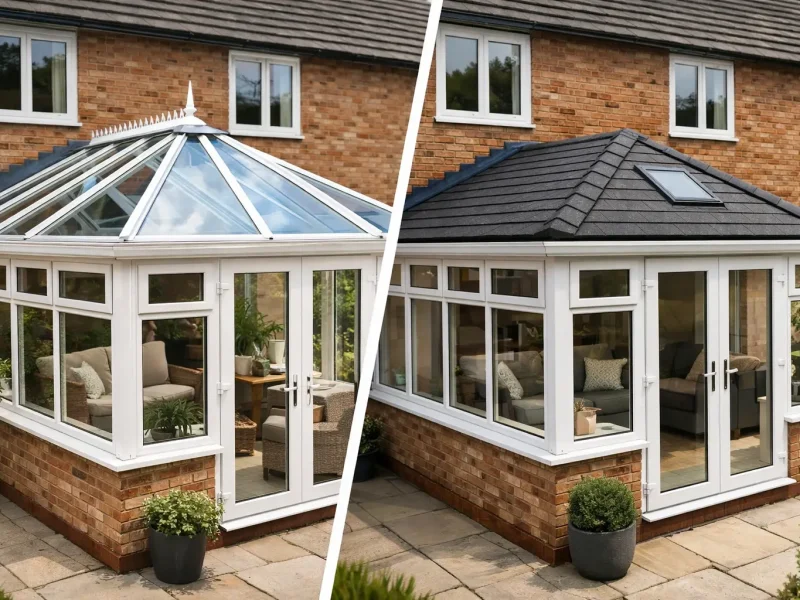
Conservatory Roof vs Tiled Roof – Which Is Best?
4 September 2026
French Doors vs Patio Doors: Which Is Better?
2 September 2026
How to Reduce Window Draughts in Your Home
31 August 2026
Does Triple Glazing Reduce Noise at Home?