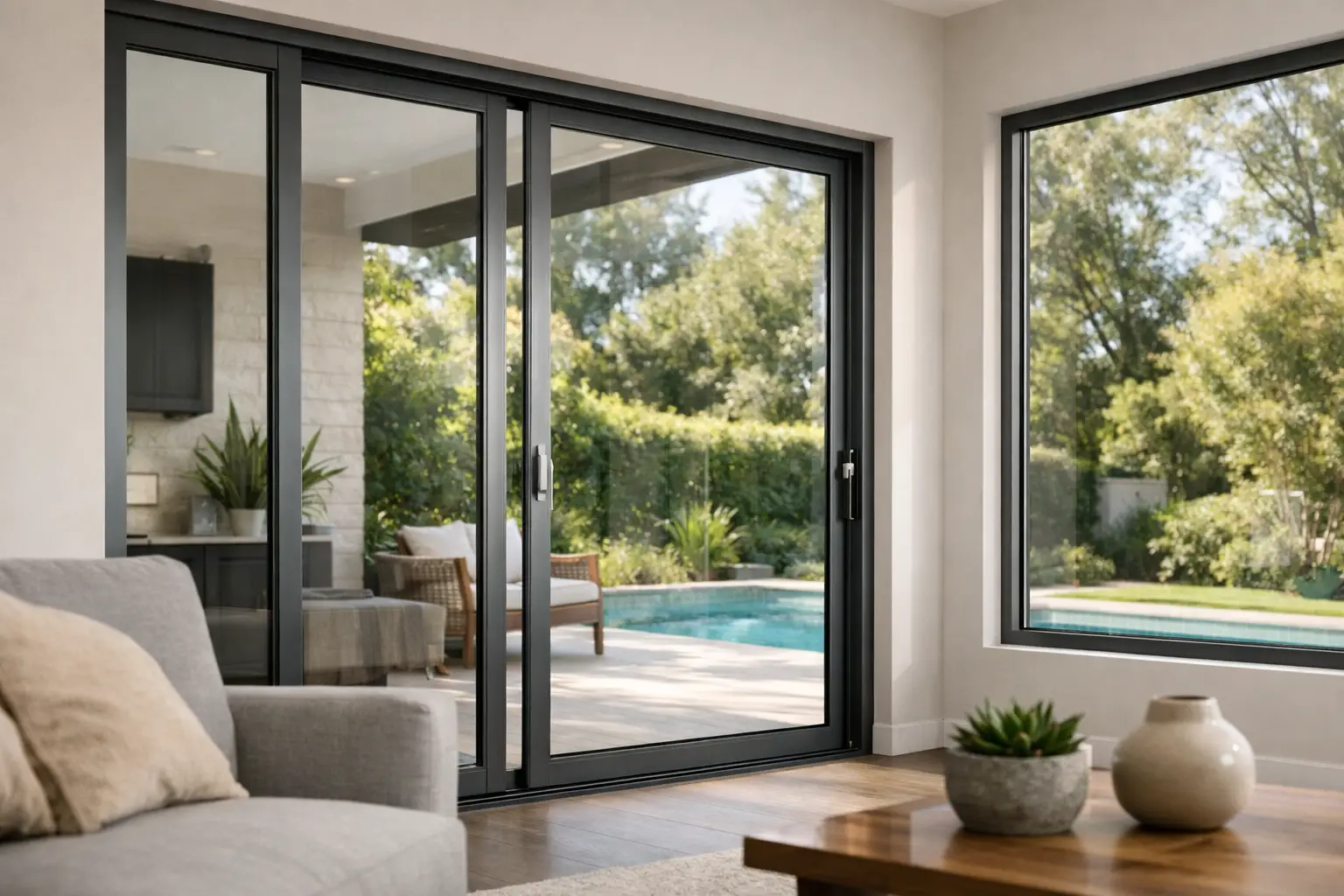
A narrow aluminium frame can change the entire feel of a room. More glass, cleaner sightlines and a sharper architectural finish are compelling reasons to consider it – particularly when you are planning an extension, replacing dated windows or improving a property with generous views. But are aluminium windows worth it when they cost more than many uPVC alternatives?
For many homeowners, the answer is yes, provided the system and installation are right for the property. Aluminium is a premium choice because it combines long service life, strong security and refined design potential. It is not automatically the best answer for every home, budget or conservation setting, however. The value lies in choosing it for the right reasons, rather than simply choosing the most expensive option.
Are aluminium windows worth it for performance?
Modern aluminium windows are engineered very differently from the single-glazed metal frames many people remember from older properties. Quality systems use a thermal break – an insulating barrier within the frame that reduces the transfer of heat between inside and out. Combined with high-performance double or triple glazing, this helps create a warmer, more comfortable home.
The finished energy performance depends on the whole window, not the frame material alone. Glass specification, spacer bars, seals, opening configuration and the quality of fitting all contribute to the final result. A well-specified aluminium window can achieve excellent thermal performance, but it should be compared using its complete window rating and U-value rather than a headline claim about the frame.
Aluminium is also exceptionally strong for its weight. That strength allows slimmer frame profiles than are typically possible with uPVC, while still accommodating larger panes of glass. In a kitchen extension, garden room or contemporary renovation, this can mean brighter interiors and clearer views of the garden. On upper floors or in exposed locations, it also provides reassuring rigidity and resistance to movement.
Security is another meaningful benefit. Premium aluminium systems are designed with multi-point locking, durable hardware and tightly engineered frames. Of course, security is only as good as the specification and installation. The right glazing, locks and professional fitting matter as much as the material itself.
The case for aluminium: longevity and lower maintenance
Aluminium does not rot, swell or warp in changing weather. It is not affected by the moisture in the way timber can be, and it does not have the same expansion characteristics as uPVC in strong heat. For homeowners who want windows that retain their shape and finish over many years, that stability is a major part of the investment.
Most powder-coated aluminium frames need little more than occasional cleaning with mild soapy water and a soft cloth. Moving parts should be checked and maintained in line with the manufacturer’s guidance, but there is no regular painting or staining cycle to plan for. This makes aluminium particularly appealing for hard-to-reach windows, large glazed elevations and busy family homes.
Colour choice is another advantage. Anthracite grey, black and heritage-inspired shades remain popular, but aluminium can be specified in a broad range of durable colours. Dual-colour frames can also suit projects where a darker external finish complements brickwork or cladding while a lighter internal colour keeps rooms feeling open.
It is worth remembering that a long-lasting frame has environmental value too. Aluminium is widely recyclable, and a window that performs well for decades may avoid the disruption and material use of earlier replacement. The most sustainable choice is still one that is correctly measured, specified and installed to last.
Where the extra cost goes
Aluminium windows usually cost more upfront than standard uPVC windows. The exact difference varies according to size, glazing, opening style, colour, hardware, access and whether existing structural work is required. Large fixed panes, corner windows, shaped frames and bespoke configurations will naturally move the price higher.
That premium pays for material strength, engineered profile design, durable finishes and the ability to create larger glazed areas with slimmer frames. On a high-value renovation, it can also better match the quality of aluminium bifold doors or slimline sliding doors, giving the property a consistent appearance rather than mixing noticeably different frame styles.
The question is less about whether aluminium is the cheapest route and more about where it creates visible, lasting value. Replacing a modest rear bedroom window with aluminium may not always justify the additional spend. Specifying it across a contemporary extension, a glazed gable or the principal elevations of a self-build can make much more sense. Those are the places where slim sightlines and larger glass areas are most noticeable every day.
Property value should be viewed realistically. New windows can improve kerb appeal, comfort and buyer confidence, but no installer should promise a fixed increase in sale price. Aluminium is often perceived as a premium feature, especially on well-designed modern homes. Its strongest return is usually the quality of the living space it helps create while you are still enjoying the property.
When uPVC or timber may be the better choice
Aluminium is not a universal replacement for other materials. A high-quality uPVC window can offer very good energy efficiency, security and low maintenance at a lower initial cost. For a whole-house replacement where budget is the main priority, it may offer the better balance of performance and affordability.
Timber remains difficult to beat for authentic period character. In a listed building, a conservation area or a traditional cottage, planning requirements and architectural detail may favour timber, or a carefully selected flush casement alternative. Aluminium can work beautifully on older homes when the design is sympathetic, but ultra-slim contemporary frames are not always the right visual fit.
There are also practical considerations. Dark frame colours absorb more heat in direct sunlight, so quality fabrication and suitable installation tolerances are essential. Aluminium frames are strong, but they are not maintenance-free in an absolute sense: drainage channels, hinges, handles and seals still benefit from periodic attention. Choosing a respected system and an experienced installer is what protects the investment.
How to compare aluminium window quotations properly
A like-for-like comparison is essential. Two aluminium quotations can look similar at first glance while offering very different performance, glass and finishing details. Ask what is included in the overall window specification, especially the glazing, thermal performance, locking, trickle ventilation where required, handles, cills and internal or external finishing.
You should also establish whether the quoted price covers removal and disposal of existing windows, making good around reveals, scaffolding where needed and any structural alterations. A lower initial figure can become less attractive if these elements are excluded or left unclear.
For homeowners in Nottinghamshire and the surrounding counties, local experience matters as well. An installer who understands the mix of Victorian homes, newer developments and rural properties across the East Midlands can advise on proportions, planning considerations and product choices that suit the building rather than following a one-size-fits-all approach. At Kingdom Architectural Glazing Systems, that consultative approach starts with how you want the space to look and perform, then works back to the most appropriate glazing solution.
Choosing the right specification for your home
Start with the view from inside. If your priority is bringing more light into an extension, ask to see frame sections and sightlines alongside the proposed glass size. A small difference in profile width is more noticeable across a wide opening than on a compact bathroom window.
Next, consider orientation and comfort. South- and west-facing elevations may benefit from glazing selected to manage solar gain, while north-facing rooms may place greater emphasis on heat retention. Privacy, ventilation and cleaning access should also inform the opening style. A beautiful fixed pane is not always practical if the room needs regular airflow or the exterior glass cannot be reached safely.
Finally, look at the whole elevation. Window proportions, door frames, rooflights and external finishes should feel considered together. Aluminium is at its best when it supports the architecture instead of competing with it.
The right window should make the house feel brighter, quieter and more secure without demanding attention for the wrong reasons. If slim frames, long-term durability and a premium finish matter to your project, aluminium is often a worthwhile investment. The most useful next step is to compare a properly specified aluminium option against a quality alternative in the same opening, then decide which improvement you will value every time you look through it.
Recent News
8 October 2026
French Doors for Brighter Garden Living Spaces
6 October 2026
How to Choose Aluminium Bifold Doors That Last
4 October 2026
Heritage Style Aluminium Windows for Period Homes
2 October 2026
Choosing the Best Windows for Period Homes