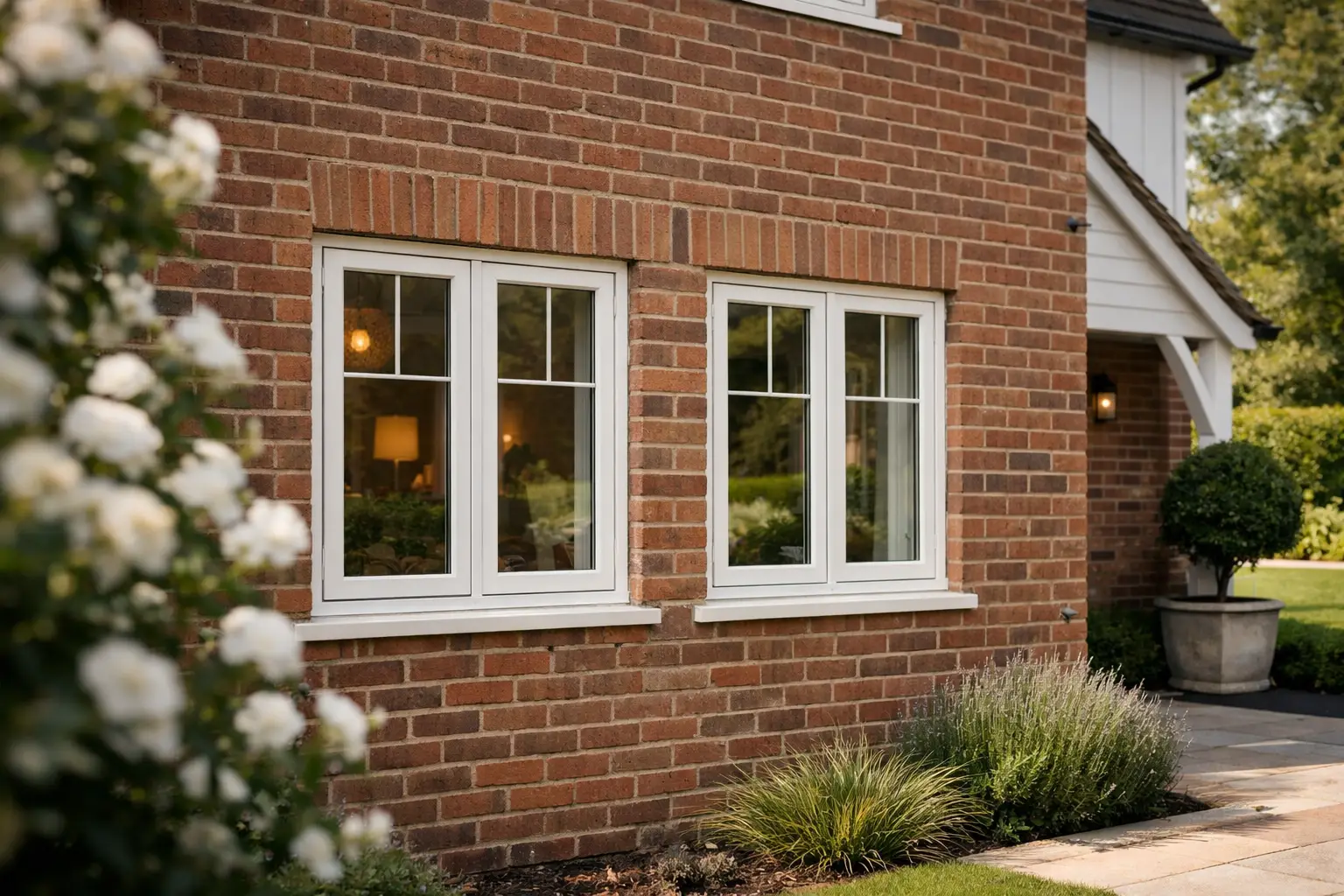
A window that sits proud of its frame can subtly change the character of a period property. Flush casement windows do the opposite: when closed, the sash sits level within the frame, creating the clean, finely detailed appearance associated with traditional timber joinery. For homeowners who want authentic charm without sacrificing modern comfort, they offer a particularly convincing balance.
Whether you are restoring a Victorian terrace, updating a cottage or adding considered detail to a newer home, the right windows should work hard beyond their appearance. They need to retain warmth, protect your property and continue looking smart through years of changing weather. That is where a well-specified flush design and professional installation make a real difference.
What are flush casement windows?
A casement window is a hinged window that opens outwards, usually from the side. With a flush design, the opening sash closes into the outer frame so both surfaces sit on the same plane. The result is neater and less projecting than a conventional stormproof casement window.
This detail may sound small, but it has a significant visual effect. Flush frames have the proportions and understated lines that suit older homes, especially when paired with a heritage colour, traditional-style hardware and carefully selected glazing bars. They are equally at home on contemporary projects where crisp, minimal sightlines are the priority.
Modern flush windows are commonly made in high-performing uPVC, with aluminium options available for projects that call for a different finish or larger-scale architectural glazing. The best choice depends on the building, budget, desired colour and the level of maintenance you are happy to undertake.
Why homeowners choose flush casement windows
The principal attraction is character. Many homeowners love the look of painted timber windows but are understandably concerned about regular sanding, repainting and the possibility of swelling or warping. Quality uPVC flush frames recreate much of that period appeal while offering a practical, low-maintenance alternative.
They can also make a substantial difference to kerb appeal. Windows occupy a large part of a front elevation, and dated frames or mismatched replacements can distract from an otherwise well-kept property. A sympathetic flush design can bring consistency to the façade and help renovations feel properly finished rather than pieced together.
Performance matters just as much as appearance. Modern double glazing, insulated profiles and correctly sealed installations help reduce heat loss and draughts. This can make rooms more comfortable in colder months and support lower heating demand, although the improvement you notice will depend on the condition of the existing windows, wall insulation and the wider fabric of the property.
Security should never be an afterthought. High-quality flush casements can include multi-point locking, secure hinges and internally glazed units to provide dependable protection without compromising the traditional look. Hardware is available in a range of finishes, allowing the security components to complement the design rather than dominate it.
Designing windows that suit your home
The most successful replacement windows do not simply copy a style from a brochure. They respond to the age, proportions and materials of the property. On a cottage or Georgian-inspired home, slim glazing bars, monkey-tail handles and a soft heritage shade can create a convincing traditional finish. On a newer extension, larger panes and contemporary handles can keep the appearance clean and restrained.
Colour is one of the most important decisions. White remains a practical choice for many homes, but anthracite grey, black, olive green and softer shades can add definition to brickwork, render or stone. Some frames are available with different colours inside and out, so you can retain a lighter internal finish while making a stronger architectural statement externally.
Woodgrain-effect finishes are worth considering where the aim is to echo timber. They can provide texture and depth that plain coloured frames do not always achieve. However, a woodgrain finish is not automatically the right answer for every period property. A simple smooth finish in an appropriate colour can look more considered on certain elevations.
Glazing bars also need careful thought. Applied bars can give the impression of individual panes while retaining the thermal and acoustic benefits of a modern sealed unit. Their spacing should relate to the size of the opening. Too many bars can make a window look busy, while too few can lose the period reference altogether.
A note on conservation areas and planning
If your home is listed, in a conservation area or subject to an Article 4 Direction, replacement window choices may be restricted. Planning requirements can cover frame material, opening style, glazing-bar layout and colour. It is sensible to check before placing an order, particularly where the existing windows make a clear contribution to the property’s historic character.
Even where formal consent is not required, a well-matched design protects the value and appearance of an older home. An experienced glazing specialist can help you assess the options before committing to a specification.
uPVC or aluminium: which is right for you?
For many traditional homes, uPVC flush casements are the natural starting point. They offer excellent thermal performance, broad colour options and very limited maintenance. They are also often the more cost-effective route when replacing multiple windows across a property.
Aluminium offers a different set of strengths. Its inherent rigidity supports slim profiles and can suit contemporary architecture, larger window configurations and homes where a refined metal finish is part of the wider design scheme. It is durable and low maintenance, but typically represents a higher initial investment.
Neither material is universally better. A country property undergoing a sensitive renovation may benefit most from a detailed uPVC flush system with authentic hardware. A modern self-build with expansive glazing and dark external finishes may call for aluminium. Looking at the windows alongside doors, rooflines and other glazed features usually leads to the right decision.
Installation is as important as the window itself
A premium frame cannot perform as intended if it is measured inaccurately or fitted poorly. Gaps around the reveal, inadequate sealing and poorly finished internal trims can lead to draughts, water ingress or an untidy result. These are avoidable issues, but they underline why installation quality deserves equal attention.
Before work begins, each opening should be surveyed carefully. A professional survey considers more than height and width: it checks the condition of surrounding brickwork, existing lintels, internal finishes, drainage paths and practical access. This allows potential complications to be identified before installation day.
During fitting, the old frames should be removed with care, the new windows set square and secure, and perimeter seals completed properly. Good installers also take pride in the finishing details, from neat silicone lines to trims that sit naturally against the wall. FENSA-registered installation provides further reassurance that replacement work meets the relevant building regulations requirements.
At Kingdom Architectural Glazing Systems, the conversation starts with how you want your home to look and feel, then moves into the details that make that result last. That includes the frame style, glazing, furniture, colour and the practicalities of fitting each opening properly.
Keeping flush windows looking their best
One of the key advantages of modern flush windows is straightforward maintenance. Wipe the frames periodically with warm water and a mild, non-abrasive detergent, then clean the glass with a suitable product. Avoid harsh solvents, scouring pads and abrasive cleaners, which can damage frame surfaces and hardware finishes.
Check hinges, handles and drainage channels from time to time, especially after autumn leaf fall. Keeping drainage paths clear helps rainwater move away as designed. Moving parts may occasionally need light lubrication, following the manufacturer’s guidance.
It is also worth acting promptly if you notice condensation between panes, difficulty locking a sash or visible deterioration in seals. Small concerns are generally easier to resolve early than after they have affected the window’s wider performance.
Flush casement windows are not simply a period-style feature. Chosen with care, they are a long-term improvement that can give a home greater warmth, security and visual coherence. The most rewarding results come from treating them as part of the architecture of your home, not just another replacement purchase.
Recent News
8 October 2026
French Doors for Brighter Garden Living Spaces
6 October 2026
How to Choose Aluminium Bifold Doors That Last
4 October 2026
Heritage Style Aluminium Windows for Period Homes
2 October 2026
Choosing the Best Windows for Period Homes