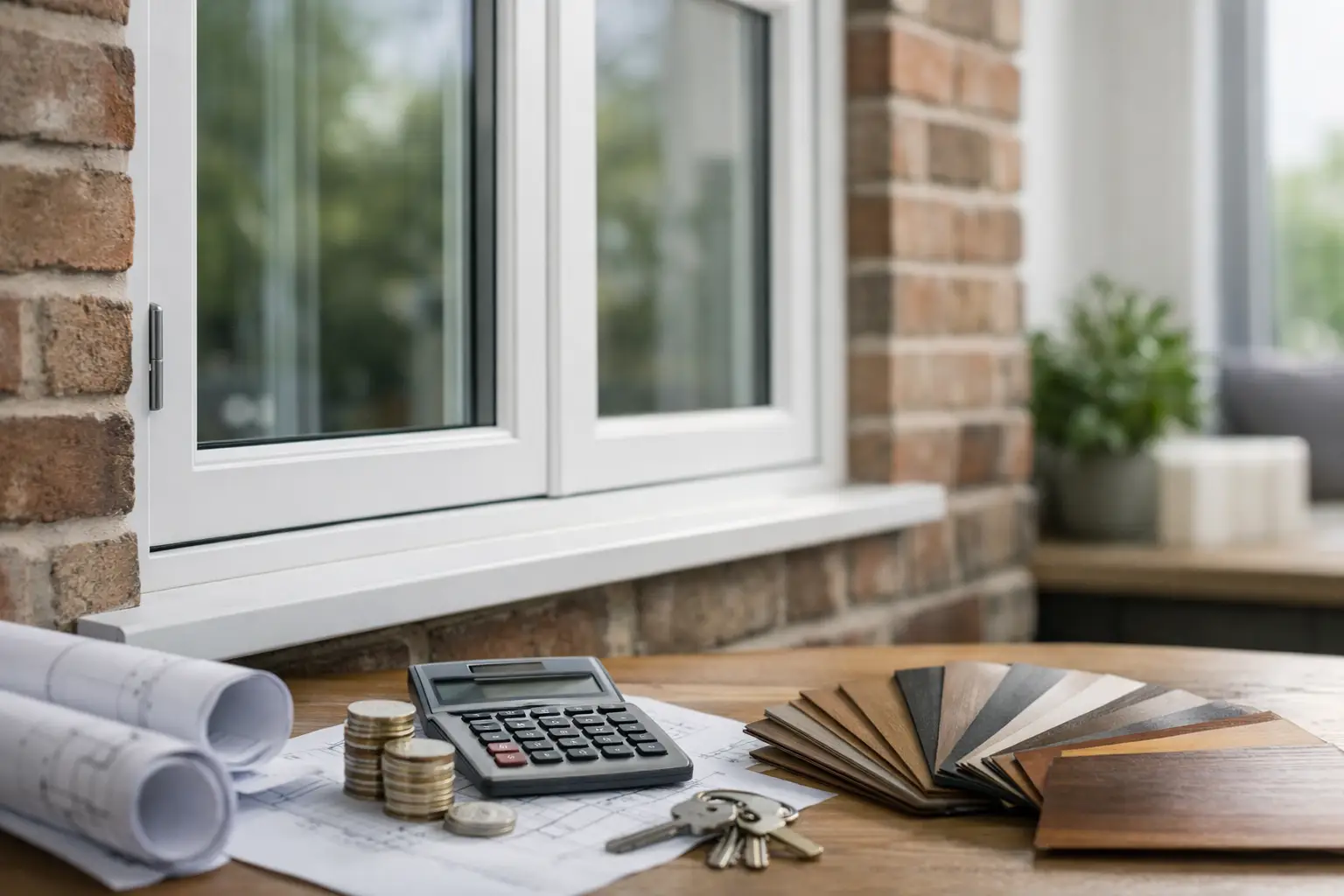
A flush sash window can transform the character of a property without asking you to accept the draughts, maintenance and weaker security of older joinery. The question homeowners understandably ask early on is: what does flush sash windows cost? The honest answer is that prices vary significantly, because these are design-led windows made to suit your openings, chosen finish and required performance.
For a typical UK home, installed flush sash windows often start from around £700 to £1,200 per window in premium uPVC. Aluminium and timber options usually cost more. However, a like-for-like price comparison only works when the specification, survey requirements and installation standard are the same. The lowest figure on a quote is not always the lowest-cost decision over the life of your windows.
Typical flush sash windows cost in the UK
Flush sash windows are available in uPVC, aluminium and timber, with each material bringing a different balance of appearance, maintenance and price. As a broad guide, a standard-size premium uPVC flush sash window may cost £700 to £1,200 supplied and fitted. Larger openings, shaped frames, bay windows and heritage detailing can take the price above this range.
Aluminium flush casement windows commonly begin at around £900 to £1,600 per standard opening, depending on profile, colour, glass specification and hardware. They are particularly suited to contemporary homes, extensions and projects where slimmer sightlines are important.
Timber flush sash windows are generally the highest initial investment. Prices can begin at approximately £1,200 and rise beyond £2,000 per window for bespoke designs, specialist finishes or conservation-sensitive work. Their authentic appearance is difficult to match, but they need a more considered maintenance plan than uPVC or aluminium.
These figures are useful for early budgeting rather than a final commitment. A professional survey is the only reliable way to price windows accurately, particularly in older Nottinghamshire properties where openings are rarely perfectly uniform.
Why flush sash windows can cost more than standard casements
The difference is visible in the finished result. On a flush sash design, the opening sash sits level with the outer frame rather than protruding beyond it. This creates a cleaner, more traditional profile that works beautifully on period cottages, Victorian homes and modern properties seeking a refined architectural detail.
Achieving that appearance requires carefully engineered profiles, precise fabrication and hardware designed to perform within a slimmer visual arrangement. Quality flush sash systems can also include realistic timber-effect finishes, deep bottom rails, mechanical joints and heritage-style handles. These details add to the appeal, but they also affect the price.
There is a practical benefit behind the styling, too. Well-specified modern flush sash windows can provide strong thermal efficiency, dependable weather resistance and multi-point locking. They are not simply a cosmetic alternative to conventional casement windows.
The main factors affecting the final price
Frame material and finish
Material is one of the largest cost variables. Premium uPVC is often the most accessible route to the flush sash look, with excellent insulation and minimal upkeep. Modern coloured and woodgrain foils can give uPVC a convincing heritage feel, although they usually cost more than a standard white frame.
Aluminium offers strength, durability and crisp, slim profiles. It is often chosen for architectural extensions and contemporary renovations, especially where larger glazed areas are planned. Timber offers natural warmth and traditional authenticity, making it a strong option for character properties, but it generally carries a higher upfront and maintenance cost.
Colour choice matters across every material. Popular shades such as anthracite grey, black, heritage green and timber-effect finishes can increase the price, particularly where colours are required on both sides of the frame.
Window size, shape and opening style
A small fixed window will not cost the same as a large opening casement, even when both use the same frame system. Larger windows require more material, heavier glass and sometimes upgraded hinges or structural considerations.
Arched heads, angled frames, bay configurations and unusual opening arrangements are also more complex to manufacture and fit. These features can be worthwhile where they preserve a property’s original proportions or complete a considered renovation, but they should be allowed for in the budget from the outset.
Glazing and energy performance
Double glazing is standard for most replacement window projects, but glass specifications can vary. Low-emissivity glass, warm-edge spacer bars and gas-filled units help reduce heat loss, while acoustic glass can make a noticeable difference for homes near busy roads.
Triple glazing may improve thermal performance in the right property, but it is not automatically the best choice for every opening. It adds weight and cost, and the overall benefit depends on the frame, installation quality and the rest of the building fabric. A good installer will discuss whether it is a sensible investment rather than treating it as a universal upgrade.
Obscure glass for bathrooms, decorative glazing, Georgian bars and leaded designs will also affect the price. These choices can add real character, particularly on traditional elevations, so the decision should be based on the look you want to live with rather than a short-term saving.
Hardware, security and finishing details
Handles, stays, trickle vents and hinges may appear to be minor decisions, but they shape the final look and everyday experience of a window. Heritage monkey-tail handles, dummy stays and traditional butt hinges can reinforce a period style. Contemporary hardware in black, chrome or satin finishes may better complement a newer home.
Security should not be viewed as an optional extra. Look for strong locking systems, secure glazing arrangements and frames designed to meet appropriate security standards. The best specification balances kerb appeal with the reassurance that comes from a properly secured home.
Installation complexity
Fitting costs depend on more than the number of windows. Access, scaffold requirements, internal and external finishing, removal of existing frames, repairs to reveals and the condition of the surrounding brickwork all influence the labour involved.
Replacing windows in a straightforward modern house is usually more predictable than working on an older property with uneven openings, fragile render or original timber reveals. A detailed survey helps identify these considerations before installation begins, reducing the risk of unwelcome changes later.
What should be included in a proper quote?
A transparent quote should make it clear what is being supplied, fitted and finished. It should identify the frame material, colour, glass specification, hardware, opening configuration and any decorative features. It should also state whether removal and disposal of old windows, trims, making good and building regulation compliance are included.
For replacement windows in England and Wales, using a FENSA-registered installer can simplify compliance and provide the relevant certification after the work is complete. It is a valuable reassurance when selling a property in the future, as well as evidence that the installation has been carried out to required standards.
Be cautious when comparing a detailed proposal with a single headline price. A lower quote may exclude items that are essential to a neat, durable finish, such as internal trims, external sealing or disposal. Ask each supplier to explain the specification in plain language and compare the whole project, not just the cost per frame.
Are flush sash windows worth the investment?
For many homeowners, yes. Flush sash windows are a strong choice when you want the traditional elegance of timber-style joinery alongside the practical benefits of modern glazing. They can improve the appearance of the whole elevation, reduce heat loss from outdated windows and provide better security with far less routine maintenance than older frames.
Their value is especially clear on homes where standard casement windows would look too bulky or out of place. A carefully chosen flush sash design can respect a period property’s character, while a slim aluminium version can add a crisp, contemporary finish to an extension or self-build.
That said, the right option depends on the building, your priorities and your available budget. If authentic natural timber is central to the project, it may justify the additional cost. If you want a long-lasting, low-maintenance solution with a heritage appearance, premium uPVC may be the more practical fit.
Plan the specification before choosing the price
The most effective way to manage flush sash window costs is to decide what cannot be compromised: frame material, energy performance, security, colour or heritage detailing. From there, an experienced specialist can help you make sensible choices on glazing, hardware and finish without losing the look that drew you to flush sash windows in the first place.
At Kingdom Architectural Glazing Systems, every quotation begins with the property rather than a one-size-fits-all price. A careful survey and clear specification give you a more useful answer than an online estimate – and a finished installation that looks right, performs properly and continues to add value for years to come.
Recent News
8 October 2026
French Doors for Brighter Garden Living Spaces
6 October 2026
How to Choose Aluminium Bifold Doors That Last
4 October 2026
Heritage Style Aluminium Windows for Period Homes
2 October 2026
Choosing the Best Windows for Period Homes