A rear extension can look expensive on paper yet feel disconnected from the garden. Equally, a well-designed opening with high-quality doors can change how the whole ground floor is used. So, do bifold doors add value? In many homes, they can strengthen buyer appeal and support a higher sale price, but only when the doors suit the property, perform properly and are installed to a high standard.
Bifold doors are not a guaranteed shortcut to a valuation uplift. Property value is shaped by location, local demand, floor area, condition and the quality of the wider renovation. What they can do is make a home more attractive, more usable and easier for a prospective buyer to picture themselves living in. Those qualities matter, particularly in family homes, extensions and renovation projects across the East Midlands.
Do bifold doors add value in practice?
The clearest answer is that bifold doors can add perceived and market value when they improve the connection between house and garden without compromising comfort, security or appearance. Buyers often respond positively to bright, open-plan living areas and garden-facing spaces that feel generous rather than enclosed.
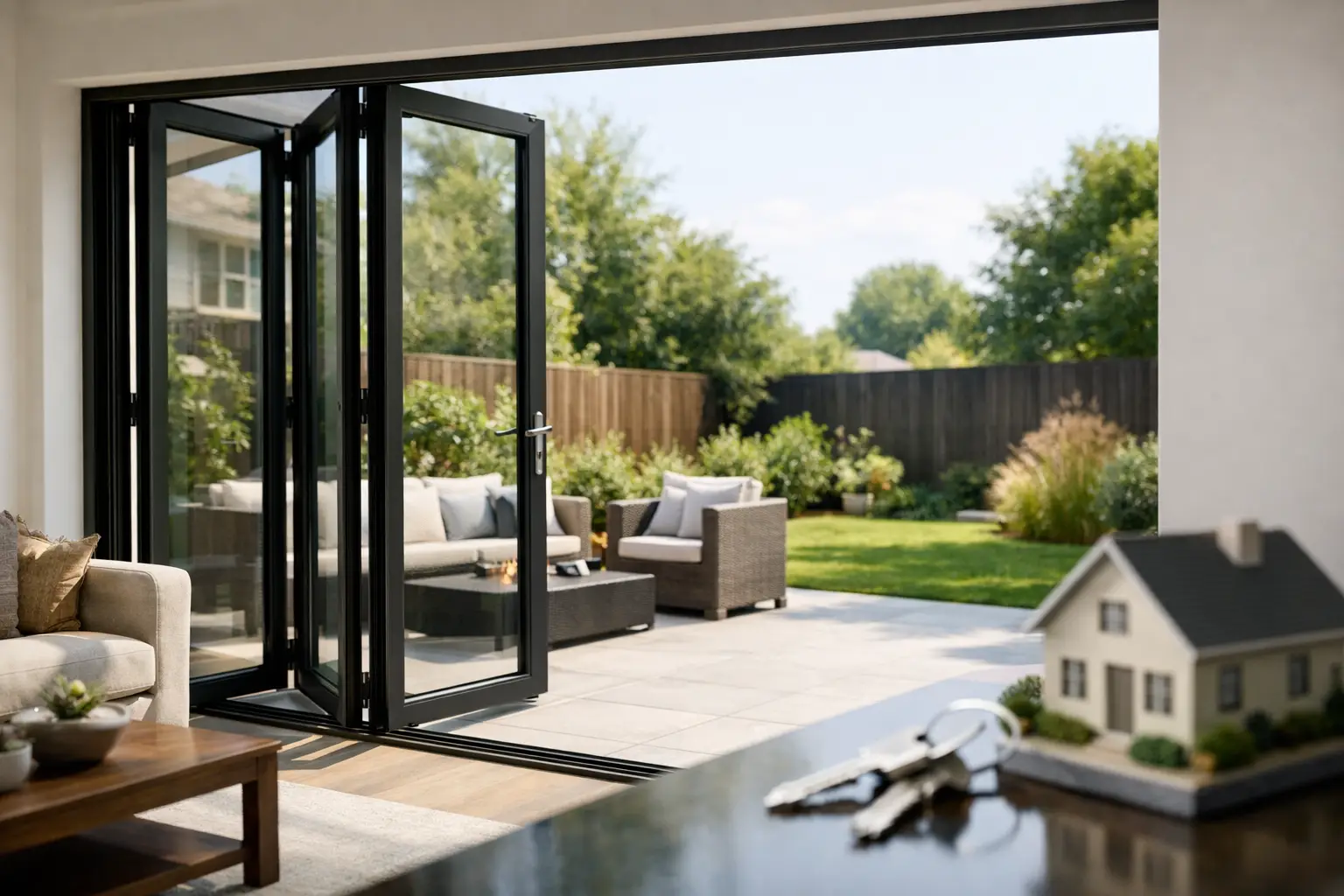
When folded back, bifold doors create a wide opening that conventional patio doors cannot match. This is particularly effective for kitchens, dining rooms and extensions where the garden becomes part of everyday living in warmer months. Even when closed, slim sightlines and large glazed panels bring in daylight and offer an uninterrupted view outdoors.
That lifestyle benefit is valuable because it is immediately visible. A buyer may not notice upgraded insulation behind a wall, but they will notice a well-proportioned room filled with natural light. The right doors help an extension feel like a considered part of the home rather than an add-on.
However, the word “right” is doing a great deal of work here. A poorly specified bifold system that feels draughty, is difficult to operate or clashes with the architecture can have the opposite effect. Quality, proportion and fitting are what turn a feature into an investment.
Why buyers respond to bifold doors
Bifold doors appeal because they answer several practical and aspirational needs at once. They can increase natural light, make entertaining easier and improve sightlines to children playing in the garden. For homes with compact kitchens or dining areas, opening an entire wall can also reduce the sense of being boxed in.
There is also a strong design consideration. Aluminium bifold doors offer crisp, contemporary frames in a wide choice of colours, while carefully selected configurations can work equally well on period renovations and traditional properties. A darker frame can create an architectural focal point; a softer neutral finish may blend more quietly with an established home.
Buyers are generally looking for spaces that feel finished and require less immediate work. A high-performing door installation, paired with a smart terrace, landscaped garden or considered extension, helps create that impression. It suggests that the homeowner has invested in the property with care.
The factors that determine whether they are worth it
The value of bifold doors is not based on the number of panels alone. Their contribution depends on how they work within the building and how well they stand up to daily use.
The quality of the door system
Premium aluminium systems are valued for their strength, durability and relatively slim frames. They allow larger glazed areas while retaining the rigidity needed for smooth operation. Good hardware, secure locking and reliable seals are essential, especially on doors that will be opened and closed frequently.
Energy performance matters too. Modern double or triple glazing, thermally broken aluminium profiles and professionally fitted seals help limit heat loss and reduce cold spots around the opening. Buyers are increasingly alert to running costs, so a stylish wall of glass should still feel comfortable in January.
Installation and finishing
A bifold door is only as good as its installation. The opening must be measured accurately, the structure properly supported and the threshold correctly detailed to manage weather exposure and access. Misalignment can lead to panels catching, gaps around the frame, water ingress or a door that does not close smoothly.
The finish around the doors also affects perceived value. Clean internal reveals, appropriate drainage, a well-integrated threshold and carefully matched flooring make the installation look intentional. If the internal floor level flows naturally towards the patio, the transition feels more generous and refined, even when the doors are shut.
Proportion and configuration
More glass is not always better. The best configuration depends on the width of the opening, where furniture will sit, which panels need to act as the everyday access door and how the doors will stack when open. A three-panel arrangement may be ideal for one home, while a wider five- or six-panel system may suit a larger extension.
Consider how much wall space is being removed and whether the garden view justifies it. On a narrow plot with a neighbouring fence close by, a large set of bifolds may offer less visual benefit than a carefully positioned sliding door or a smaller glazed opening. Professional advice at the design stage can prevent an expensive mismatch.
Bifold doors versus sliding doors for property value
Bifold doors are not automatically the best option for every project. Slimline sliding doors can offer larger panes of glass and fewer vertical frame lines when closed, making them an excellent choice for a panoramic view. They also avoid the need for folded panels to stack at the side of the opening.
Bifolds have a different advantage: they can open up most of the aperture. For homeowners who want a genuine indoor-outdoor entertaining space, that flexibility is difficult to beat. French doors may be a more sympathetic choice for a smaller traditional opening, while a single access door with fixed glazing can provide daylight at a lower cost.
From a value perspective, the winning choice is the one that looks appropriate and functions brilliantly. Buyers are rarely impressed by a product category in isolation. They respond to a room that feels bright, secure, warm and well designed.
When bifold doors may not increase value
There are circumstances where bifold doors may deliver more lifestyle enjoyment than financial return. If the installation cost is very high relative to the property’s likely ceiling value, recovering every pound through a sale price is unlikely. This can happen where the surrounding market does not support premium renovation costs.
They can also be less effective where the garden is overlooked, poorly maintained or difficult to access. Opening onto an attractive patio, lawn or landscaped space strengthens the benefit. Opening onto an uneven step, tired paving or a cramped side passage does not create the same reaction.
Planning and building regulations should be considered where relevant, particularly for extensions, structural alterations and properties in conservation areas. Replacing existing doors may be straightforward, but creating a wide new opening is a more involved project. A reputable installer can advise on the practical requirements before work begins.
Finally, avoid choosing bifolds solely because they are fashionable. Trends change, but well-proportioned glazing, durable materials and reliable operation remain desirable. Select a finish and design that complement the home rather than trying to force a particular look onto it.
How to maximise the value of a bifold door investment
Start with the room, not the brochure. Think about how the space is used on an ordinary weekday as well as during summer gatherings. Decide where the main traffic route should be, whether you need a floating mullion for a completely open centre, and how furniture will work around the doors.
Choose a system with strong thermal performance, secure multi-point locking and a warranty that gives confidence for the long term. Aluminium is often the preferred choice for larger openings because of its strength and refined sightlines, but specification should always reflect the home, budget and intended use.
It is also worth coordinating the doors with the wider scheme. Matching window frames, roof lanterns, glazed gables or a modern conservatory roof can give an extension a coherent architectural identity. This is where a glazing specialist adds value beyond supplying a product: the finished result should feel balanced from inside and out.
For homeowners investing in a renovation or extension, bifold doors should be viewed as part of a better living space rather than a standalone resale tactic. With the right design, premium product and careful installation, they can make your home a more enjoyable place to live now and a more compelling proposition when the time comes to sell. Kingdom Architectural Glazing Systems can help turn that ambition into a considered, high-performing installation.
Recent News
8 October 2026
French Doors for Brighter Garden Living Spaces
6 October 2026
How to Choose Aluminium Bifold Doors That Last
4 October 2026
Heritage Style Aluminium Windows for Period Homes
2 October 2026
Choosing the Best Windows for Period Homes