A beautiful new window should make a home feel better as well as look better. Window energy ratings give homeowners a practical way to compare how effectively different window designs retain heat, use warmth from the sun and help reduce reliance on heating. Yet the labels can be confusing when you are choosing between materials, glazing options and frame styles.
For a renovation, replacement project or new extension, the right rating is not simply the highest letter on a label. It is a question of choosing a well-designed, properly specified window that suits your property, its orientation and the way your family uses each room.
What are window energy ratings?
Window energy ratings, often referred to as WERs, grade the overall energy performance of a complete window. They are usually presented on an A++ to E scale, with A++ representing the strongest performance. The system looks beyond the glass alone and considers the window as a whole, including the frame, glazing, spacer bars and seals.
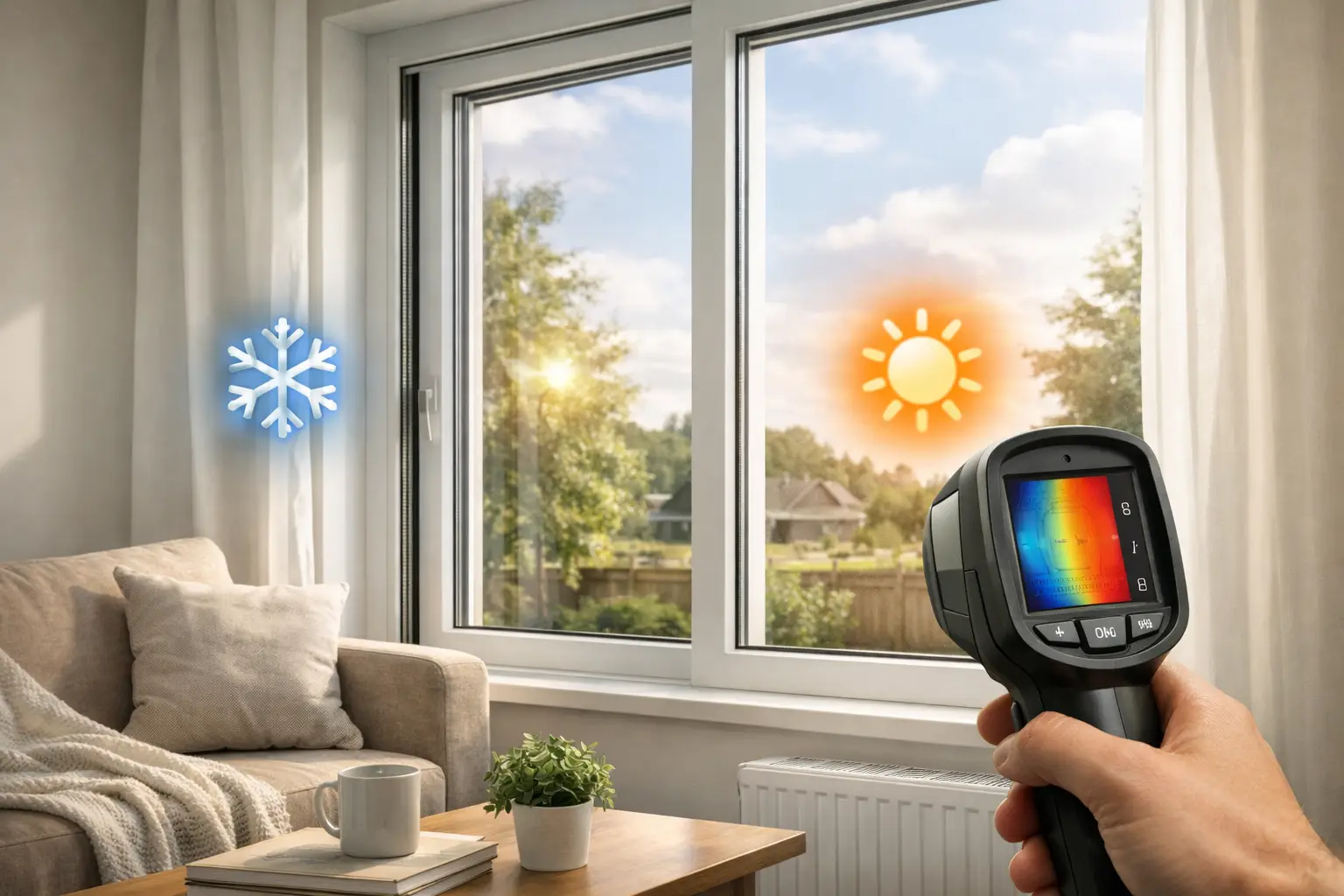
A rating is calculated using three main factors: heat lost through the window, air leakage around it, and solar gain. Solar gain is the useful warmth that enters through glass when sunlight reaches it. This is why a window can perform differently depending on the direction it faces.
The rating is particularly useful because it reflects the real-world balance between heat loss and solar gain. A window with a strong WER can help rooms feel more comfortable through colder months while still allowing valuable daylight into the home.
U-values and WERs are not the same thing
It is common to see U-values alongside window energy ratings, and both matter. They simply answer slightly different questions.
A U-value measures how quickly heat travels through a building element. For windows, a lower U-value is better because it means less heat escapes. Modern double-glazed replacement windows may achieve whole-window U-values around 1.2 to 1.4 W/m²K, while high-performance triple glazing can go lower. The precise result depends on the glass specification, frame construction and size of the window.
A WER takes that heat loss into account but adds solar gain and air permeability to provide a broader assessment. In some cases, a window with a very low U-value may not necessarily produce the best energy rating if it blocks a significant amount of beneficial solar warmth. Conversely, large areas of highly solar-gaining glass may be less desirable in a south-facing room that already becomes uncomfortably hot in summer.
For this reason, a good supplier should talk through both measures rather than relying on a single headline figure.
Why whole-window performance matters
Glass is often the first feature homeowners ask about, but it is only part of the finished product. A premium glazing unit fitted into a poorly insulated frame, or a frame that is not installed accurately, will not deliver the comfort and efficiency expected.
The best specifications consider the full assembly. Multi-chamber uPVC frames, thermally broken aluminium profiles, quality gaskets and warm-edge spacer bars all play a part in reducing heat transfer. Careful installation is equally important. Gaps around the perimeter, poor sealing or incorrect packing can create draughts and undermine the performance of an otherwise excellent window.
This is where an experienced, accredited installation team adds genuine value. The quoted performance should be supported by sound product selection, accurate surveying and workmanship that protects the building fabric.
Choosing the right rating for your home
An A-rated window is often an excellent choice for a typical home, but the right decision depends on the project. A Victorian property with traditional proportions may need sliding sash or flush casement windows that preserve its character. A contemporary extension may call for aluminium frames and larger glazed sections that create a stronger connection to the garden.
Neither style has to compromise on thermal performance. Modern uPVC and aluminium systems can both achieve impressive results when they are correctly specified. Aluminium is especially valued for its slim sightlines and strength, making it well suited to wide openings and architectural glazing. Its thermal break is essential, separating the internal and external sections of the frame to limit heat transfer. uPVC offers excellent insulation and can be an effective option for homeowners seeking warmth, low maintenance and a wide choice of finishes.
The position of each window also deserves attention. South-facing glazing can benefit from winter solar gain but may need solar-control glass, shading or thoughtful opening design to manage summer heat. North-facing rooms receive less direct sun, so low U-values and strong draught resistance become even more important. Bedrooms, bathrooms and rarely used rooms may each have different priorities.
Double glazing or triple glazing?
Triple glazing is not automatically the best answer for every property, although it can be highly effective. It uses three panes of glass and two insulating cavities, helping to reduce heat loss and often improving acoustic comfort. It can be particularly attractive for exposed locations, large picture windows or homes where the owner is targeting a very high level of thermal performance.
However, triple glazing is heavier, can cost more and may reduce solar gain depending on the glass used. It also requires a frame system designed to carry the additional weight. In many existing homes across Nottinghamshire and the East Midlands, well-specified double glazing offers an excellent balance of energy efficiency, appearance and value.
The decision should therefore be based on the overall window design, not a presumption that more panes always mean better performance. A detailed survey can identify where triple glazing will make the most difference and where high-quality double glazing is the more proportionate investment.
Don’t overlook air leakage and ventilation
A warmer home should not become a stuffy one. Energy-efficient windows are designed to close tightly, which reduces unwanted draughts, but controlled ventilation remains essential for indoor air quality and moisture management.
Trickle vents may be required depending on the property and the scope of replacement work. Their appearance and location should be considered early, particularly in heritage-style windows or carefully designed elevations. Opening sash configurations, secure night ventilation and extractor systems in kitchens and bathrooms all contribute to a healthier home.
Condensation is another area where expectations should be realistic. New energy-efficient windows can reduce internal condensation by keeping the inner pane warmer, but they cannot eliminate moisture created by everyday life. Cooking, showering, drying clothes and limited ventilation all increase humidity. In some circumstances, homeowners may notice condensation on the outside of high-performing glazing – this is usually a sign that the outer pane is staying cold because very little heat is escaping from indoors.
Questions worth asking before you buy
When comparing quotations, ask whether the stated U-value applies to the glass centre or the complete window. Whole-window figures provide the more meaningful comparison. It is also sensible to ask which rating is available in your chosen size and style, as performance can vary between a small casement window and a large fixed pane.
You should also confirm the glazing specification, including low-emissivity coatings, gas filling and spacer bars, as well as the planned method of installation. A clear quotation should make it easier to understand what is being supplied and why it is appropriate for your home.
For extensions, conservatories and glazed living spaces, consider comfort throughout the year rather than winter warmth alone. Roof glazing, large sliding doors and south-facing elevations need a balanced approach to insulation, solar control, ventilation and shading. This is where a bespoke design discussion is more useful than selecting products purely by the highest advertised rating.
Performance that complements your home
Window energy ratings are a valuable starting point, but they should lead to a better conversation, not a rushed purchase. The best windows combine credible thermal performance with secure locking, durable materials, carefully considered sightlines and a style that belongs on your property.
Whether you are refreshing a period home or planning a light-filled modern extension, choose glazing that is specified for the building, installed with care and designed to keep delivering comfort long after the first winter.
Recent News
8 October 2026
French Doors for Brighter Garden Living Spaces
6 October 2026
How to Choose Aluminium Bifold Doors That Last
4 October 2026
Heritage Style Aluminium Windows for Period Homes
2 October 2026
Choosing the Best Windows for Period Homes