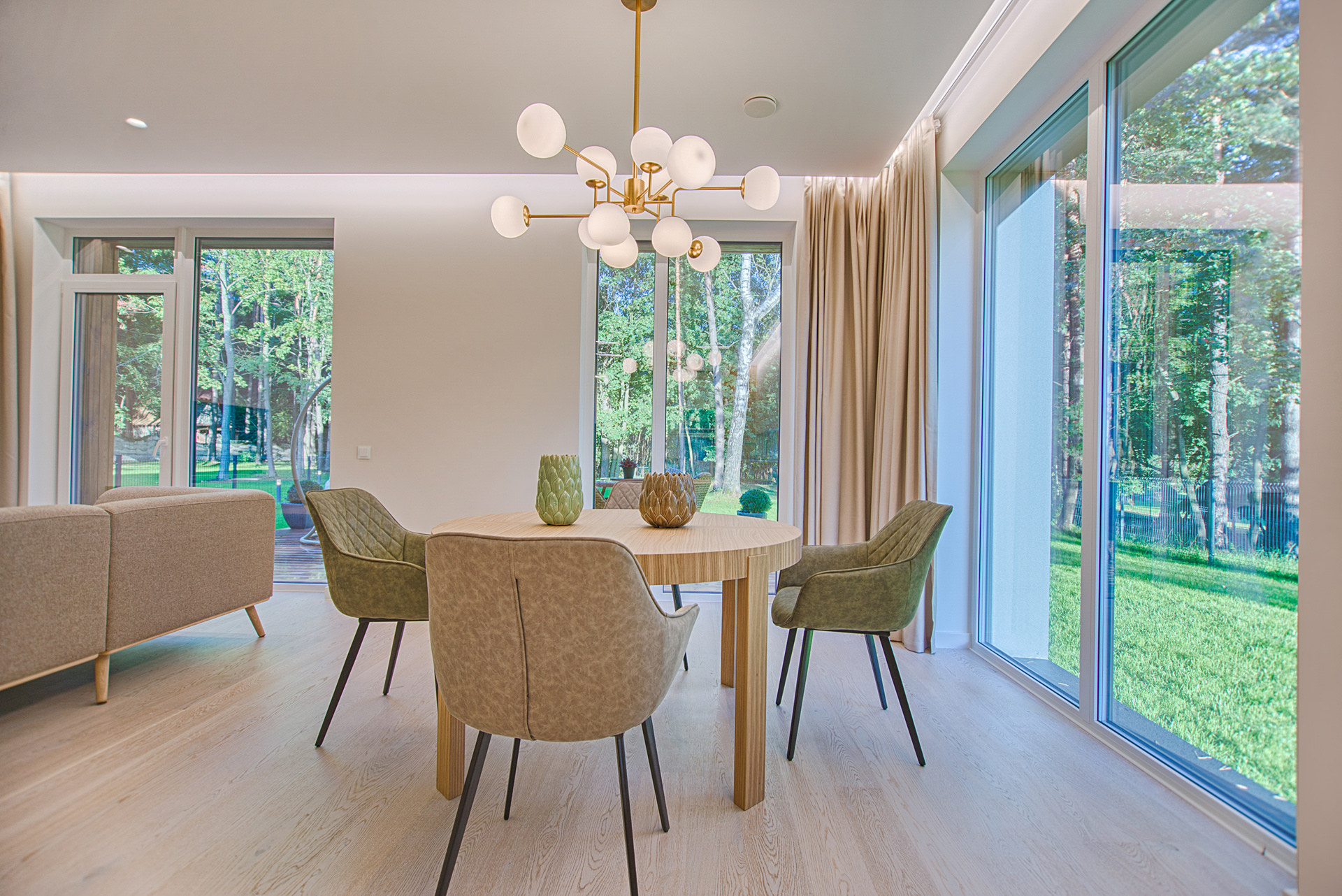
A cold spot beside the sofa, condensation on the inside of the glass and traffic noise that cuts through a quiet evening are all signs that windows may be working harder than they should. But is triple glazing worthwhile when double glazing is already a major improvement on older units? For many homeowners, it can be – provided it is specified for the property, rather than chosen simply because it has three panes.
Triple glazing is a premium investment in comfort, efficiency and long-term performance. The right system can make rooms feel warmer, reduce external noise and help a home retain more of the heat it has paid for. Yet the best result depends on the window design, the frame, the position of the property and, crucially, the quality of installation.
What triple glazing changes
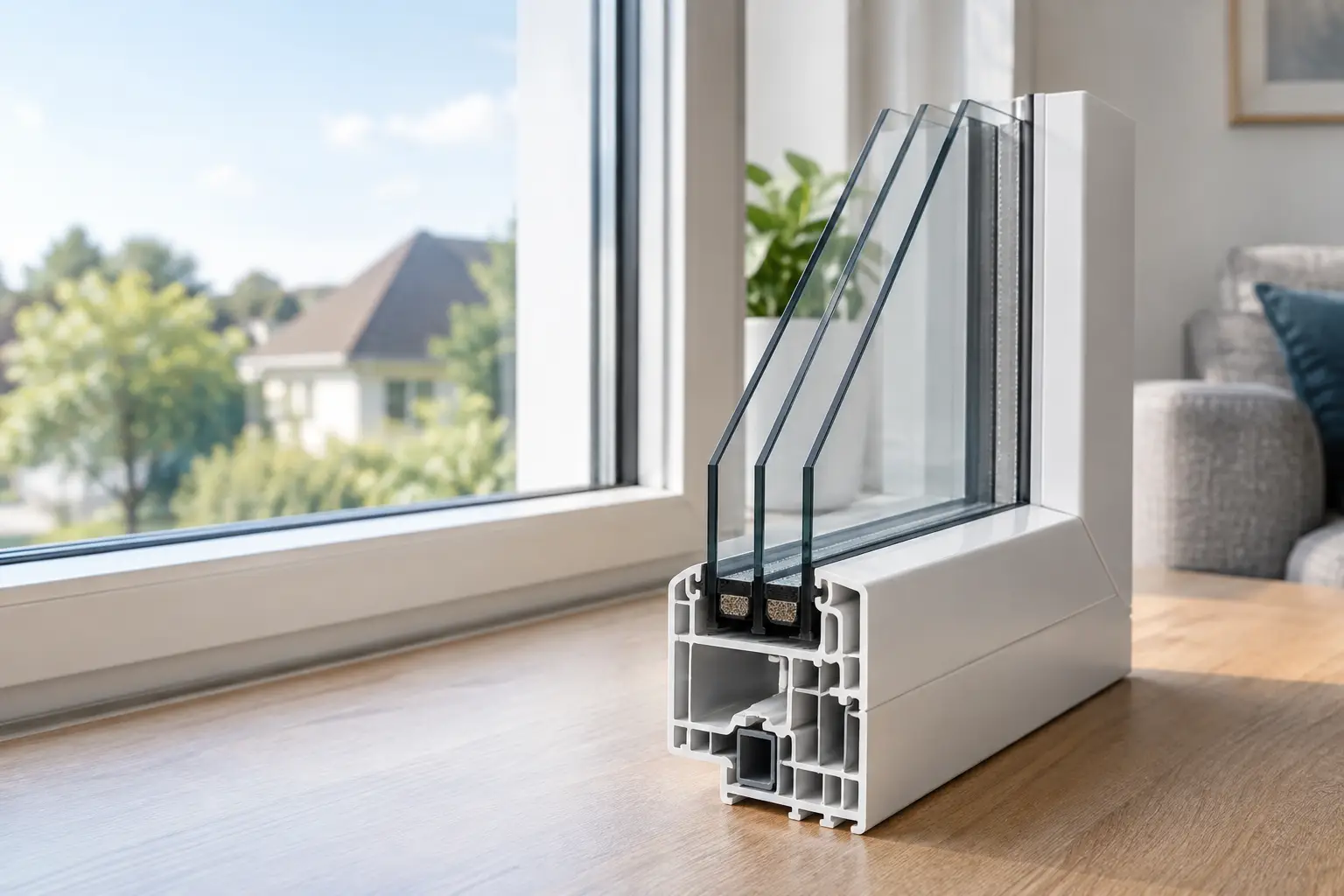
A triple-glazed unit has three panes of glass separated by two sealed cavities. These cavities are usually filled with an insulating gas, such as argon, and the glass may have a low-emissivity coating that reflects heat back into the room.
That additional pane and cavity provide a further barrier against heat transfer. In straightforward terms, less warmth escapes through the glass during winter, while the inner pane tends to remain warmer to the touch. This can make a noticeable difference beside larger windows, in north-facing rooms and in homes where the existing glazing is dated or poorly performing.
Performance is often expressed as a U-value. The lower the U-value, the less heat passes through the window. A well-designed triple-glazed window can achieve a lower U-value than a typical double-glazed alternative, but figures should always be compared on a whole-window basis. Glass alone does not tell the full story: the frame, spacers, seals and opening configuration all affect the final result.
Is triple glazing worthwhile for your property?
The answer is strongest where better insulation will be felt every day. A new-build, self-build or major extension is an obvious example, as the building can be designed around high-performing windows from the outset. Triple glazing also suits homes with large areas of glass, exposed locations and rooms that are difficult to keep comfortable in colder months.
It can be especially worthwhile when replacing single glazing or early double glazing. In those cases, homeowners are not comparing a modest specification upgrade. They are addressing draughts, cold internal surfaces, poor acoustic comfort and substantial heat loss at the same time.
For a well-insulated property with relatively small window openings, premium double glazing may already deliver excellent results. The extra cost of triple glazing may take longer to justify through energy savings alone. That does not make it the wrong choice – comfort, sound reduction and a more refined feel are valid reasons to invest – but it is sensible to be clear about the benefit that matters most to you.
Larger glazed spaces can benefit most
Modern extensions often use bifold doors, slimline sliding doors, roof lanterns and expansive fixed glazing to bring light into the home. These features transform how a space looks and feels, but they also make glazing performance more significant.
In a kitchen extension or open-plan living area, triple glazing can help reduce the sensation of cold radiating from glass on winter evenings. It can also support more even temperatures across the room, particularly when paired with an appropriate frame system and considered heating design.
There is a balance to strike. South-facing glazing can provide useful solar gain in cooler weather, while too much glass or the wrong specification can contribute to overheating in summer. The best solution may include solar-control glass, shading or a mix of specifications across different elevations. One glass choice is not automatically right for every opening.
The benefits beyond lower heat loss
Energy efficiency is usually the headline benefit, but it is not the only one homeowners notice. A warmer inner pane can reduce the risk of internal condensation when everyday moisture from cooking, showers and drying clothes meets cold glass. Good background ventilation remains essential, but higher-performing glazing gives condensation fewer favourable conditions.
Triple glazing can also improve acoustic comfort. The third pane adds mass and creates another cavity, both of which can help reduce noise. However, noise reduction is not as simple as adding more glass. Different glass thicknesses, laminated acoustic glass and the quality of seals can be more influential for homes near busy roads, railways or regular flight paths.
Security and durability should be considered alongside thermal performance. A high-quality window is a complete system, with secure locking, strong hardware, dependable weather seals and a frame built to retain its shape. Whether you choose uPVC or aluminium, the specification should be suited to the style of the property and the demands of the opening.
The trade-offs to discuss before choosing
Triple-glazed units are heavier than double-glazed units. This is not a concern when the window system has been designed and reinforced correctly, but it does make professional surveying and installation essential. Larger opening sashes, in particular, need the right hardware and frame specification to operate smoothly for years.
Cost is the other clear consideration. Triple glazing generally carries a higher initial price because of the extra glass, more complex sealed unit and, in some cases, upgraded frame requirements. The payback through reduced heating demand varies considerably according to the home, fuel costs, existing windows and how the property is used.
There can also be a small reduction in the amount of free solar warmth entering through certain high-performance units. In a poorly insulated home this is rarely the deciding factor, but it reinforces why glazing should be selected as part of the building rather than in isolation.
A reliable installer will explain these trade-offs plainly. The aim is not to sell the highest specification at every opportunity. It is to specify windows and doors that perform properly in their setting, look right for the home and represent sound long-term value.
Frame choice matters as much as the glass
It is easy to focus on panes of glass and overlook the frame surrounding them. Yet a window is only as effective as its complete construction. A quality uPVC frame can offer excellent insulation and low-maintenance practicality, making it a popular choice for traditional and contemporary homes alike.
Aluminium offers slim sightlines, strength and a distinctly architectural finish, particularly for wider openings and contemporary extensions. Modern thermally broken aluminium systems are engineered to limit heat transfer through the frame, allowing homeowners to combine generous glass areas with strong thermal performance.
For period properties, the decision may also involve maintaining character. Flush casement windows or sliding sash designs can provide a more sympathetic appearance while incorporating modern glazing technology. The most worthwhile improvement is one that enhances the house rather than making it look out of place.
Why installation quality determines the result
Even exceptional glazing cannot compensate for a poor survey or careless fitting. Gaps around a frame, inadequate sealing, incorrect packers or poorly finished reveals can lead to draughts, water ingress and heat loss that undermine the investment.
A proper installation begins with accurate measurement and a discussion about the property itself: wall construction, existing openings, sightlines, ventilation and access all matter. It should also account for building regulations and any planning considerations, particularly in conservation areas or on listed properties.
After fitting, the windows should open and close cleanly, locks should engage correctly, and internal and external finishing should protect the building envelope. These details are less dramatic than a new façade, but they are where long-term performance is won or lost.
How to make the right decision
Start by identifying the problem you want new windows to solve. If your priority is replacing misted or outdated units on a sheltered home, quality double glazing may be the sensible option. If you are planning a high-specification extension, renovating an exposed property or creating a glazed living space you want to use comfortably all year, triple glazing deserves serious consideration.
Ask for whole-window U-values rather than glass-only figures, and discuss the glazing specification for each elevation. Consider whether external noise, privacy, solar control or security should influence the glass choice. Finally, look beyond the headline price to the product warranty, installer experience and standard of workmanship.
For homeowners across Nottinghamshire and the surrounding counties, a tailored survey is often the clearest way to decide. A carefully specified window can improve the way a room feels every morning and every winter evening – and that daily comfort is often where the real value of triple glazing becomes clear.
Recent News
25 November 2026
Are Conservatories Usable Year Round? What It Takes
23 November 2026
What Is a Garden Room? Space, Style and Value
21 November 2026
Best Window Styles for Bungalows Compared
19 November 2026
Can Conservatories Add Property Value? What Matters