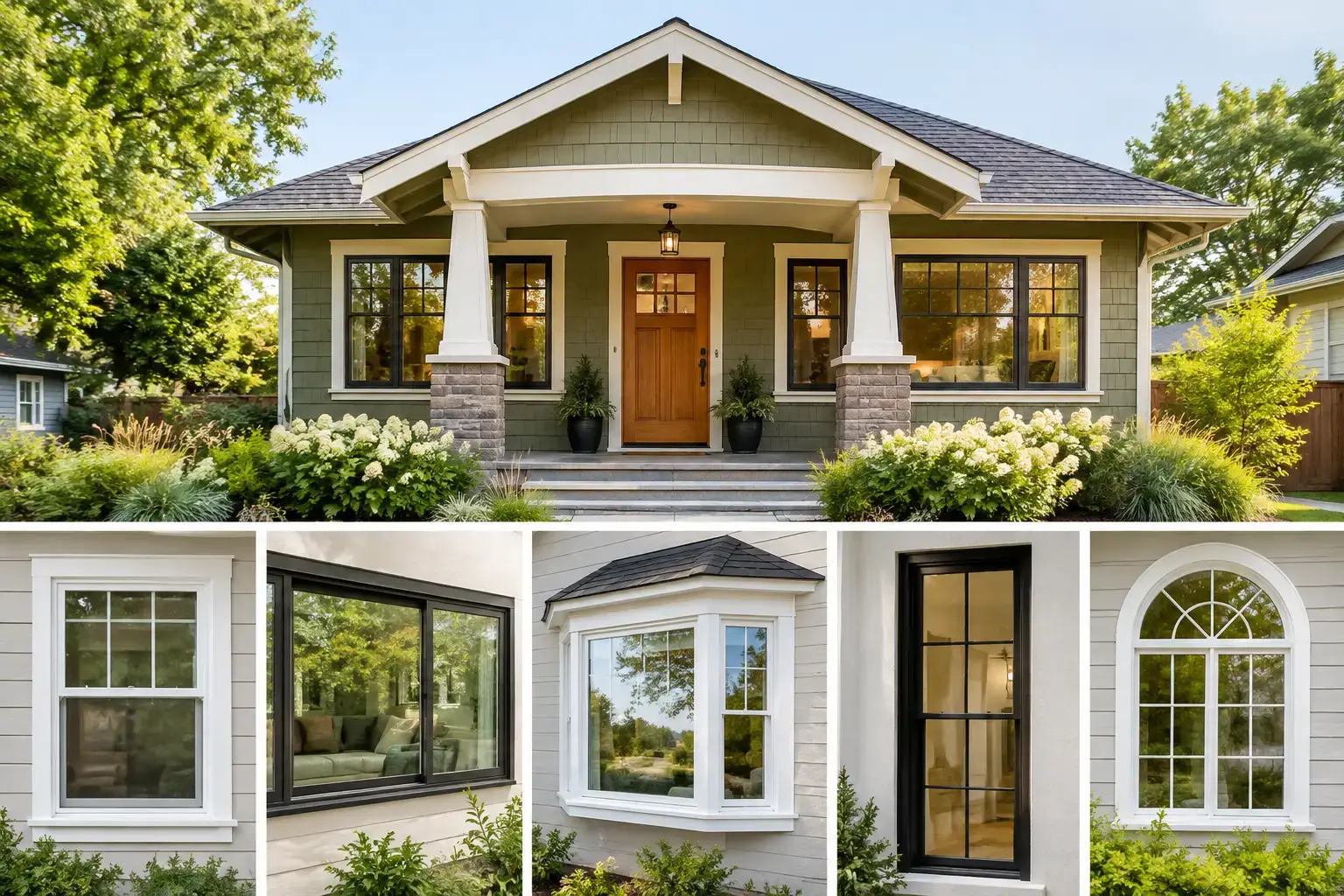
A bungalow’s windows sit closer to eye level than those on a taller house, so their proportions, frame details and opening arrangement have an immediate effect on kerb appeal. The best window styles for bungalows should respect that low, horizontal roofline while improving warmth, daylight, security and everyday ventilation. There is no single right answer, but some styles consistently suit particular bungalow types better than others.
Start with the character of the bungalow
Before choosing a frame material or colour, look at the architectural cues already present. A 1930s bungalow with a tiled roof, projecting porch and brick or rendered elevations usually benefits from windows with traditional sightlines. A newer bungalow with clean render, wider openings and an open-plan layout may suit a more contemporary aluminium design.
The aim is not to make every property look period-perfect. It is to choose windows that feel properly scaled to the building. Bungalows can look top-heavy if window frames are overly chunky, or flat and under-detailed if every opening is replaced with the same plain configuration. Dividing wide openings thoughtfully, retaining suitable glazing bars, or adding a carefully proportioned bay can bring balance back to the frontage.
Performance matters just as much. Modern double glazing, quality seals and professionally installed frames can reduce draughts and heat loss substantially compared with ageing single-glazed or poorly fitted units. The most attractive design will only deliver long-term value if it is secure, weathertight and correctly fitted.
Flush casement windows for traditional bungalows
Flush casement windows are often one of the strongest choices for older and characterful bungalows. When closed, the sash sits flush within the frame, creating a neat, understated appearance that echoes traditional timber joinery. This makes them particularly effective for 1920s, 1930s and cottage-style homes where standard protruding casements can look too modern.
They work well in uPVC for a low-maintenance option, while aluminium versions can provide crisp lines and excellent durability where a more contemporary interpretation is wanted. Wood-effect finishes, heritage colours and carefully selected hardware can all help a replacement window sit comfortably with the property’s original features.
Flush casements are practical as well as attractive. Their outward-opening sashes provide useful ventilation, and modern multipoint locking gives homeowners the reassurance of strong security. The main consideration is the external clearance needed for opening sashes, especially beside paths, patios and planting beds.
Traditional sliding sash windows for period detail
Sliding sash windows offer a more formal period look. They are especially suited to Victorian-influenced bungalows, Arts and Crafts homes and properties with original sash windows that contribute strongly to their character. Their vertical sliding arrangement creates an elegant appearance and can bring a sense of height to lower elevations.
Modern sliding sash windows deliver the look of traditional timber with improved thermal efficiency, security and ease of use. Tilt-in sashes can also make cleaning upper panes simpler from inside the home, a useful benefit for larger front-facing windows.
This style is not automatically the best choice for every bungalow. On a broad, low property with simple 1930s details, multiple vertical sashes may feel too formal or busy. They also tend to be a premium design choice, so it is worth using them where they genuinely enhance the elevation rather than selecting them solely for their heritage appeal.
Standard casement windows for versatile performance
Casement windows remain a popular choice because they can be configured to suit almost any room and architectural style. A side-hung sash gives a wide opening for ventilation, while top-hung fanlights are useful in bathrooms, kitchens and bedrooms where secure background airflow is a priority.
For bungalows, the key is the layout. A large uninterrupted expanse of glass may maximise light, but can look out of scale on a modest front elevation. Conversely, too many small panes can make rooms feel darker and create a fussy exterior. A specialist survey should consider the width of the opening, ceiling height, internal furniture layout and the visual rhythm of the whole façade.
Casements suit rear and side elevations particularly well, where practicality often takes priority over strict architectural detailing. They can be made in uPVC or aluminium, with frame colours selected to complement the roof, brickwork, render or existing doors. Anthracite grey remains a popular contemporary option, but softer greys, cream, black and heritage greens can be more sympathetic depending on the bungalow’s age and setting.
Bay and bow windows for light and presence
A bay window can transform the front room of a bungalow. By projecting beyond the wall line, it draws in light from several directions, adds depth internally and gives the property a more distinctive focal point. It can also create space for a window seat, reading corner or extra furniture without extending the main footprint of the room.
Angular bays generally suit 1930s bungalows particularly well, while curved bow windows can soften a more traditional frontage. Both need to be designed as part of the elevation rather than treated as an isolated feature. Roof details, brickwork, supporting structure and the style of adjacent windows all matter.
Because a bay has more glazed surface area and more junctions than a flat window, installation quality is crucial. Well-designed double glazing and insulated construction will help prevent cold spots, while precise fitting protects the appearance and performance of the whole structure. This is an area where an experienced installation team makes a meaningful difference.
Picture windows where the view deserves it
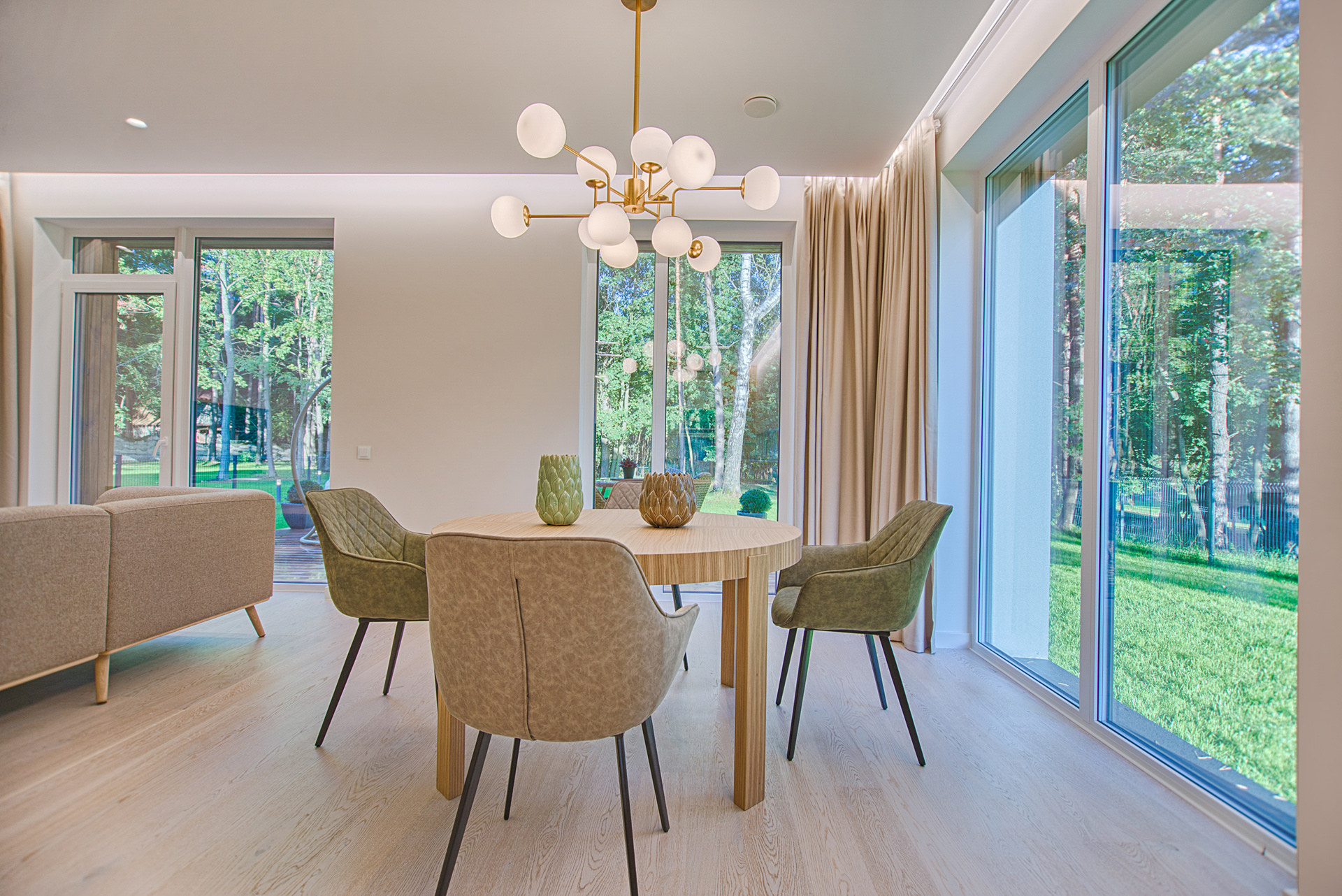
Fixed picture windows are a strong option for bungalows with garden views, countryside outlooks or a private rear aspect. Their slim, uninterrupted glazing can make a living room, kitchen-diner or garden room feel brighter and more connected to the outside.
They are best used alongside opening windows or doors elsewhere in the room. A fixed pane cannot provide ventilation, so a picture window on its own may not be suitable in spaces that become warm in summer. Combining a large fixed central pane with opening side casements can preserve the view while allowing fresh air to circulate.
Aluminium is particularly well suited to large picture windows because it can achieve slim profiles and support generous areas of glass. For a more traditional bungalow, a carefully proportioned uPVC design may be a better visual match. The choice depends on the size of the opening and whether the home calls for a crisp modern finish or a softer, more familiar frame profile.
Choosing the right material for bungalow windows
The frame material should support both the style of the bungalow and the level of maintenance you want over the years. uPVC offers excellent value, thermal performance and a broad range of finishes. It is a practical choice for many replacement projects, particularly when flush casement or sliding sash styling is required.
Aluminium brings strength, slim sightlines and a premium architectural feel. It is ideal for larger openings, contemporary bungalows and projects where windows need to coordinate with slimline sliding doors, bifolds or glazed extensions. While the initial investment can be higher, aluminium’s durability and clean appearance make it attractive for long-term renovation plans.
Whichever material you choose, assess the complete specification rather than the frame alone. Glazing type, locking systems, trickle ventilation requirements, handles, spacer bars and installation standards all influence how the finished windows look and perform.
Planning, privacy and practical details
Most replacement windows can be installed without planning permission, but there are exceptions. Listed buildings, conservation areas and homes with specific planning conditions may require approval or limit what can be changed. It is sensible to establish this before committing to a design, especially if you are altering window size, introducing a bay or changing the appearance significantly.
Privacy is another consideration for bungalows, particularly at the front or where neighbouring properties are close. Obscure glazing, higher-level opening sections or thoughtful landscaping can protect privacy without sacrificing daylight. Bedroom windows should also be considered carefully for safe escape routes, while ground-floor glazing benefits from high-quality locking and secure hardware.
For homeowners renovating a bungalow in Nottinghamshire, Lincolnshire, Leicestershire, Derbyshire or Rutland, local property styles vary widely. A design that feels right on a village bungalow may not suit a modern suburban plot, which is why viewing frame samples and discussing proportions on site is worthwhile.
The best window styles for bungalows depend on balance
Flush casement windows are a dependable all-round choice for traditional bungalows. Sliding sash windows add heritage character where the architecture supports them. Standard casements offer flexibility room by room, while bays and picture windows create impact where light, outlook or interior space calls for it.
The best result comes from treating windows as part of a wider home improvement plan, not a standalone purchase. Consider the entrance door, roofline, external finishes and any future glazed extension before finalising the design. A carefully specified window scheme can make a bungalow feel warmer, lighter and more secure while giving it the quiet confidence that quality craftsmanship brings.
Recent News
25 November 2026
Are Conservatories Usable Year Round? What It Takes
23 November 2026
What Is a Garden Room? Space, Style and Value
19 November 2026
Can Conservatories Add Property Value? What Matters
17 November 2026
Garden Verandas That Add Space and Style