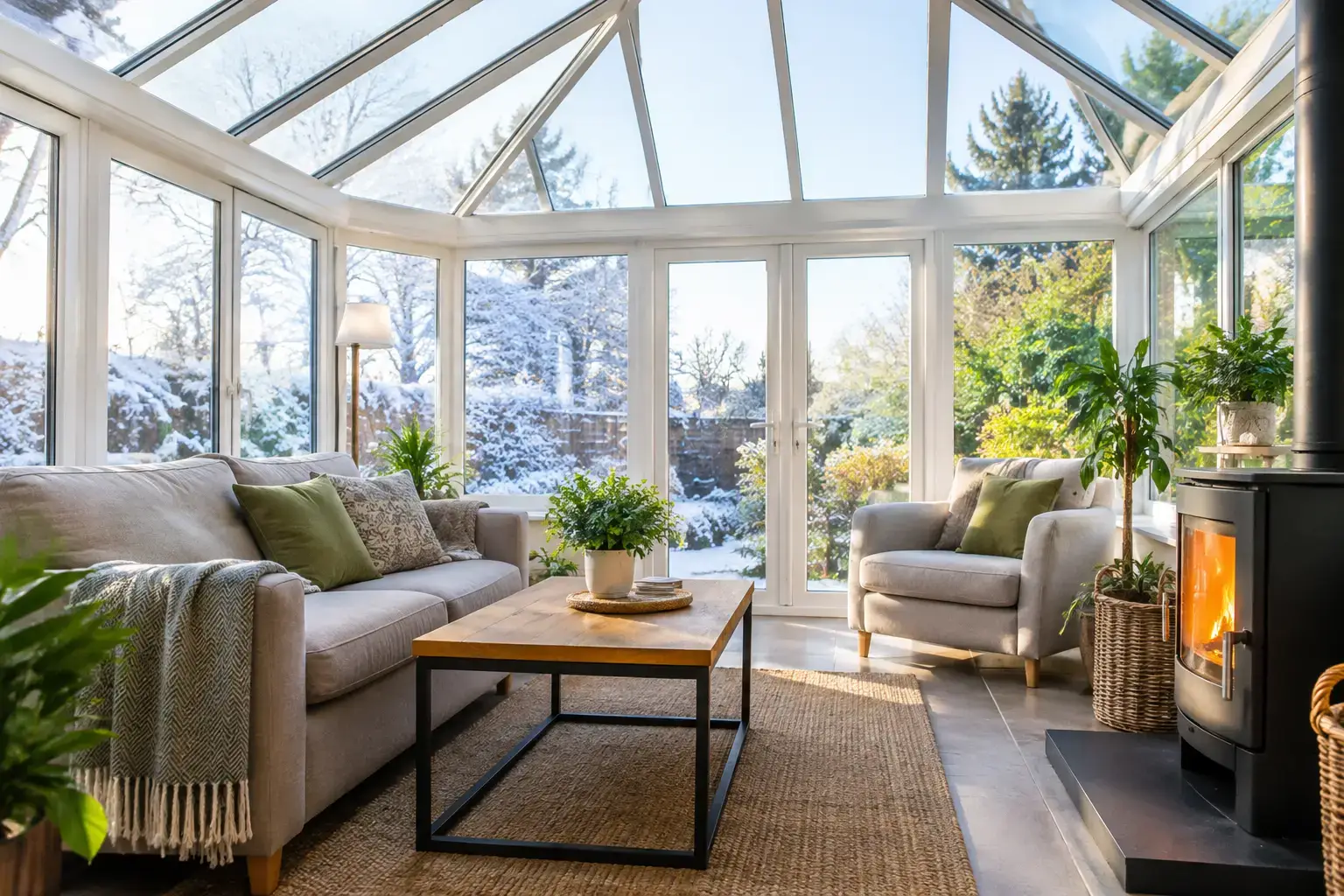
A conservatory that is beautifully bright in April but too cold to sit in by November is not delivering the extra living space most homeowners had in mind. So, are conservatories usable year round? Yes, provided the room is designed as a properly insulated glazed extension rather than a simple sunroom. The quality of the glass, roof, frames, ventilation and installation all make a material difference.
For homes across the East Midlands, where summer heat and winter frost can arrive within the same year, a year-round conservatory starts with choosing a specification that suits how you intend to use the room. A quiet reading space has different requirements from a family dining room, home office or kitchen extension.
Are conservatories usable year round in the UK?
Modern conservatories can be comfortable throughout the year, but there is no single feature that achieves this on its own. A well-performing room balances heat retention in winter with solar control and airflow in summer. Get that balance right and the conservatory becomes a natural part of the home, not a room reserved for sunny afternoons.
Older conservatories often struggle because they were built with basic double glazing, lightweight polycarbonate roofing and limited ventilation. They may feel chilly when outdoor temperatures fall, then quickly become stuffy once the sun is on the glass. Replacing only one element can help, but the strongest results usually come from looking at the whole structure.
A professionally designed conservatory should consider its orientation, the amount of glazing, the roof type, shading, access from the house and the level of insulation around the base. This is why an initial survey is valuable: it turns a general wish for a brighter room into a specification suited to the property.
What makes a conservatory comfortable in every season?
Energy-efficient glazing reduces winter heat loss
Glass is the defining feature of a conservatory, so it needs to work harder than standard glazing. High-performance double glazing with low-emissivity coatings helps retain warmth inside, while insulated frames reduce cold transfer around the edges of each glazed unit.
The best glass choice depends on the room’s position. A north-facing conservatory may benefit most from improved thermal performance, while a south- or west-facing room may need solar-control glass to limit glare and excess heat. There is a trade-off here: glass that rejects more solar energy can slightly change the amount or character of natural light. The aim is a bright room that remains pleasant to occupy, not simply the clearest possible glass.
Warm-edge spacer bars, quality seals and accurate fitting also matter. Even premium glazing cannot perform as intended if there are gaps, poorly aligned doors or weak junctions between the conservatory and the existing house.
The roof has the biggest effect on temperature
A conservatory roof receives direct sun, wind and rain, making it one of the most influential parts of the design. Traditional polycarbonate roofs remain a cost-conscious option and can suit some projects, but they generally provide less insulation and can be noisier during heavy rain.
Modern glazed roofs can create an open, architectural feel while using high-performance roof glass to manage heat and glare. They are particularly effective where daylight is the priority, although the specification must be carefully matched to the room’s orientation.
A tiled or solid conservatory roof offers a different solution. With insulation built into the system, it can make the room feel more like a conventional extension and improve comfort in cold weather. Many homeowners choose a hybrid design with roof windows or glazed panels, retaining daylight overhead without leaving the entire roof exposed to the sun.
The right option is not always the most insulated one. A solid roof can reduce overheating and heat loss, but too few glazed sections may make a previously light-filled room feel enclosed. A considered design protects the qualities that made a conservatory appealing in the first place.
Ventilation prevents summer discomfort
Warm air naturally rises, particularly beneath a glazed roof. Without a route for it to escape, even a well-insulated conservatory can overheat in summer. Roof vents, opening windows, French doors, bifolds or sliding doors all help create effective airflow.
Ventilation should be planned rather than treated as an afterthought. Opening sections positioned at different heights encourage warm air to leave while drawing cooler air in. If privacy, security or the layout of the garden limits how far windows can open, integrated roof vents and mechanical ventilation may be worth considering.
External shading, blinds and solar-control glazing can also reduce the heat entering the room. Internal blinds improve comfort and soften glare, but they stop heat after it has already passed through the glass. External shading is usually more effective where intense afternoon sun is the main concern.
Heating a conservatory without wasting energy
A year-round conservatory needs a responsive heat source for the coldest days. The appropriate choice depends on the size of the room, its insulation level and the existing heating system. Underfloor heating is popular because it provides even warmth without taking up wall space, while radiators can be a practical option when incorporated into a wider extension project.
Electric underfloor systems and electric radiators can be straightforward to install, particularly when connecting to central heating is impractical. Their running costs should be considered carefully, however. Better insulation and glazing reduce the heat required in the first place, which is often the more valuable long-term investment.
Do not rely on heating to solve a poor-performing structure. If the roof and glazing allow too much heat to escape, the room may still feel cold near the glass while energy bills rise. Improving the fabric of the conservatory first creates a more stable temperature and a more comfortable space.
Does conservatory orientation matter?
It matters considerably. A south-facing conservatory gains generous daylight and warmth through much of the year, but it may need stronger solar control, ventilation and shading. West-facing rooms can receive intense late-afternoon sun, which is welcome in cooler months but can be uncomfortable in high summer.
North-facing conservatories generally receive softer, more consistent light with less risk of overheating. They often benefit from excellent thermal glazing and an insulated roof design to ensure they remain inviting during winter. East-facing rooms are bright in the morning and usually calmer later in the day, making them well suited to breakfast spaces and home offices.
Surrounding features should be assessed too. Mature trees, neighbouring buildings, fences and the height of the existing property can all alter light levels, privacy and exposure to wind. A good design responds to the actual site rather than relying solely on compass direction.
Choosing between a conservatory, orangery and garden room
The names are sometimes used interchangeably, but the balance of glazing and solid structure differs. A conservatory is typically more glass-led, offering broad garden views and abundant natural light. An orangery usually includes more solid wall and roof construction, with a glazed lantern or roof section, creating an extension-like feel.
A garden room can be a strong alternative where homeowners want a highly insulated, more enclosed space for work, hobbies or entertaining. It may provide greater thermal stability, but it will not necessarily deliver the same panoramic connection with the garden.
For many properties, the answer is not to move away from a conservatory but to specify it more intelligently. Slimline aluminium frames, high-performing glass, a carefully chosen roof and wide-opening doors can create a refined glazed living space that works with both traditional and contemporary architecture.
Questions to ask before investing
Before approving a design, ask how the proposed roof, glazing and frames will perform in both summer and winter. Request a clear explanation of ventilation, solar control and the likely heating approach. It is also sensible to ask who will carry out the survey and installation, what guarantees are provided, and whether the work is covered by the relevant building regulations and certification requirements.
The installer should be willing to discuss compromises honestly. For example, a fully glazed roof maximises sky views but may need more active solar control; a tiled roof offers stronger insulation but needs glazing elsewhere to preserve daylight. The best recommendation is the one that reflects how you will actually live in the room.
A conservatory should earn its place as part of the home in January as confidently as it does in July. With tailored design, quality materials and experienced installation, it can become the bright, comfortable space where everyday life naturally gathers. Kingdom Architectural Glazing Systems can help homeowners assess the options and build a glazed living space designed for lasting comfort.
Recent News
23 November 2026
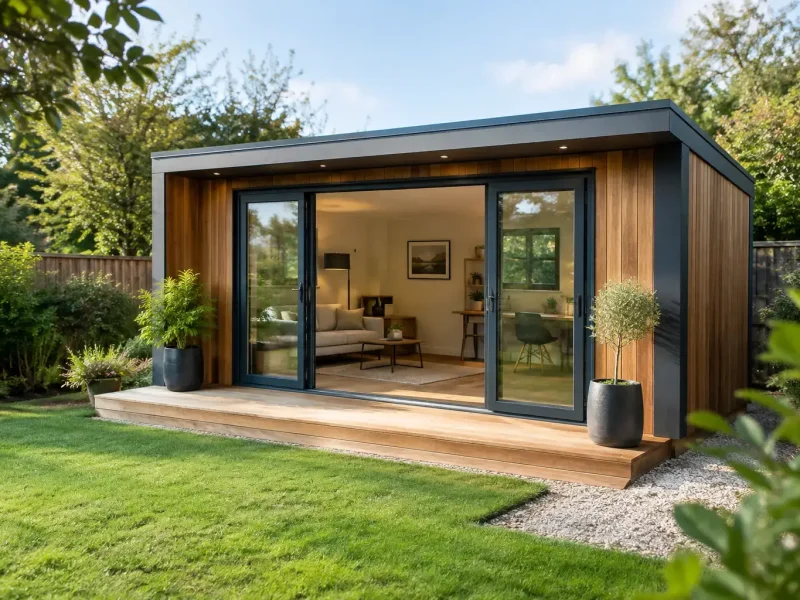
What Is a Garden Room? Space, Style and Value
21 November 2026
Best Window Styles for Bungalows Compared
19 November 2026
Can Conservatories Add Property Value? What Matters
17 November 2026
Garden Verandas That Add Space and Style