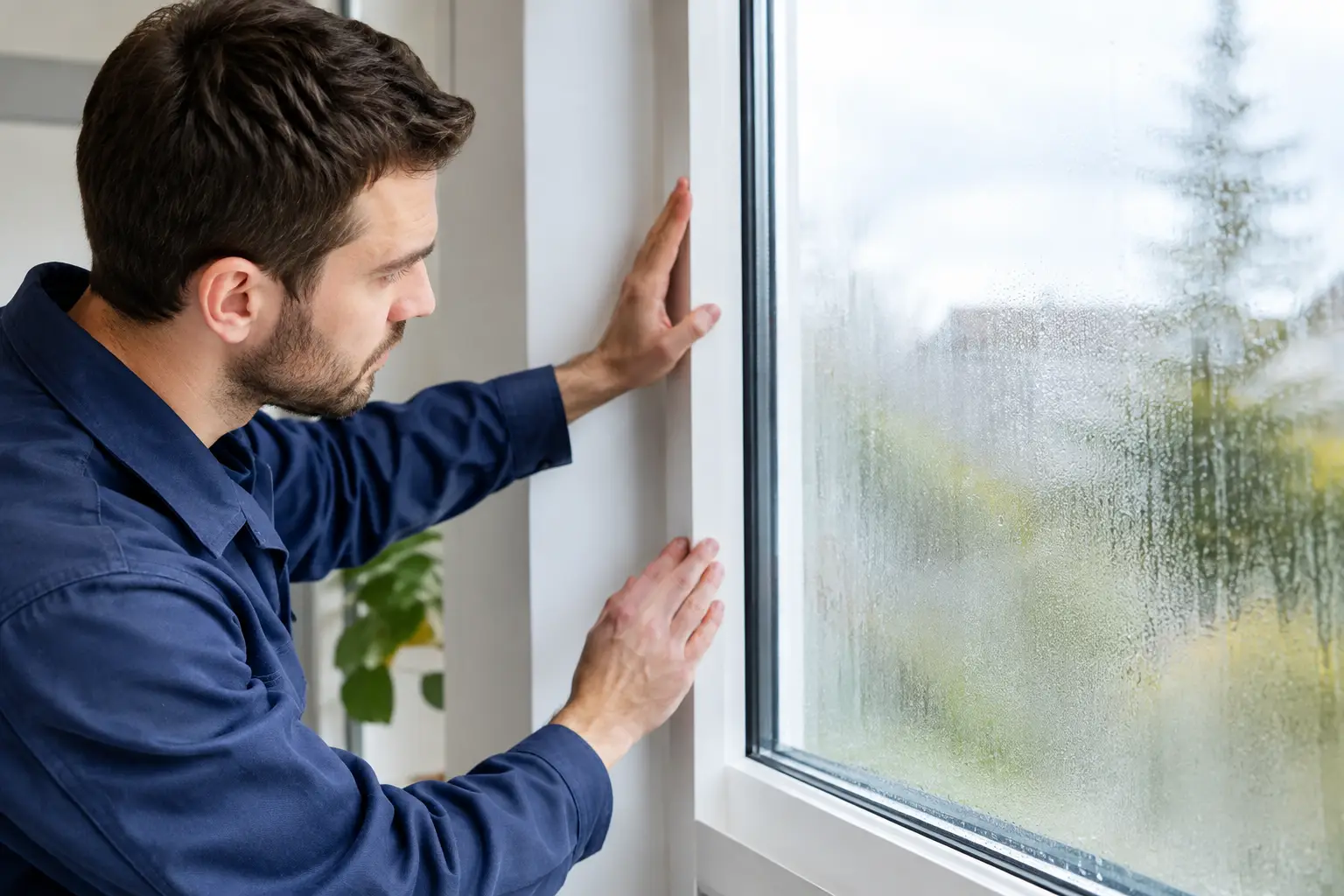
That cloudy patch trapped inside a window is more than an annoyance when the sun catches it. If you are wondering how to fix misted glazing, the answer usually lies in replacing the failed sealed glass unit, rather than replacing the entire window. Done properly, it restores a clear view, improves insulation and protects the polished appearance of your home.
Misted glazing is common in double and triple glazed windows as they age, but it can also affect relatively recent installations where seals have been damaged or have failed prematurely. The right solution depends on where the moisture is sitting, the condition of the frame and the quality of the existing installation.
Why does glazing become misted?
Modern double glazing is made from two panes of glass separated by a spacer bar and sealed around the edge. The gap is filled with air or an insulating gas, commonly argon, and a desiccant within the spacer absorbs small amounts of residual moisture.
When the perimeter seal breaks down, moist air can enter the cavity between the panes. Changes in temperature then cause that moisture to condense on the inside faces of the glass, creating the familiar hazy, streaked or spotted appearance. Once this happens, cleaning either side of the window will not remove it.
Seal failure can result from age, constant expansion and contraction in changing weather, poor drainage around the frame, movement in the property or damage to the glazed unit. Windows facing strong sunlight or exposed elevations can experience greater thermal stress over time. It does not always mean the whole window has reached the end of its life.
First, check where the condensation is forming
Not all condensation means your glazing has failed. A quick check can save you from paying for unnecessary work.
If moisture is on the room-facing side of the glass, it is usually caused by high humidity indoors. Cooking, showering, drying clothes and limited ventilation can all contribute. Improving extraction, using trickle vents correctly and maintaining a steadier indoor temperature may resolve the issue.
Condensation on the outside pane is often a positive sign. It can occur when highly efficient glazing keeps warmth inside the house, leaving the outer glass colder than the air outside. It normally clears as conditions change.
Misting or droplets between the panes are different. This is the clear indication that the sealed unit has failed. You may also notice a rainbow effect, dirty-looking marks that cannot be cleaned away, or a draughtier feel near the window.
How to fix misted glazing properly
For most homeowners, replacing the sealed unit is the reliable, long-term repair. The existing frame, opening mechanisms and hardware can remain in place if they are sound. A glazing specialist measures the unit precisely, removes the beads holding it in position, takes out the failed glass and installs a new unit designed for the frame.
This is often considerably less disruptive and more cost-effective than replacing the full window. It also provides an opportunity to upgrade the glass specification. Depending on the property and window type, you may choose low-emissivity glass for improved thermal performance, tougher safety glass where required, acoustic glass for a noisy location or decorative glass that better suits the home.
A professional replacement should include the correct packers, glazing seals and drainage allowances. These small details matter. They support the glass correctly, prevent pressure points and help water drain away as intended, all of which contribute to the service life of the new unit.
When replacing the glass unit is enough
A sealed unit replacement is usually suitable when the frames remain secure, open and close smoothly, and show no meaningful signs of deterioration. This applies to many uPVC, aluminium and timber windows, as well as glazed doors and conservatories.
It is particularly worthwhile where the window style still suits the property and the wider installation is performing well. There is little sense in discarding a high-quality frame simply because one glass unit has failed.
When a full window replacement makes more sense
There are occasions when replacing only the glass is not the best investment. If frames are warped, cracked, rotten, badly discoloured or difficult to lock, a new sealed unit will not solve the underlying problem. The same applies if hinges, handles and locking systems are worn beyond economical repair.
A full replacement may also be the better route where several units have failed, the windows are poorly insulated by modern standards, or you are planning a wider renovation. New uPVC or aluminium windows can improve energy efficiency, security and kerb appeal in one project, while giving you the freedom to change sightlines, frame colour and opening configuration.
The decision should be based on condition and long-term value, not simply the lowest immediate cost. An honest assessment of the frames and surrounding installation is essential.
Can misted double glazing be repaired without replacement?
You may see services that drill a small hole into the glass, remove moisture and attempt to reseal the unit. While this can sometimes improve the appearance temporarily, it does not recreate the original factory-sealed cavity or reliably restore the insulating gas fill. The risk is that the clouding returns and the thermal performance remains compromised.
DIY methods are even less advisable. Drilling glass, injecting drying agents or attempting to prise out glazing beads can lead to cracked panes, damaged frames, leaks and security issues. Toughened glass can shatter if handled incorrectly, while poor refitting may affect drainage and invalidate a product warranty.
For a lasting result, a replacement sealed unit manufactured to the correct specification is normally the dependable option.
What happens during a professional sealed unit replacement?
The process is usually straightforward, particularly where access is good and the frame is in sound condition. An installer will first inspect the window and confirm that the misting is within the glazed cavity. They will then take accurate measurements of the glass, spacer bar, thickness and any coating, safety requirement or decorative feature.
The replacement unit is made to suit the opening, rather than selected as a one-size-fits-all panel. On installation day, the old unit is removed carefully and the frame is checked for defects, drainage issues and deteriorated gaskets. The new glass is packed, levelled and secured before the beads and seals are refitted.
The work itself can often be completed with minimal disturbance, although lead times for manufacturing the new unit will vary. For upper-floor windows, large panes, shaped glazing or difficult access, the job may require additional equipment and planning. A reputable installer will explain this before work begins.
Choosing the right replacement glass
A misted pane gives you a useful chance to consider whether the original glass still meets your needs. Standard replacement glazing may be appropriate, but premium specifications can make a noticeable difference in comfort and performance.
Low-emissivity glass helps retain warmth by reflecting heat back into the room. Argon-filled units can further reduce heat transfer. If your home is near a main road, school or busy neighbourhood, acoustic glass may help soften outside noise. Laminated glass can improve security and is often specified for vulnerable locations, while obscured or patterned glass protects privacy in bathrooms, entrance areas and overlooked spaces.
Where the window sits in a door, low-level opening or certain critical locations, safety glazing may be required. It is worth checking this rather than simply matching the appearance of the old pane. The best specification balances performance, appearance, budget and the way you use the room.
How to help new glazing last longer
No sealed unit lasts forever, but sensible maintenance supports the frame and helps identify problems before they worsen. Keep drainage channels at the bottom of window frames clear of debris, as standing water can place unnecessary strain on seals. Clean frames and gaskets gently, avoiding aggressive solvents or abrasive pads.
Open and close windows regularly, especially where hinges and locks are exposed to the weather, and deal with any sticking or movement early. Good household ventilation also reduces interior condensation, which protects finishes around the window even though it is not the direct cause of a failed sealed unit.
If you notice early hazing in one pane, do not assume every window needs replacing. Ask for an inspection and a clear explanation of what has failed, what can be repaired and what offers the best value over the years ahead.
For homeowners across Nottinghamshire and the surrounding counties, Kingdom Architectural Glazing Systems can assess misted glazing as part of a wider conversation about your windows, doors or glazed living space. A clear pane should do more than improve the view – it should help your home feel warmer, quieter, safer and properly cared for.
Recent News

8 October 2026
French Doors for Brighter Garden Living Spaces
6 October 2026
How to Choose Aluminium Bifold Doors That Last
4 October 2026
Heritage Style Aluminium Windows for Period Homes
2 October 2026
Choosing the Best Windows for Period Homes