A replacement window should do more than fill an opening. It should make a draughty room feel comfortable, sharpen the appearance of your home and provide reassuring everyday security. Knowing how to choose replacement windows means looking beyond the initial price and deciding which combination of style, material, glazing and installation quality will serve your property well for years to come.
For homeowners upgrading a period terrace, renovating a family home or completing a contemporary extension, the best choice is rarely a one-size-fits-all answer. The right windows need to suit the architecture, your priorities and the practical demands of each room.
Start with what your home needs
Before comparing frame colours or opening styles, identify what is not working with your existing windows. You may be dealing with cold spots near the glass, condensation, outside noise, difficult locks or tired-looking frames that detract from kerb appeal. These issues will help determine where to invest.
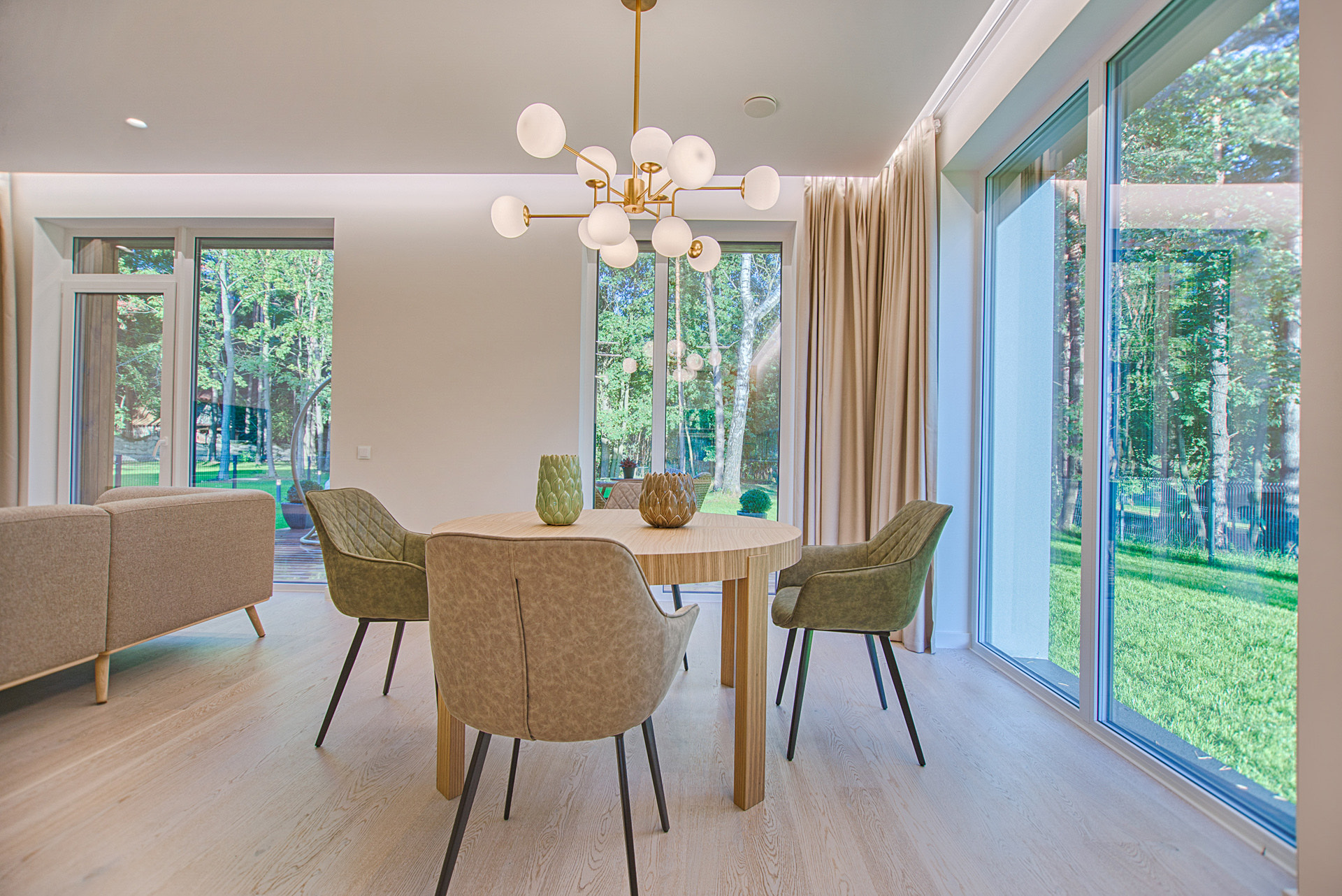
A front-facing bay window, for example, may call for a style that respects the character of the property while improving insulation and security. At the rear, larger glazing or slim aluminium frames may be a better fit for a modern kitchen extension where natural light and garden views are the priority.
It also helps to consider how long you expect to remain in the property. Premium windows can add meaningful value and daily comfort, but they should be chosen as a long-term part of the building rather than a quick cosmetic update.
Choose a window style that belongs on the property
Windows have a major effect on the proportions and personality of a home. A style that looks excellent on a new-build can feel out of place on a Victorian or cottage-style property, while overly traditional detailing may not complement a crisp, contemporary extension.
Casement windows
Casement windows remain one of the most versatile options for British homes. They can be designed with clean, contemporary lines or with more traditional proportions, and their outward-opening sashes allow practical ventilation. They work particularly well across whole-house replacement projects because they offer flexibility in layout, colour and glazing-bar design.
Flush casement windows
A flush casement sits neatly within the frame rather than projecting beyond it. This creates a refined, timber-like appearance that suits heritage-inspired homes, cottages and properties where owners want classic character without the maintenance associated with timber frames.
Sliding sash windows
Sliding sash windows are often the natural choice for Georgian, Victorian and Edwardian homes. Modern versions can preserve the balanced, elegant appearance of traditional sashes while providing improved thermal efficiency, secure locking and easier operation. Attention to sightlines, sash horns and glazing-bar proportions makes a considerable difference to the finished result.
Aluminium windows
Aluminium is especially popular for contemporary homes and extensions. Its strength allows slimmer frames and larger glass areas, helping create brighter rooms with more open views. Aluminium is a premium option, but its crisp detailing, durability and broad colour range can justify the investment where design is a central consideration.
Select the right frame material
The material affects appearance, maintenance, thermal performance and budget. There is no universally superior choice, only the material most suitable for your home and expectations.
uPVC windows offer excellent value, dependable insulation and minimal maintenance. Quality uPVC frames are available in a far wider choice of finishes than many homeowners expect, including woodgrain effects and coloured options. They are a practical choice for many replacement projects, particularly where strong performance and cost control are equally important.
Aluminium windows generally cost more, but offer exceptional strength and a more architectural appearance. Their narrower frames can maximise daylight, and their powder-coated finish is highly durable. They are particularly well suited to large openings, modern façades and projects where windows need to coordinate with aluminium bifold or sliding doors.
If you are replacing windows across a mixed-style property, consistency matters. Matching frame colours, hardware and glazing details with existing doors or planned extensions will produce a more considered finish than choosing each product in isolation.
Assess energy efficiency beyond the sales headline
Energy-efficient windows can reduce heat loss, improve comfort near the glass and potentially lower heating demand. However, a good result depends on the complete window specification, not one number quoted in a brochure.
Look at the window energy rating and U-value, which measures how readily heat passes through the window. Lower U-values generally indicate better insulation. Double glazing is an excellent solution for many homes, while triple glazing can provide further thermal and acoustic benefits in the right circumstances.
Triple glazing is not automatically the best choice for every opening. The additional pane increases weight and cost, and it may offer less noticeable benefit in a sheltered room that already receives plenty of sunlight. It can be particularly worthwhile on exposed elevations, in colder rooms or where a high-performance building envelope is being created as part of a wider renovation.
The glass specification matters too. Low-emissivity coatings help retain warmth, while warm-edge spacer bars reduce heat transfer around the perimeter of the sealed unit. For south-facing rooms, solar control glass may help manage excessive heat and glare. A knowledgeable survey should take account of orientation, shading and how each room is used.
Do not treat ventilation as an afterthought
Better-sealed replacement windows can transform comfort, but a home still needs controlled ventilation. Opening windows remains useful, yet practical everyday ventilation may also depend on trickle vents and suitable extraction in kitchens and bathrooms.
Ventilation requirements are shaped by Building Regulations and the condition of the property. Well-positioned trickle vents can support airflow without undermining the appearance of the installation. Ask how they will be incorporated before committing to a design, especially if clean sightlines are important to you.
Condensation should be assessed carefully as well. It is often linked to moisture levels and inadequate airflow inside the home, rather than simply a fault with the window. New glazing can improve the internal surface temperature of the glass, but it cannot resolve every condensation issue on its own.
Prioritise security and everyday usability
Replacement windows should feel secure without becoming awkward to live with. Look for multi-point locking, robust hinges, internal beading where appropriate and lockable handles. Quality hardware should operate smoothly, align neatly and complement the frame colour and style.
For ground-floor windows, accessible side elevations and rooms with valuable equipment, security deserves particular attention. A professional installer can recommend configurations that balance escape routes, ventilation and security. Bedroom windows may also need to provide an appropriate means of escape in the event of a fire, depending on their location and the layout of the property.
Think about cleaning and access too. An upper-floor window might need a particular opening arrangement to make external glass easier to maintain. In a busy family kitchen, secure night ventilation may be more useful than a large outward opening that interferes with a patio or walkway.
Factor in planning, character and installation standards
Most like-for-like replacement windows do not require planning permission, but there are exceptions. Listed buildings, conservation areas and homes with restrictive planning conditions may require a more sensitive approach. The choice of frame depth, glazing bars, opening arrangement and finish can all matter when preserving a property’s character.
Installation quality is every bit as important as the product itself. Even a well-made window will not achieve its intended performance if it is poorly measured, fitted or sealed. Choose an experienced, accredited installer that provides a clear survey, detailed quotation and an explanation of how the work will be completed.
Ask what is included in the price. Removal and disposal of old frames, internal trims, making good around reveals, glass specification, ventilation provisions and guarantees should be clear from the outset. Comparing quotations on the headline figure alone can hide important differences in product quality and workmanship.
At Kingdom Architectural Glazing Systems, this consultative approach helps homeowners weigh design, performance and practical requirements before the installation begins.
Set a realistic budget for the whole project
The least expensive window can prove costly if it compromises insulation, security or the look of the home. Equally, spending on premium aluminium throughout may not be necessary if uPVC offers the appearance and performance required for certain elevations.
Build your budget around the entire installation, including the number and size of openings, frame material, glazing upgrades, decorative features, access requirements and any remedial work discovered during survey. Where funds are limited, it can be sensible to prioritise the coldest, noisiest or most visible windows first, provided the future design remains consistent.
A detailed quote should give you confidence in what you are buying, rather than leaving essential elements to be agreed on installation day.
Make the final choice with samples and a proper survey
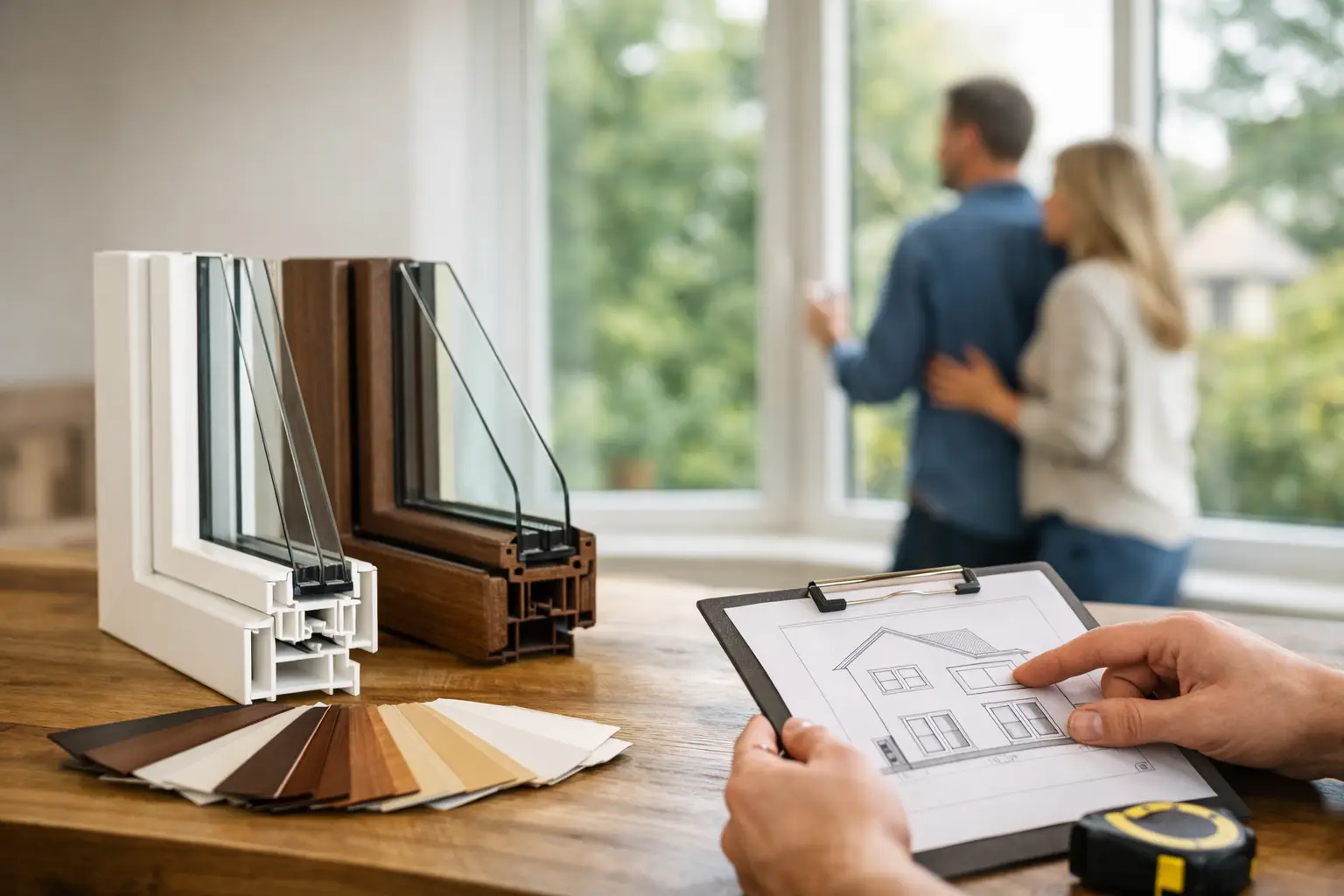
Photographs are useful, but samples tell you far more about a window’s quality. Look at the thickness of the frame, the finish of the corners, the feel of the handles and the clarity of the glass. View colour samples outdoors where daylight can change their appearance considerably.
A proper survey is the point at which a promising idea becomes a suitable specification. It should account for the building, existing openings, access, ventilation, structural considerations and your preferences for sightlines and finishing details. The right replacement windows will not simply look new on day one – they will make your home warmer, quieter, safer and more enjoyable every day after.
Recent News
8 October 2026
French Doors for Brighter Garden Living Spaces
6 October 2026
How to Choose Aluminium Bifold Doors That Last
4 October 2026
Heritage Style Aluminium Windows for Period Homes
2 October 2026
Choosing the Best Windows for Period Homes