Replacing tired windows or fitting new external doors should improve far more than the view. Done properly, the work can reduce heat loss, improve security, manage ventilation and protect the value of your home. FENSA installation requirements are central to this process for many homeowners, because they provide a recognised route for proving that qualifying replacement installations meet Building Regulations.
For anyone planning an upgrade in Nottinghamshire or the wider East Midlands, the practical question is not simply whether a new window or door looks right. It is whether the specification, survey and fitting method are right for the property. A FENSA-registered installer can make that process clearer, but it helps to understand exactly what FENSA covers and where separate permissions may still be needed.
What are FENSA installation requirements?
FENSA is a Competent Person Scheme for installers of replacement windows and external doors in England and Wales. Members who are registered for the relevant work can self-certify qualifying installations as compliant with the applicable Building Regulations, rather than the homeowner arranging a separate Building Control inspection for each job.
The scheme applies mainly to replacement glazing in existing dwellings. Typical examples include replacement uPVC or aluminium windows, replacement external doors with substantial glazing, French doors and patio doors. It does not automatically cover every glazing project or every property type. New-build work, commercial premises, extensions, conservatories, structural alterations and installations outside the scheme’s scope may require Building Control involvement or a different compliance route.
Once a qualifying installation has been completed and registered, the homeowner receives a FENSA certificate. This is evidence that the work has been notified and self-certified. Keep it safely with your property paperwork: solicitors often ask for it when a home is sold or remortgaged.
The Building Regulations behind FENSA requirements
A FENSA certificate is the outcome of compliant work, not a substitute for careful design. The requirements checked by an approved installer relate to several areas of Building Regulations, and each one has a direct effect on comfort, safety and long-term performance.
Thermal performance and energy efficiency
Replacement windows and doors must meet current standards for energy efficiency. In practice, this means selecting suitable frames, glazing units and seals to limit heat loss. The required performance can be demonstrated through U-values, Window Energy Ratings or another accepted method, depending on the product and project.
A premium glazed unit alone is not enough. Poorly sized openings, weak perimeter sealing or badly fitted trims can undermine the benefit of high-performance glass. A proper survey considers how the new frame will sit within the existing reveal, how insulation and weathering will be maintained, and how the finished installation will look inside and out.
Older homes can call for a more considered approach. A period property may need slim sightlines, sliding sash windows or a sympathetic colour and profile, but it should not be assumed that traditional styling means lower performance. The right system can retain character while making the home warmer and quieter.
Ventilation that suits a more airtight home
Modern replacement windows can significantly reduce unwanted draughts. That is a benefit, but ventilation still has to be addressed. Depending on the condition and design of the property, compliant replacement windows may need background ventilators, commonly known as trickle vents, or another appropriate means of providing fresh air.
This is often one of the most visible decisions in a window replacement project. Some homeowners are concerned about the appearance of trickle vents, while others want more control over condensation and indoor air quality. Your installer should assess the existing ventilation provision and explain the available options before ordering. Retrofitting a solution after installation is rarely as tidy or as effective as specifying it at the start.
Safety glazing in critical locations
Toughened or laminated safety glass is required in areas where ordinary glass could create a greater risk of injury. This includes certain low-level glazing, glazed doors and panels close to doors. The exact requirement depends on the size and position of the pane, not simply whether it is in a busy room.
Safety glass should be correctly marked and installed within a system designed for it. This matters particularly with large sliding doors, bifolds and full-height fixed glazing, where the visual impact is substantial and the glass must perform reliably every day.
Fire escape and emergency egress
Where a window serves as an emergency escape route from a habitable room, its clear opening size and accessibility matter. A replacement should not reduce an existing escape window below the required standard. Casement layout, hinge type, furniture and opening restrictors can all affect the usable opening.
This is a good example of why a like-for-like replacement is not always straightforward. A window can appear similar from the outside but offer a different opening configuration. An experienced surveyor will identify this before manufacture, not on fitting day.
Structure, weathering and secure fitting
The frame needs secure mechanical fixing, suitable support and effective weatherproofing around the opening. If replacing a window reveals defective lintels, damaged brickwork or an unstable bay structure, those issues must be resolved rather than hidden behind new trims.
Installation also has to preserve drainage routes and avoid compromising damp protection. On doors, threshold design deserves particular attention. A low threshold may improve accessibility and create a clean transition to a patio, but the surrounding levels and drainage must be designed to prevent water ingress.
Planning permission and FENSA are different matters
FENSA approval does not remove the need to check planning rules. Building Regulations deal with how work performs and is constructed; planning controls what changes are permitted in a particular location or building.
You may need additional consent if your home is listed, located in a conservation area, subject to an Article 4 Direction, or affected by planning conditions. Altering the appearance of a front elevation, changing window proportions, or replacing traditional timber designs with a materially different style can require more scrutiny. Flats can also involve leasehold permissions and management-company requirements.
This is why the first conversation should cover the property as well as the product. A well-chosen aluminium sliding door or flush casement window should suit the architecture, but it must also be permissible for the address.
What a professional installation process should include
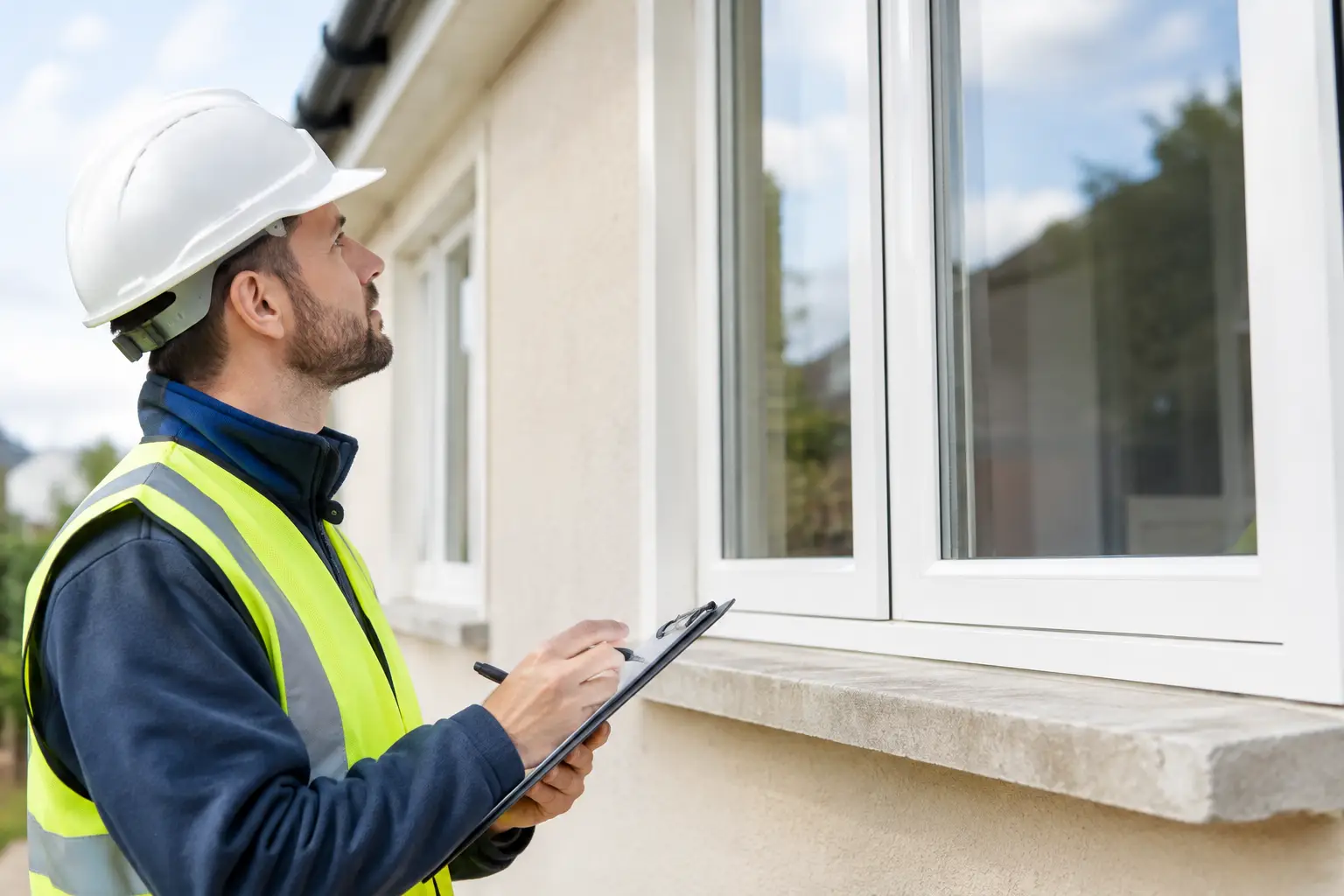
Compliance begins before the fitters arrive. A dependable installer will survey the openings, check the existing construction, discuss ventilation and safety requirements, and confirm the intended finish. Measurements should account for tolerances, frame expansion, packers, insulation and the practical operation of opening sashes and doors.
Before installation, ask how the old frames will be removed, how the surrounding finishes will be protected, and what will happen if concealed defects are found. Replacement work can uncover issues that were impossible to see at quotation stage, particularly in older bays, timber reveals or former conservatory openings. Clear communication makes those situations manageable.
On the day, the installation team should remove and dispose of the old units carefully, fit the new products securely, seal and finish the perimeter appropriately, and check every opening, lock and drainage route. The final handover should include operating guidance, care advice and confirmation of the certification process.
At Kingdom Architectural Glazing Systems, this is approached as part of a wider specification process: choosing a window or door for its style, security and energy performance is only worthwhile when the installation supports those qualities.
What your FENSA certificate does and does not prove
The certificate is valuable evidence of Building Regulations compliance for the registered installation. It is particularly useful when selling your home, as missing paperwork can cause avoidable questions and delays during conveyancing.
It is not the same as a product guarantee, an insurance-backed warranty or a promise that every future issue will be covered. Ask separately about the manufacturer’s product warranty, the installer’s workmanship guarantee and whether insurance-backed protection is offered. Check what is covered, for how long, and the process for raising a concern.
If you cannot find an old certificate, a replacement may be available through the relevant scheme, provided the installation was registered. Do not assume that a certificate can be created retrospectively for unregistered work. The right route depends on when the work was completed and what evidence exists.
Questions worth asking before you accept a quote
A competitive quote should still explain what is included. Confirm whether the installer is registered to self-certify the specific work, whether trickle vents or safety glass are required, and how the proposed system meets thermal standards. For doors and large glazed openings, ask about threshold details, drainage, locking and any structural work.
It is also sensible to ask who is responsible for planning checks and whether the price includes making good to internal plaster, external render or decorations. These are not minor details. They often determine whether a finished project feels properly complete.
The best replacement windows and doors should look effortless once installed. That result comes from careful surveying, suitable products and a compliant fitting process, not from treating certification as an afterthought. Choose an installer who can explain the decisions clearly, retain the paperwork and give your home the standard of workmanship it deserves.
Recent News
25 November 2026
Are Conservatories Usable Year Round? What It Takes
23 November 2026
What Is a Garden Room? Space, Style and Value
21 November 2026
Best Window Styles for Bungalows Compared
19 November 2026
Can Conservatories Add Property Value? What Matters