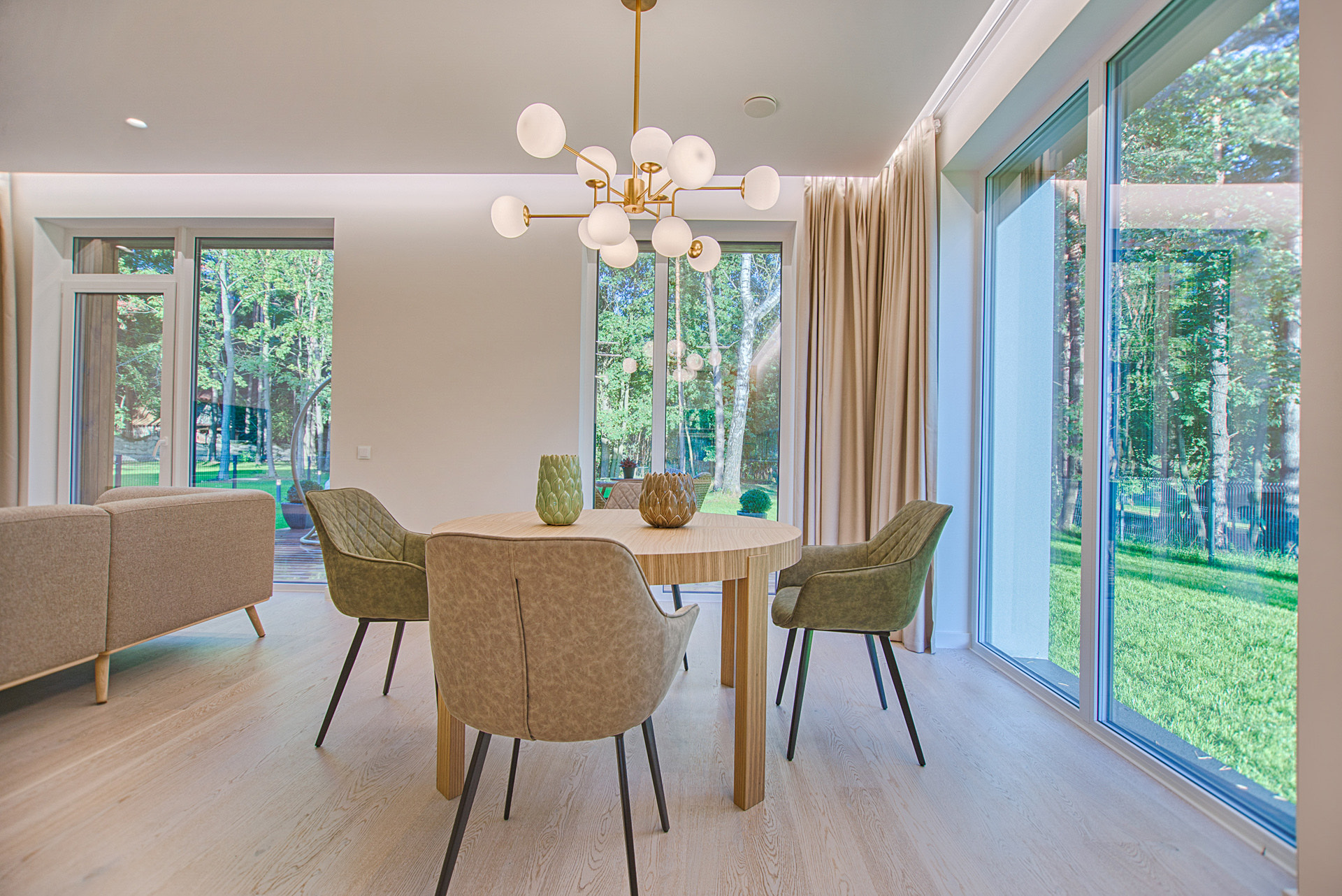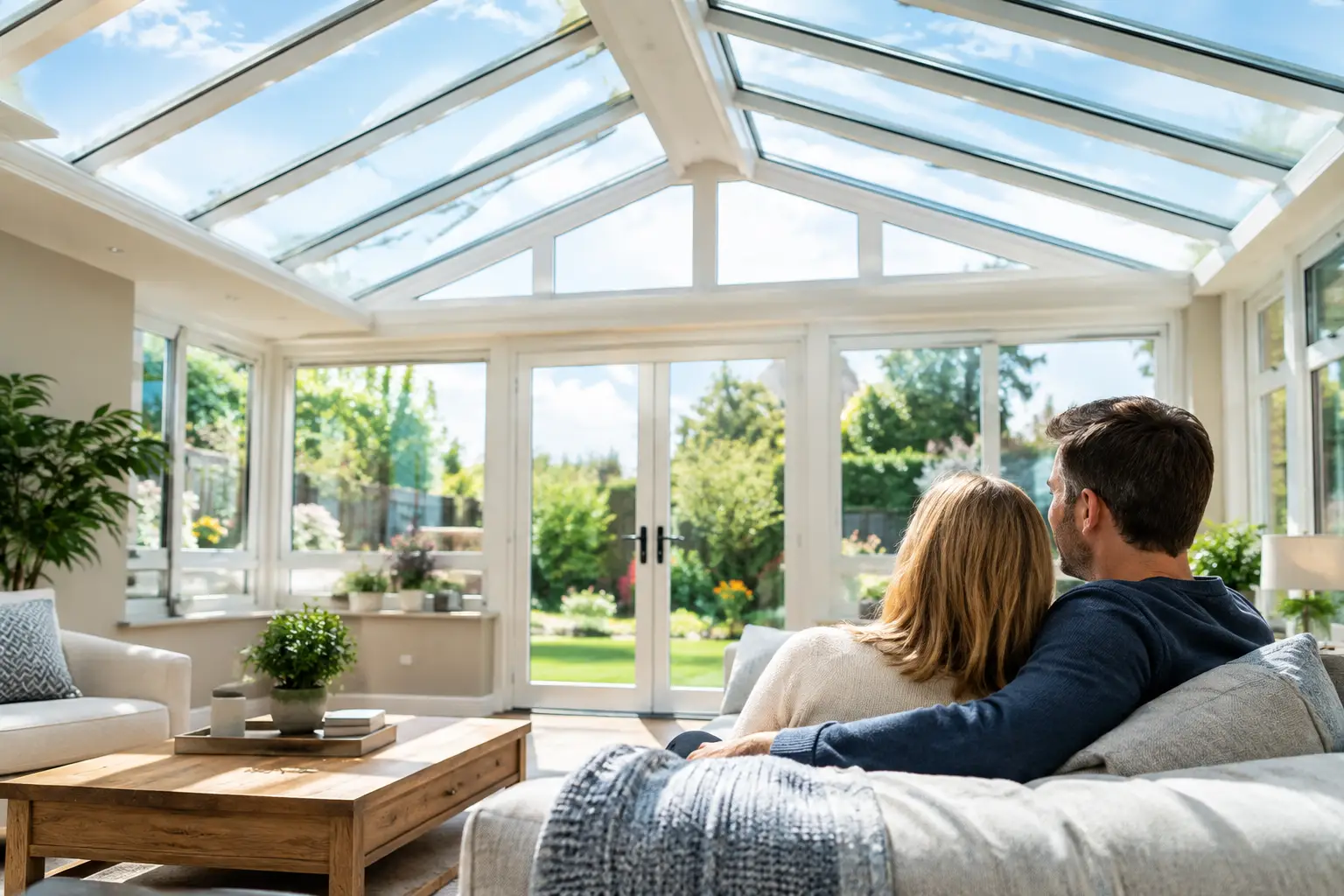
A conservatory that is too hot by lunchtime in July and too cold to enjoy in January is not delivering the extra living space you expected. The most meaningful conservatory roof upgrade benefits come from making the room comfortable for everyday life, rather than treating it as a space to use only when the weather allows.
For many homeowners, the existing frames, doors and base are still in sound condition. It is the roof that lets the whole room down. Replacing it can be a practical alternative to a full rebuild, bringing a tired conservatory into line with the way your family uses the home now.
Why the roof makes such a difference
A conservatory roof covers a large surface area and is exposed to direct sun, rain, wind and changing temperatures throughout the year. Older polycarbonate roofs, in particular, can offer limited insulation and allow noise from rainfall to dominate the room. Even older glazed roofs may not perform like modern systems.
A well-specified replacement roof helps control how quickly heat enters and leaves the space. It can also improve the appearance of the conservatory from inside and out, turning a dated addition into a more considered part of the property.
The right choice depends on the conservatory’s shape, its orientation and the finish you want to achieve. A south-facing room has different demands from one that receives little direct sun, while a Victorian or Edwardian conservatory may suit a different design approach from a contemporary glazed extension.
Conservatory roof upgrade benefits for everyday comfort
The first change most homeowners notice is a more even temperature. A modern insulated tiled roof can significantly reduce overheating in summer and heat loss in colder months. This does not mean a conservatory will behave exactly like a fully insulated brick-built room in every condition, but it can make a substantial difference to how often the space feels pleasant to use.
That opens up more possibilities. The room may become a comfortable dining area, playroom, reading room or place to work from home, rather than somewhere that sits empty for much of the year. When an extension supports daily routines, it earns its place in the home.
Noise reduction is another valuable improvement. Heavy rain on an old polycarbonate roof can make conversation, television and video calls difficult. Insulated roof systems soften that impact, creating a calmer room during poor weather. The difference is especially welcome in neighbourhoods close to busy roads or where rain noise has made the room feel exposed.
There is also the question of glare. Modern roof designs and glazing options can reduce harsh sunlight, helping to protect furnishings from fading and making screens easier to see. If retaining natural daylight is a priority, a solid roof can be designed with carefully positioned roof glazing. This provides a balance between insulation and brightness rather than making the room feel closed in.
A more polished interior
A roof upgrade changes the internal character of a conservatory as much as its thermal performance. A plastered internal ceiling, discreet lighting and a clean perimeter finish can make the room feel more like an integrated extension. It gives homeowners greater freedom with furniture, wall colours and decorative lighting.
The external finish matters too. Lightweight tiles, slate-effect finishes and coordinated fascias can complement the main property rather than looking like an obvious later addition. This is particularly valuable on period homes, where proportion and material choice need careful consideration, as well as contemporary properties where crisp, consistent lines are often preferred.
Energy efficiency and running costs
Improved insulation can reduce the amount of heating needed to keep the room comfortable during colder periods. In turn, better solar control can lessen the reliance on fans or cooling measures in summer. The precise saving will vary with your current roof, heating habits, room size and the rest of the property, so it is sensible to view lower energy use as a likely long-term benefit rather than a fixed promise.
A professionally fitted roof also helps address common weak points, including poorly sealed edges and ageing roof components. However, a replacement roof cannot resolve unrelated problems with old windows, doors, foundations or drainage. A proper survey should assess the full conservatory before recommending the most suitable solution.
For homeowners improving several parts of a property, a roof replacement can sit well alongside new windows and doors. Better-performing glazing around the home helps create a more consistent standard of comfort and appearance, while allowing you to plan improvements in manageable stages.
Choosing between tiled, glass and hybrid roofs
There is no single best conservatory roof for every home. The most suitable option should reflect how you use the room, how much daylight it receives and how closely you want it to match the main building.
A tiled conservatory roof is often chosen by homeowners who want the strongest improvement in insulation, acoustics and year-round comfort. It can create a more extension-like feel and offers a broad choice of external finishes. The trade-off is that it may reduce the amount of overhead daylight unless roof windows are included.
A modern glass roof can be the right choice where retaining an open, light-filled atmosphere is central to the design. High-performance glazing can offer much better solar control and insulation than older units, but glass will generally not provide the same thermal performance or rain-noise reduction as a well-insulated solid roof.
Hybrid designs combine solid insulated sections with glazed panels or roof lantern-style elements. They are useful for rooms where a homeowner wants a warmer, quieter setting without losing the connection to the garden and sky. The design needs to be carefully proportioned, however, so that the room has enough natural light without reintroducing the glare or overheating issues you are trying to solve.
Planning, structure and professional installation
Replacing a conservatory roof is not simply a cosmetic job. The existing structure must be able to support the proposed system, and the design should suit the roof pitch, frames and building layout. A specialist survey identifies whether reinforcement, repairs or a different roof type is required before work begins.
Building regulations and planning considerations may apply, depending on the property and the scale of the alteration. For example, changing a lightweight roof for a more substantial construction can affect the requirements for structural support and thermal performance. A knowledgeable installer will explain the relevant process and ensure the proposal is appropriate for your home.
Workmanship is equally important. Careful fitting, correct weatherproofing and a well-finished internal ceiling determine whether the roof performs as intended over time. Choosing an accredited, experienced installer provides reassurance that the project is being approached as a lasting home improvement, not a quick cover-up.
Kingdom Architectural Glazing Systems helps homeowners across Nottinghamshire and the surrounding counties consider roof options in the context of their whole conservatory, property style and practical needs. That consultative approach matters because the best result is rarely chosen from a brochure alone.
Is a conservatory roof upgrade worth it?
A roof upgrade is often worthwhile when the conservatory has a sound structure but is uncomfortable for large parts of the year. It may also make sense before considering a larger extension, particularly if the footprint already provides the space your household needs.
It is less likely to be the complete answer where the conservatory has significant structural movement, failing windows, water ingress from multiple sources or an unsuitable base. In these cases, a wider refurbishment or replacement may offer better long-term value. An honest assessment at the outset can prevent money being spent on work that does not tackle the real issue.
When planned well, the improvement is about more than a new roof. It is about making a valuable part of your home feel settled, attractive and ready to use on an ordinary Tuesday in February as readily as a sunny weekend in June. Start with a professional survey, ask how the proposed design will manage light and heat, and choose a finish that belongs with your home for years to come.
Recent News
8 October 2026
French Doors for Brighter Garden Living Spaces
6 October 2026
How to Choose Aluminium Bifold Doors That Last
4 October 2026
Heritage Style Aluminium Windows for Period Homes
2 October 2026
Choosing the Best Windows for Period Homes