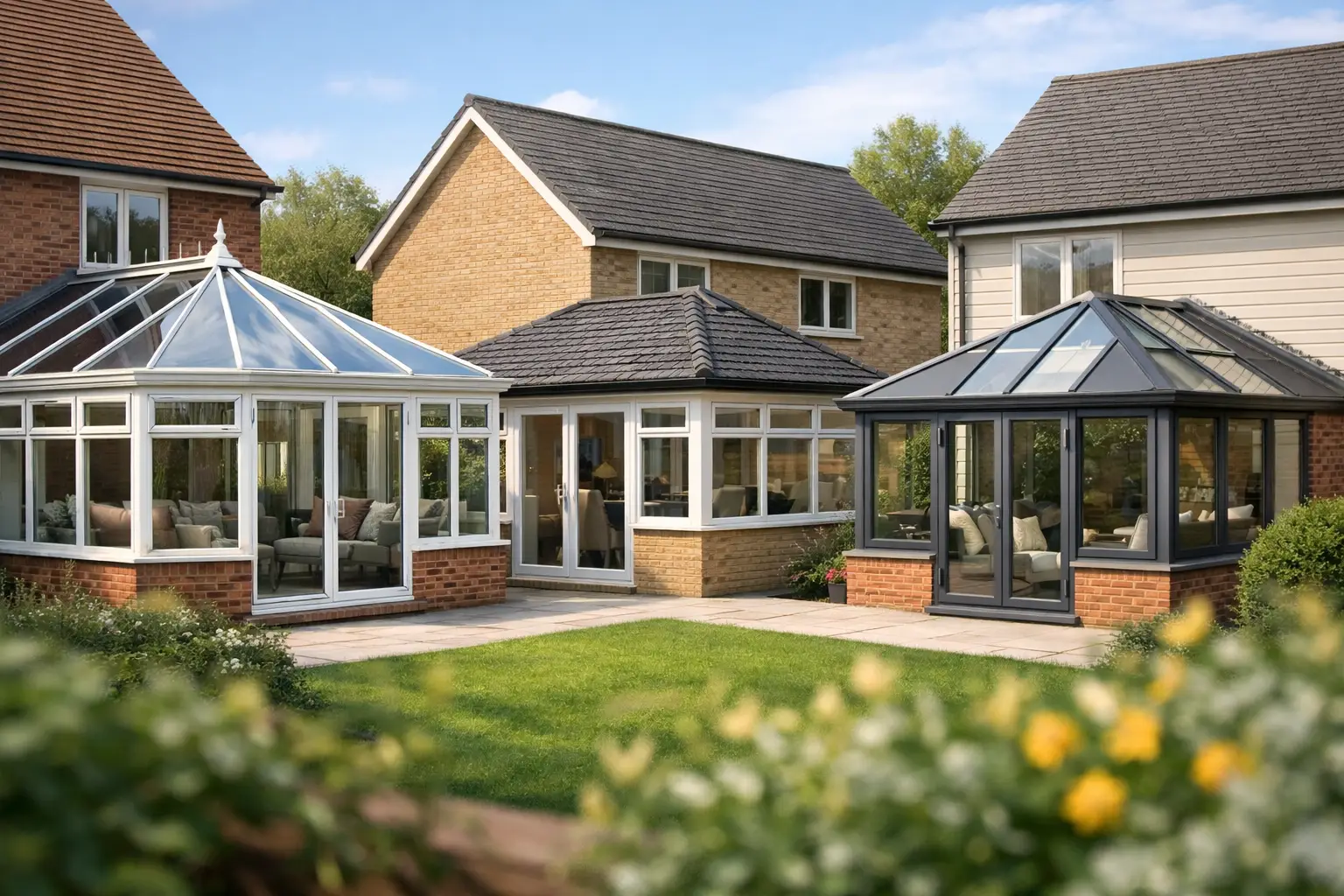
A conservatory that is too hot in July and too cold in January is rarely a problem with the room itself. More often, the roof is the weak point. Choosing between the best conservatory roof options can turn an underused space into a comfortable room for family meals, quiet mornings or year-round entertaining, without losing the light that made a conservatory appealing in the first place.
The right choice depends on how you use the space, the style of your property and the condition of the existing frames and foundations. A premium replacement roof should do more than change the view from inside. It should improve thermal performance, manage glare and rain noise, complement the building, and be installed with the structural care such an upgrade requires.
What makes a conservatory roof right for your home?
There is no single best roof for every conservatory. A homeowner hoping to create a light-filled reading room may prioritise glass and sky views. For a busy family room or home office, consistent temperature control and reduced glare may matter more. The shape of the conservatory also influences what can be fitted, particularly on Victorian, Edwardian, lean-to and bespoke designs.
Before selecting a material, consider whether you want to retain maximum daylight, how much privacy is needed from neighbouring properties, and whether the room needs to feel more like a full extension. It is also wise to have the existing structure assessed. A solid roof weighs considerably more than polycarbonate, so the frames, walls and base must be suitable or reinforced where necessary.
Planning rules and Building Regulations can also apply, especially where an existing conservatory is being altered or the room will be used more like a permanent living space. An experienced installer can explain the practical requirements for your project before work begins.
Best conservatory roof options compared
Glass conservatory roofs
A modern glass roof is often the best choice where natural light and an open connection to the garden are central to the design. Today’s high-performance glazing is far more capable than older conservatory glass. Solar-control coatings can help limit excessive heat gain, while low-emissivity glass supports better heat retention in cooler weather.
Glass also gives a more refined appearance than traditional polycarbonate. It offers clear views of the sky, keeps the room bright on overcast days and can make a modest conservatory feel larger. For period properties, it can preserve the elegant character of an Edwardian or Victorian design; on contemporary homes, clean roof lines and slim glazing bars create a polished finish.
The trade-off is that glass will not provide the same insulation level as a well-designed tiled roof. Large south-facing roofs may still require carefully specified solar-control glazing, blinds or ventilation to avoid glare and overheating. Glass is also a premium investment, but for homeowners who value daylight and visual impact, it is often an excellent long-term upgrade.
Polycarbonate conservatory roofs
Polycarbonate remains a practical roof option, particularly for budget-conscious projects, smaller conservatories or properties where weight needs to be kept low. It is lightweight, durable and available in finishes designed to reduce glare or add privacy.
However, it is usually the least effective option for year-round comfort. Polycarbonate can be noisy during heavy rain, and its insulating performance is generally lower than modern glass or tiled alternatives. It may suit a conservatory used mainly from spring to autumn, but it is less likely to deliver the calm, extension-like feel sought by homeowners planning a major lifestyle upgrade.
Replacing ageing polycarbonate with newer sheets can improve appearance and performance, but it is worth comparing the cost against a glass or solid roof if the aim is to use the room every day.
Tiled and solid conservatory roofs
A tiled roof is the strongest option for changing the character of a conservatory. With insulated panels, a plastered internal ceiling and finishes chosen to complement the main house, it can make the room feel much closer to a conventional extension. It is particularly effective for reducing winter heat loss, summer overheating and the sound of rain.
Externally, lightweight tiles can be selected in colours that work with existing roof coverings, helping the conservatory sit more naturally alongside the property. Internally, integrated spotlights and a clean ceiling finish create a more considered living space, whether it is used as a dining area, playroom or garden-facing lounge.
The main consideration is light. A fully solid roof naturally reduces the amount of daylight entering the room, especially in a north-facing garden or a conservatory shaded by mature trees. It is also essential that the supporting structure is professionally assessed. A quality installation is never simply a case of placing a heavier roof on existing frames.
Hybrid roofs with glass panels
For many homes, a hybrid roof offers the best balance. This design combines insulated solid sections with purpose-positioned glass panels, allowing you to retain daylight where it matters while gaining the comfort of a more insulated roof.
A central glass panel, a run of roof glazing along the house wall or panels placed above seating areas can prevent the room from feeling enclosed. At the same time, the solid sections reduce solar gain and improve thermal efficiency over a predominantly glazed roof. This approach is especially useful for larger conservatories where a full glass roof may feel too exposed, yet a fully tiled roof could make the space noticeably darker.
A hybrid design needs careful planning. The placement, size and specification of each glazed panel should respond to the orientation of the room, the garden view and the amount of daylight already available through the side windows and doors.
Lantern roofs for orangery-style spaces
A roof lantern is not usually a direct replacement for a typical conservatory roof, but it is an attractive option when creating or remodelling an orangery-style glazed extension. The surrounding insulated roof structure provides the comfort and solidity of an extension, while the raised lantern draws daylight deep into the room.
This is often suited to homeowners seeking a more architectural finish, particularly where the new space opens into the kitchen or main living area. Slimline aluminium lantern designs can add a crisp contemporary focal point, while sympathetic proportions work beautifully with traditional homes.
As with a solid roof, this route may involve more extensive building work than a straightforward replacement. It is best considered as part of a broader extension, orangery or renovation project rather than a like-for-like conservatory roof change.
Choosing for warmth, light and orientation
The direction your conservatory faces should influence the specification. South- and west-facing rooms receive strong afternoon and summer sun, so solar-control glass, solid sections or a hybrid roof can make a substantial difference to comfort. North-facing conservatories receive softer light and may benefit from retaining larger glazed areas, paired with thermally efficient glass to limit heat loss.
East-facing rooms are bright in the morning and typically easier to manage later in the day. Even so, ventilation remains important. Opening roof vents, opening windows and well-designed doors help release warm air and make the space more pleasant throughout the year.
Do not choose a roof solely by its headline insulation figure. The performance of the whole conservatory matters, including the quality of the frames, glazing, seals, ventilation and installation. A well-specified roof fitted to tired, poorly sealed frames may not achieve the transformation you expect.
Style should follow the house, not fashion
The best replacement roof should look as though it belongs to the property. For a traditional Nottinghamshire home, a tiled roof in a complementary shade or a carefully proportioned glass roof can respect existing character. For a newer build or contemporary renovation, slim aluminium details, clean lines and a hybrid roof can create a more modern architectural statement.
Inside, think about how the roof finish works with the rest of the home. A plastered ceiling with discreet lighting can make a conservatory feel integrated with an adjacent kitchen or living room. A glass roof keeps the garden and changing sky as part of the interior experience. Neither approach is automatically better – the deciding factor is the atmosphere you want the room to create.
Why professional design and installation matter
A conservatory roof replacement affects structure, drainage, weatherproofing and thermal performance. Accurate survey work is essential, particularly where the original conservatory is older or has been altered over time. The roof must be designed for the exact dimensions and loading requirements of the existing structure, with reliable flashings and drainage details where it meets the house.
Kingdom Architectural Glazing Systems takes a consultative approach because the right answer is rarely chosen from a brochure alone. A detailed assessment of the room, its orientation and your intended use helps ensure the finished roof looks right, performs properly and represents lasting value.
If your conservatory has become a room you avoid for part of the year, start by deciding what you want it to become. That single decision will make the choice between glass, tiled and hybrid roof systems far clearer – and help create a space you are genuinely pleased to use every day.
Recent News
8 October 2026
French Doors for Brighter Garden Living Spaces
6 October 2026
How to Choose Aluminium Bifold Doors That Last
4 October 2026
Heritage Style Aluminium Windows for Period Homes
2 October 2026
Choosing the Best Windows for Period Homes