A new window should do more than fill an opening. It should sharpen the character of your property, make rooms more comfortable through the seasons and provide the security you expect from a long-term investment. This aluminium windows buying guide focuses on the decisions that make the greatest difference – from frame design and glazing to survey, installation and value over time.
Aluminium has become a leading choice for homeowners planning contemporary extensions, renovations and whole-house window replacements. Its naturally strong profile can support large panes of glass with slimmer sightlines than many alternative materials, allowing more daylight and clearer views. Yet the best choice is not simply a matter of selecting an aluminium frame. The specification needs to suit your home, its orientation, its architecture and the way you live in it.
Why choose aluminium windows?
Aluminium is valued for its strength, clean lines and long service life. Because the material is so rigid, it can create refined frames that complement modern builds particularly well, while carefully chosen designs can also sit comfortably within period renovations and traditional properties.
The practical appeal is just as compelling. Quality aluminium windows are resistant to warping, swelling and rot, so they cope well with changing British weather and need very little maintenance beyond occasional cleaning. A durable powder-coated finish keeps its appearance for years and offers considerably more colour freedom than a standard white window.
The trade-off is usually initial cost. Aluminium is commonly a more premium investment than uPVC, especially where bespoke sizes, specialist glazing or designer hardware are involved. For many homeowners, its longevity, slim profiles and architectural impact justify that difference. Where budget is the overriding concern, however, a high-quality uPVC system may be the more proportionate choice.
Aluminium windows buying guide: start with the right style
The starting point should be the architecture of your home, not a sample frame in isolation. A striking minimal frame can look exceptional across a contemporary rear extension, but an older cottage may call for a softer profile, sympathetic glazing-bar layout or a heritage-style colour.
Casement windows
Casement windows remain the most versatile option for British homes. They can be configured with side-hung, top-hung or fixed sections to suit ventilation, access and the proportions of each elevation. Aluminium casements work especially well when you want a neat, uncluttered appearance and generous glass areas without altering the familiar feel of the property.
Consider how and where each sash will open. A wide opening can be useful for ventilation and cleaning, but a projecting sash beside a path, patio or seating area may not be practical. In some rooms, fixed panes paired with smaller opening lights give a more balanced appearance and can reduce unnecessary hardware.
Fixed picture windows and feature glazing
A fixed aluminium window is often the answer where light and views matter more than ventilation. Picture windows can frame a garden, brighten a stairwell or form part of a glazed extension with very little visible frame. Their simplicity can also make them more cost-effective than a large opening configuration.
For feature glazing, ask to see drawings showing sightlines from inside and out. Mullions, transoms and opening sections have a major effect on the finished result. A well-planned arrangement feels intentional; an afterthought can interrupt the view you were trying to create.
Heritage and traditional detailing
Aluminium need not mean ultra-modern. The right system can be specified with a more traditional profile, slim glazing bars and carefully selected furniture. Darker tones often create a smart, architectural contrast, while muted greens, greys and off-whites can work well on character properties.
Planning restrictions may apply in conservation areas or to listed buildings. Speak to your installer early if your home falls into either category, as the profile, opening arrangement and finish may need to meet particular requirements.
Look beyond the frame at thermal performance
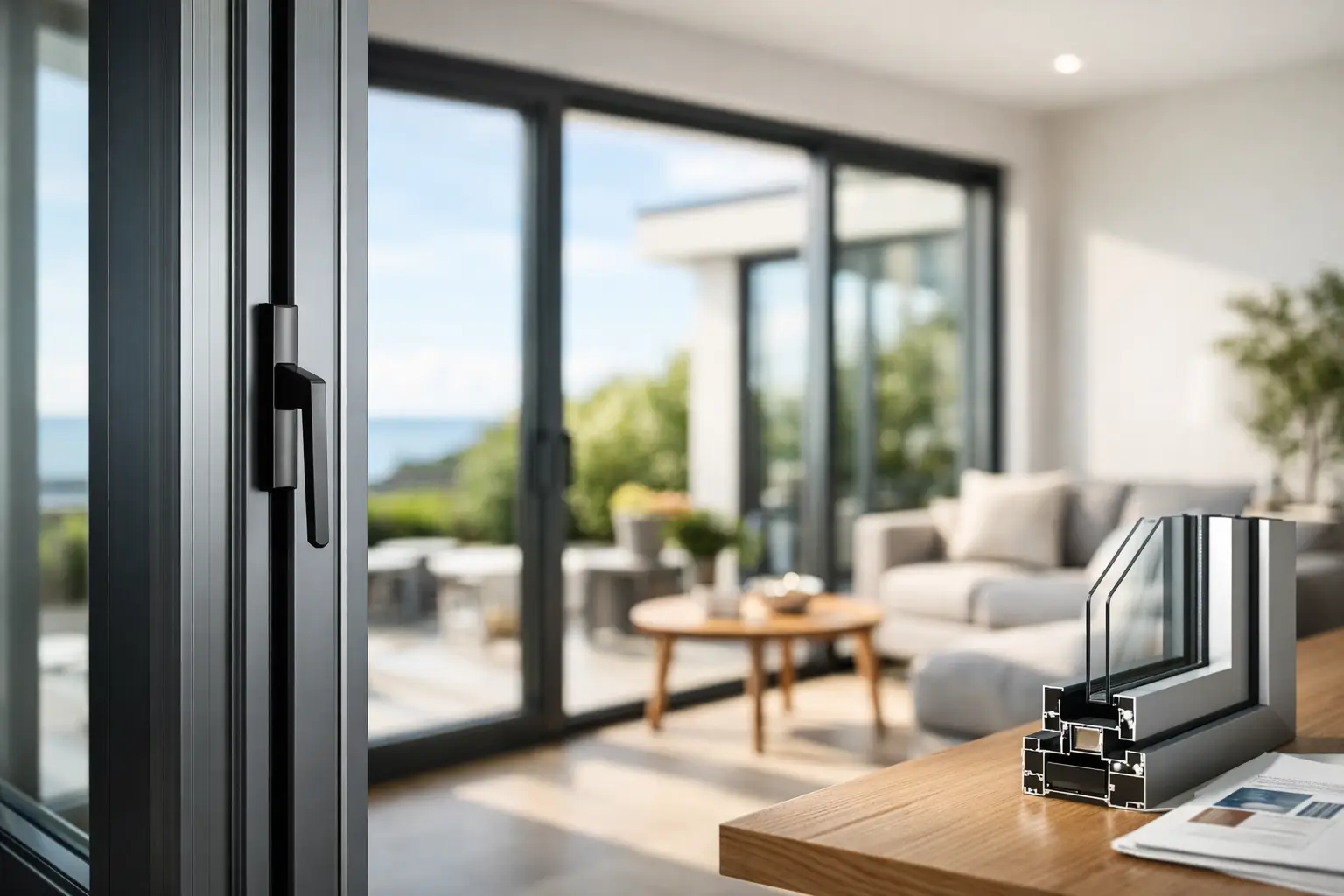
Older aluminium windows gained a reputation for feeling cold, but modern systems are very different. Premium aluminium frames use a thermal break – an insulating barrier within the profile that reduces the transfer of heat between the inside and outside faces of the frame.
The glass remains equally important. Double glazing with a low-emissivity coating and an insulating gas-filled cavity is a strong baseline for most replacement projects. Triple glazing may improve insulation further, but it is not automatically the best answer for every property. It adds weight, can change the appearance of slimmer systems and may offer less noticeable benefit where other areas of the building, such as walls or the roof, are the main source of heat loss.
Ask for the whole-window performance, rather than focusing only on the centre-pane value of the glass. A window’s U-value takes the frame and glazing into account, giving a more meaningful view of heat loss. Your installer should also ensure the specification meets current Building Regulations and is suitable for the location of the window.
Solar gain deserves attention too. South- and west-facing elevations can become very warm in summer when fitted with large glazed areas. Solar-control glass, suitable shading and thoughtful window placement may be more valuable than simply choosing the lowest possible U-value.
Security is a system, not a single feature
A well-made aluminium frame is inherently strong, but security depends on the complete window system. Look for multi-point locking, secure hinges, internal beading where appropriate and quality handles. Laminated glass may be worth considering in more vulnerable locations, such as easily accessible ground-floor windows or glazing beside doors.
It is also sensible to discuss ventilation alongside security. Modern homes need controlled airflow, and trickle vents may be required depending on the project and ventilation strategy. The right solution should provide fresh air without making the room feel exposed or compromising the appearance of the window.
Choose colour and hardware for the long term
Colour samples can look very different outside, particularly on north-facing elevations or in strong sunlight. View them against your brickwork, render or cladding wherever possible. Anthracite grey and black remain popular choices, but they are not the only routes to a premium finish. Softer greys, metallic shades and heritage-inspired colours can be just as effective when chosen to suit the building.
Powder coating provides a tough, low-maintenance surface, but ask about the warranty and the finish specification. Coastal or exposed locations may require additional consideration because of harsher conditions. If you are matching existing doors, roofline details or bifold doors, confirm the exact colour reference rather than relying on a description alone.
Hardware deserves the same care. Handles should feel solid, sit comfortably in the hand and suit the style of the frame. A small detail, such as the finish of a handle, can either tie a scheme together or stand out for the wrong reasons.
The survey and installation matter as much as the product
Even the finest aluminium windows will underperform if they are measured or fitted poorly. A professional survey confirms opening sizes, structural conditions, drainage, internal finishes, external reveals and the practicalities of access before manufacturing begins. It is the stage where potential problems should be identified, not discovered on installation day.
Ask your installer how the windows will be sealed, insulated and finished internally and externally. Good fitting protects thermal performance, reduces the chance of draughts and helps create a clean final appearance. On a larger renovation or extension, window installation should also be coordinated carefully with plastering, cladding, steelwork and flooring levels.
For homeowners in Nottinghamshire, Lincolnshire, Leicestershire, Derbyshire and Rutland, working with an experienced, accredited local specialist also brings reassurance should you need advice after fitting. Kingdom Architectural Glazing Systems approaches each project as a complete specification, helping homeowners balance design ambition with practical performance and professional installation.
Questions to ask before accepting a quote
A clear quote should explain exactly what is included. Do not compare headline prices alone if one proposal includes a higher-performing glazing specification, better hardware, removal of old frames, making good, trickle vents or a more comprehensive warranty.
Before proceeding, establish the frame system and colour, glazing type, opening configuration, security features, lead time, installation scope and aftercare arrangements. Also ask who will manage Building Regulations compliance and what certification you will receive when the work is complete. These details protect you from unwelcome variations later.
Aluminium windows reward careful choices. Take time to consider them from the pavement, from inside the room and in the context of how your home will change over the next decade. The right specification will feel less like a replacement window and more like a lasting improvement to the way your property looks, performs and feels.
Recent News
8 September 2026
Conservatory Roof vs Tiled Roof – Which Is Best?
4 September 2026
French Doors vs Patio Doors: Which Is Better?
2 September 2026
How to Reduce Window Draughts in Your Home
31 August 2026
Does Triple Glazing Reduce Noise at Home?