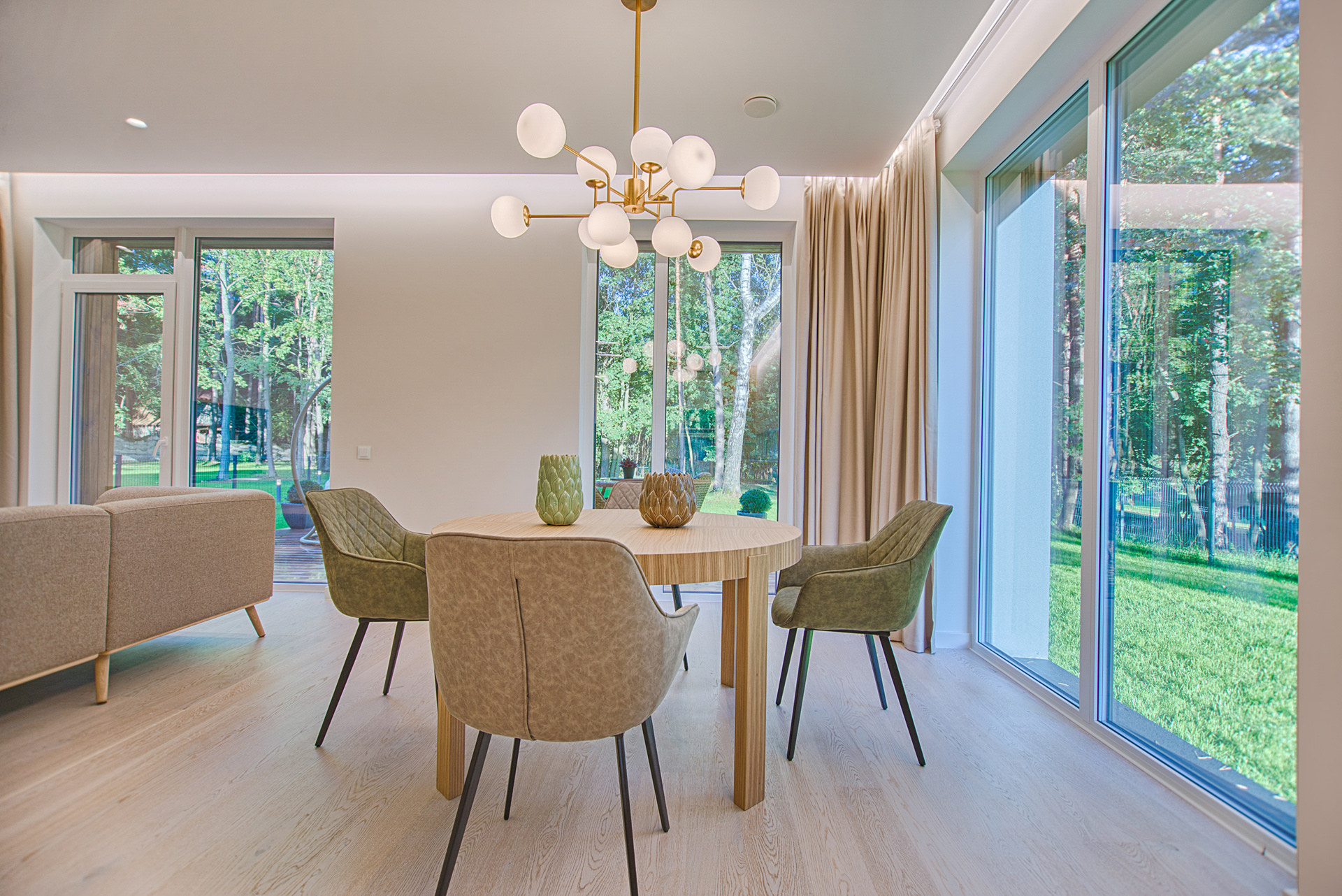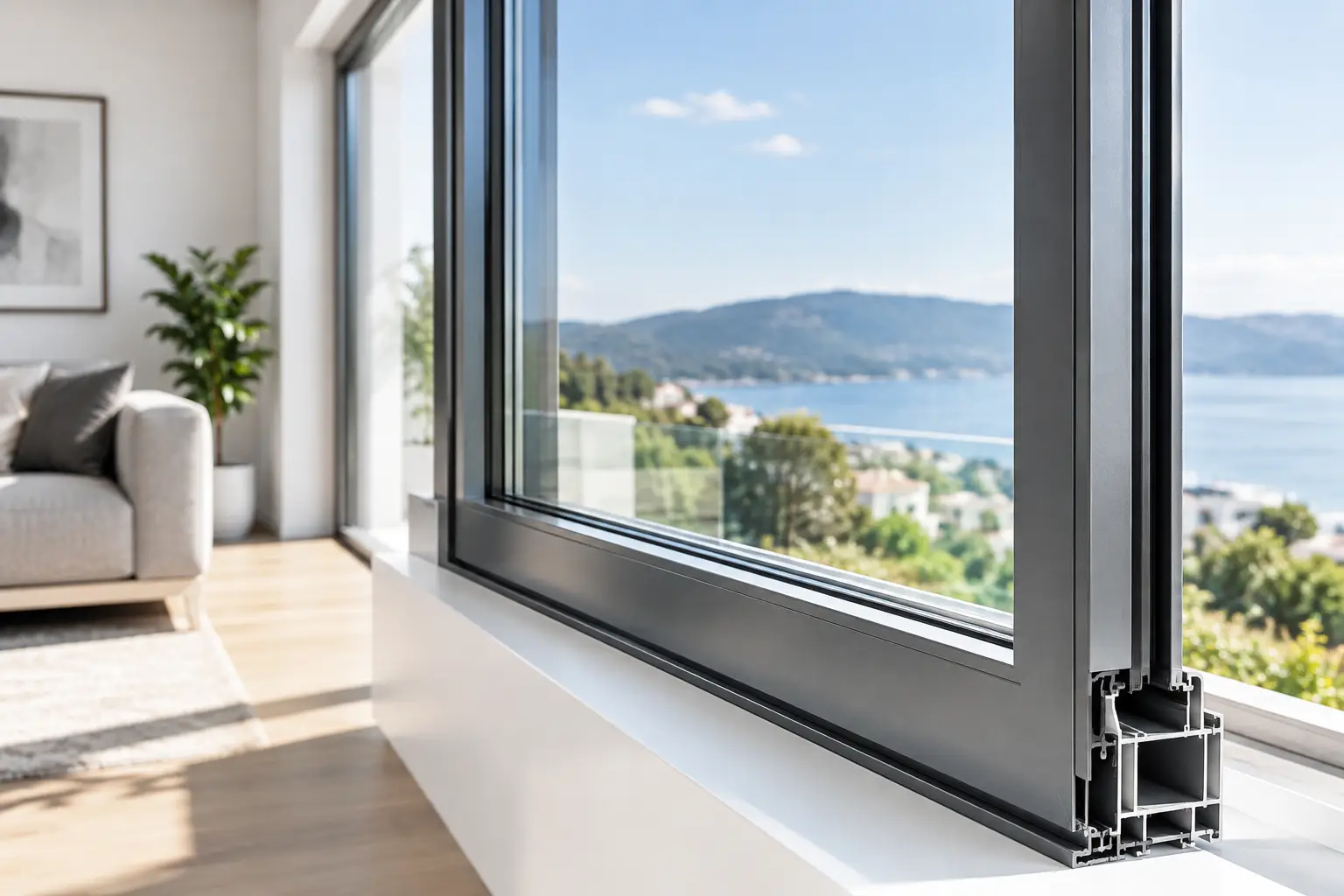
A wide glass opening can transform an extension, but it also places real demands on the frame around it. The material needs to support the glazing, resist years of weather and daily use, and still look refined from both inside and outside. If you are asking, “why is aluminium used for window frames?”, the short answer is that it delivers exceptional strength with a clean, slim appearance – without asking homeowners to compromise on energy efficiency or security.
For renovations, self-builds and contemporary extensions, aluminium has become a leading choice where design matters as much as day-to-day performance. It is especially well suited to larger windows, feature glazing and doors that bring more natural light into the home.
Why is aluminium used for window frames?
Aluminium is used because it is strong, durable, low maintenance and highly adaptable in design. Unlike heavier-looking frame materials, it can support large panes of modern double or triple glazing with comparatively narrow profiles. That means more glass, broader views and a brighter room.
It is also a material that performs well in the British climate. Quality aluminium window systems are designed to handle rain, wind, changing temperatures and strong sunlight without warping, swelling or rusting. For homeowners investing in a lasting improvement, that consistency is a significant advantage.
The quality of the system and the installation remain just as important as the material itself. A premium frame, correctly specified for the opening and professionally fitted, is what delivers the finish, weather performance and long-term reliability you expect.
Slim sightlines create a stronger architectural look
One of aluminium’s most visible benefits is its strength-to-weight ratio. Because the material is naturally strong, manufacturers can create slimmer frame sections than are practical with many alternative materials. The result is a lighter visual effect around the glass.
This makes a particular difference in modern extensions, kitchen-diners and garden-facing rooms. Large fixed windows can frame a view without feeling heavy, while aluminium casement windows can give a clean, contemporary elevation to a whole property. On period homes, the right design and colour can also create a more considered contrast between original character and a carefully planned new addition.
Slim frames are not only about appearance. More visible glass allows more daylight into the room, which can make a compact space feel more open and better connected to the garden. Where planning an orangery, conservatory or glazed extension, this is often one of the reasons homeowners move towards aluminium.
A material made for larger glazed areas
As glazing sizes increase, frame strength becomes more important. Aluminium is well suited to wide window combinations, tall feature windows and shaped openings because it can support substantial glass units while retaining tidy proportions.
That does not mean every window needs to be aluminium. A small replacement window in a traditional property may be equally well served by a high-quality uPVC or timber-effect solution. Aluminium comes into its own when you want a more minimal frame, larger glass areas or a distinctly architectural finish.
Modern aluminium frames are energy efficient
A common misconception is that aluminium frames are cold because metal conducts heat. That was a fair concern with older systems, but modern aluminium windows are engineered very differently.
Quality frames use a thermal break – an insulating barrier built into the profile that separates the inner and outer sections of aluminium. This greatly reduces heat transfer through the frame. Combined with high-performance double or triple glazing, warm-edge spacers and appropriate glass specification, an aluminium window can achieve excellent thermal performance.
For a Nottinghamshire home exposed to winter winds or a new extension with extensive glazing, it is worth looking beyond a single headline figure. The overall window performance depends on the frame, glass, seals, installation and the way the opening is detailed. Solar gain matters too. South-facing glazing may bring welcome warmth and light, but it can require solar-control glass or shading to maintain comfort in summer.
A glazing specialist should assess the room, orientation and how you intend to use the space before recommending a specification. This is more useful than choosing solely on the basis of the lowest quoted price or one advertised U-value.
Durability that suits busy homes
Aluminium does not rot, swell or crack in the way some materials can over time. It is also resistant to corrosion, making it a dependable choice for exposed elevations and properties that face regular wind-driven rain.
The powder-coated finish is another practical benefit. Rather than relying on a surface paint that needs frequent attention, quality aluminium frames have a durable factory-applied coating available in a wide range of colours and finishes. Anthracite grey remains popular, but black, white, heritage shades and bespoke RAL colours can all create very different results.
Maintenance is straightforward. Routine cleaning with mild soapy water and a soft cloth will usually keep frames looking their best. Moving parts and drainage channels should be checked as part of normal home maintenance, particularly after autumn leaf fall, but there is no regular painting or staining programme to plan around.
Security is built into the complete window system
A window frame is only one part of home security, yet its role is fundamental. Aluminium provides a stable base for multi-point locking, secure hinges and internally beaded glazing. Premium systems are designed and tested as complete units, with hardware, glazing and frame construction working together.
For ground-floor windows, accessible side elevations and contemporary homes with large glazed areas, this reassurance matters. Security should never be treated as an optional upgrade added at the end of a project. It needs to be considered alongside opening styles, fire escape requirements, ventilation and the practical needs of the household.
The best choice may differ between rooms. For example, a fixed picture window can maximise glass and light where ventilation is not required, while an opening casement or tilt-and-turn configuration may be more appropriate for a bedroom or first-floor room. Good design balances those decisions rather than applying one solution everywhere.
Aluminium offers greater freedom over colour and style
Aluminium does not have to mean a stark industrial look. Its versatility is one reason it suits both contemporary and more traditional properties. A slim black frame can complement an extension with clean lines and large openings, while softer heritage colours can work beautifully with brick, stone and established architecture.
Many homeowners choose a different finish inside and out. A darker external colour can sharpen kerb appeal, while a lighter internal finish keeps rooms calm and bright. This flexibility is useful when matching new windows to existing doors, roof lanterns, bifolds or sliding doors.
The key is proportion. The best aluminium windows look as though they belong to the property, rather than being selected from a showroom in isolation. Consider the colour of the brickwork, roof, guttering and internal finishes, as well as the sightlines of any adjacent doors or glazing.
Are there any drawbacks to aluminium windows?
Aluminium is a premium material, so it will often cost more upfront than standard uPVC. It is also essential to choose a thermally broken system from a reputable manufacturer. An inferior or outdated profile can undermine the energy-efficiency benefits that make modern aluminium so appealing.
There is also an aesthetic consideration. Some homeowners prefer the deeper, softer appearance of traditional timber or the familiar proportions of uPVC, particularly on cottages and heritage-style homes. Aluminium can be adapted to many styles, but it is not automatically the right answer for every elevation or budget.
This is why product selection should start with the property and the project goals. Think about whether your priority is maximum glass, a period appearance, low maintenance, enhanced insulation, a particular colour or a coordinated set of windows and doors. A tailored recommendation will usually produce a better result than choosing a material first and trying to make everything else fit.
Choosing aluminium windows with confidence
When comparing aluminium windows, ask about the thermal break, glass options, locking hardware, drainage, finish warranty and the experience of the installation team. It is also sensible to view samples or completed installations where possible. A well-made aluminium frame should feel precise, close cleanly and have an even, high-quality finish at every corner.
At Kingdom Architectural Glazing Systems, the focus is on helping homeowners choose glazing that suits their property, ambitions and budget, then fitting it with the care a premium product deserves. Whether the project is a single statement window or a full extension, the details of design and installation make the difference.
Aluminium earns its place when you want your windows to do more than fill an opening. Choose a well-specified system, proportion it carefully and let the glass, light and craftsmanship bring the space to life.
Recent News
25 November 2026
Are Conservatories Usable Year Round? What It Takes
23 November 2026
What Is a Garden Room? Space, Style and Value
21 November 2026
Best Window Styles for Bungalows Compared
19 November 2026
Can Conservatories Add Property Value? What Matters