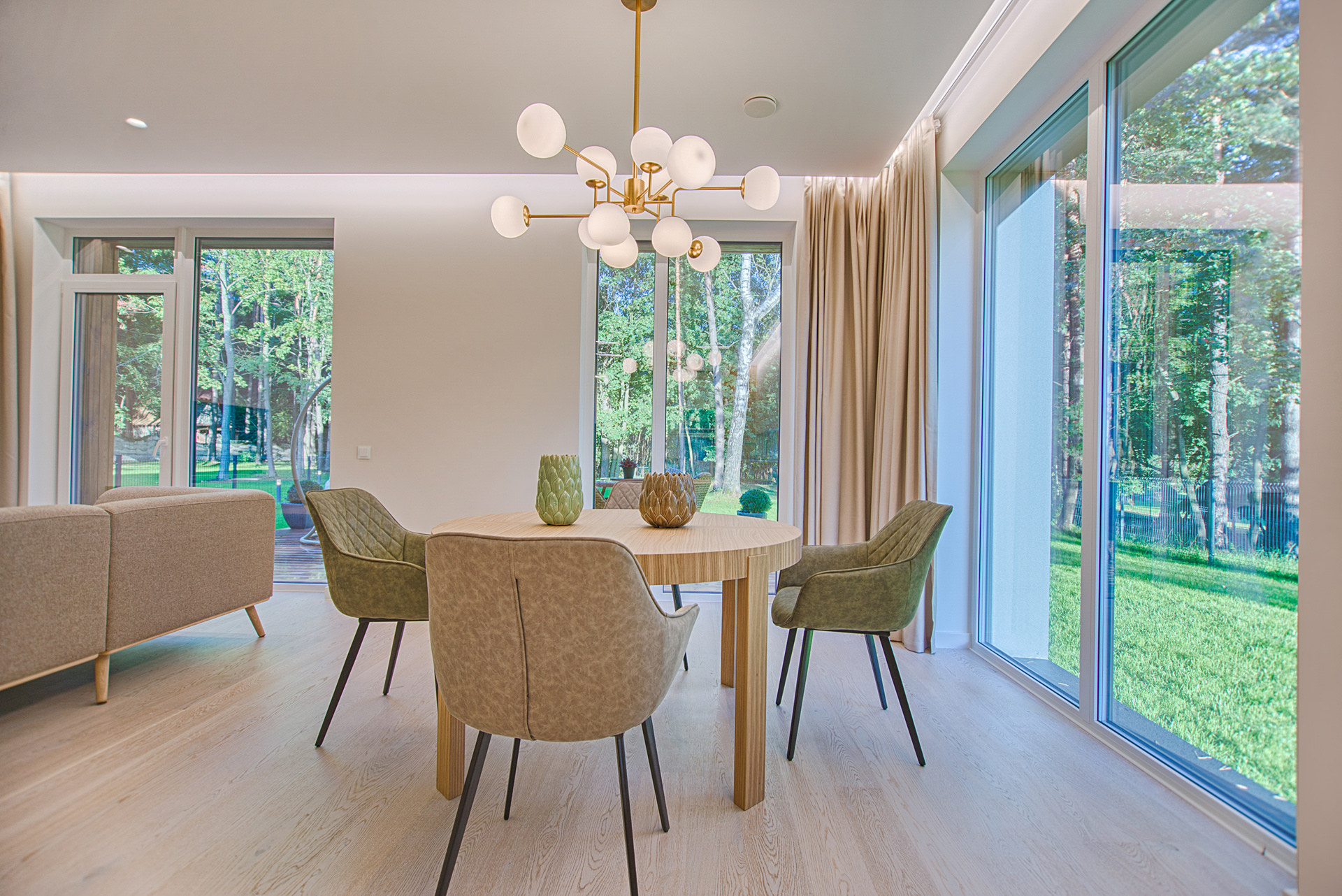
A large expanse of glass can be the feature that transforms a home – bringing daylight into an extension, opening a kitchen to the garden or giving a front entrance real presence. It also needs careful specification. Security glass for homes is not simply thicker glass: it is part of a considered system that should protect the property without compromising the light, views and refined finish that made you choose glazing in the first place.
For homeowners investing in new windows, doors or a glazed living space, the right answer depends on where the glass sits, how the opening is used and the level of protection required. A ground-floor side window, a set of slimline sliding doors and a first-floor bathroom window do not face the same risks or need the same specification.
What makes glass a security option?
The phrase security glass is often used broadly, but different glass types perform very differently under impact. The key distinction is between glass designed to break safely and glass designed to resist forced entry.
Toughened glass is heat-treated to be considerably stronger than ordinary annealed glass. If it does break, it fractures into small, relatively blunt pieces rather than dangerous shards. That makes it an essential safety choice in many locations, including doors, low-level glazing and certain rooflights. However, while toughened glass is strong, it can still break away from the frame after a sufficiently forceful impact. It should not automatically be treated as an anti-intrusion solution.
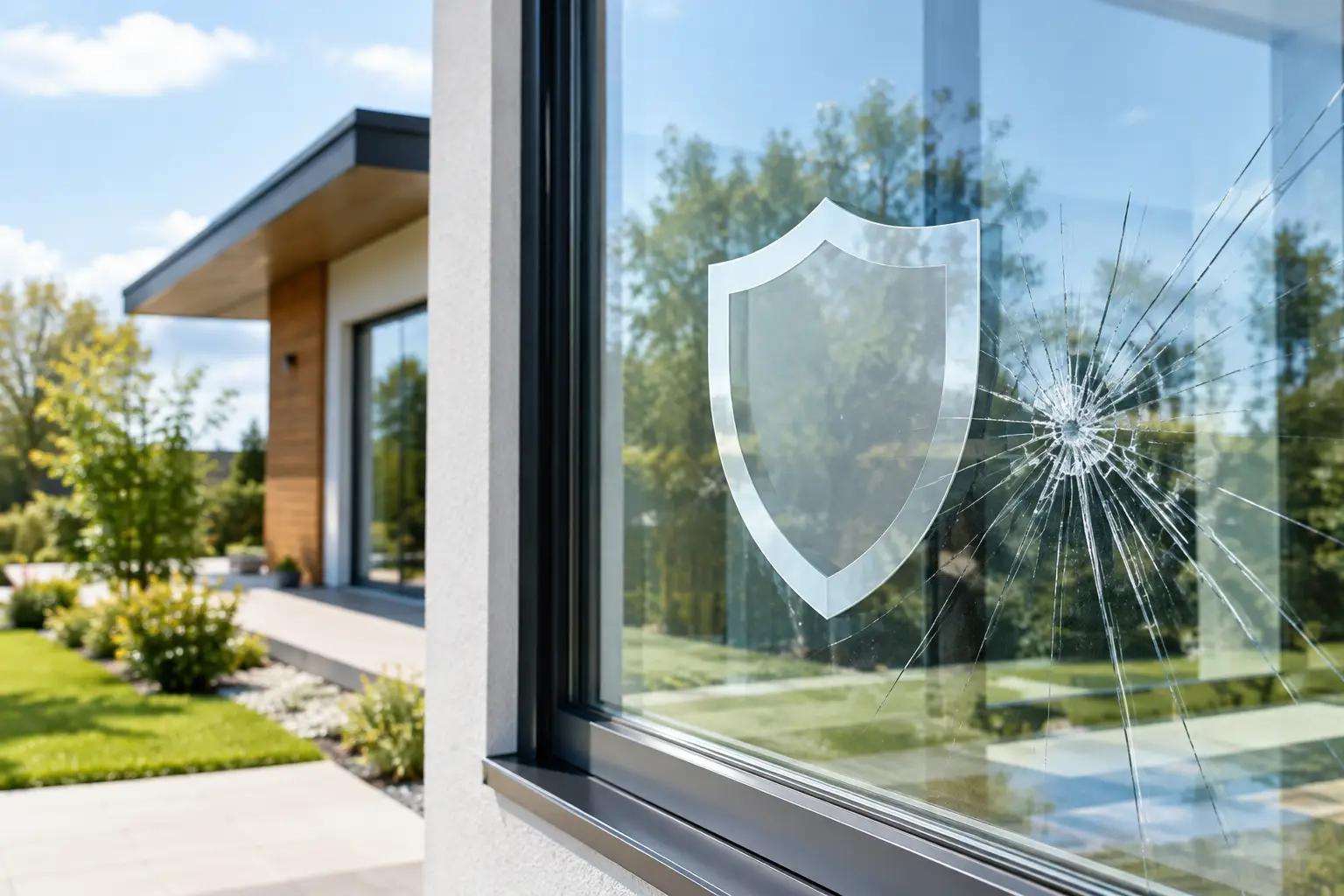
Laminated glass is made from two or more panes bonded with a clear interlayer. When damaged, the interlayer helps hold the broken glass in place. This makes it far more difficult to create an opening quickly, while also reducing the risk of shattered glass falling into or out of the property. For exposed windows, glazed entrance doors and large ground-floor panels, laminated glass is often the more appropriate security-led choice.
Higher-specification laminated units can use thicker panes, multiple interlayers or specialist constructions to provide greater resistance. The correct level should be selected for the application, not chosen on thickness alone. The surrounding frame, bead, hinges, locks and installation are equally important.
Where security glass for homes makes most sense
Ground-floor and easily accessible glazing is the natural starting point. This may include side and rear windows, French doors, bifolds, sliding doors and glazed panels close to an entrance. Properties with secluded gardens, side passages or openings that are less visible from the road may also benefit from a more security-focused specification.
Glazed extensions deserve particular attention. Their appeal lies in wide views and generous glass areas, but that can mean more accessible panels than in a conventional room. Laminated panes can be specified within doors or fixed screens without turning the space into something that feels heavy or defensive. With the right framing and sightlines, the finish remains clean and architectural.
Security glass can also be valuable near valuables or vulnerable rooms, such as a home office with equipment, a utility room accessed from the side of the house or a rear entrance that is regularly used but not overlooked. For upper-floor windows, safety glazing may be the principal concern rather than intrusion resistance.
There is no need to apply the highest specification to every pane. A thoughtful glazing survey identifies the areas of genuine risk and directs the budget where it will have the greatest effect.
Security is a whole-window and door decision
Even the best laminated pane cannot compensate for a poorly specified frame or weak locking arrangement. Security performance comes from the complete product: glass secured in the sash or door leaf, durable hardware, reinforced sections where required and a precise installation that leaves no exploitable gaps.
For replacement windows and doors, ask whether the proposed product has been independently tested as a complete system to a recognised security standard, such as PAS 24 where applicable. This gives more meaningful reassurance than focusing on a single component. Multi-point locking, quality cylinders on external doors and hinges designed to resist attack all form part of the picture.
Installation matters just as much. Glazing must be correctly packed, secured and sealed so that it performs as intended over years of daily use. An experienced installer will also assess the existing opening, wall condition and drainage details, rather than treating a premium window or door as a simple like-for-like swap.
Do not overlook comfort, efficiency and appearance
A security upgrade should still support the wider goals of a home improvement project. Laminated glass can provide useful acoustic benefits, particularly where a property is near a main road or busy neighbourhood. When incorporated into a double- or triple-glazed unit with suitable coatings and gas filling, it can also work alongside strong thermal performance.
The specification needs balance. Additional panes and interlayers add weight, which can affect the size of opening sections, hardware requirements and cost. Large sliding or folding door panels require careful engineering so that they remain smooth and reliable in everyday operation. This is one reason why glass, frame and hardware should be designed together rather than selected as separate upgrades.
Appearance need not suffer. Modern laminated glass is typically clear and discreet, while options such as obscure, patterned or tinted glass can be used where privacy is also a priority. In a period property, carefully chosen glazing can retain a traditional character. In a contemporary extension, slim aluminium frames and large insulated units can preserve the light, minimal look homeowners expect.
Safety glass and security glass are not identical
It is easy to confuse building-safety requirements with enhanced security. Certain locations require safety glazing because people could fall against it or because breakage could cause injury. Doors, sidelights, low-level windows and balustrades are common examples. Toughened or laminated glass may be used to meet these requirements, depending on the setting.
A glass balustrade, for instance, must be specified for its structural role as well as its breakage behaviour. A rooflight needs consideration for overhead safety, weather resistance, insulation and loading. These are specialist applications, and the right glass build-up can differ considerably from that used in a secure ground-floor window.
If security is your primary concern, make that clear at the design stage. Your installer can then distinguish between the minimum safety requirement and a specification intended to delay or deter forced entry.
Questions to ask before you choose
Before approving a quotation, ask what glass is proposed for each location and why. A clear answer should explain whether it is toughened, laminated or another specialist unit, rather than simply describing it as strengthened glass.
It is also worth asking how the window or door performs as a complete system, what locking hardware is included, and whether larger panels will need upgraded hinges, rollers or frame sections. For a renovation or extension, consider sightlines from the garden, access routes around the property and how the new glazing will connect with existing security measures such as lighting, alarms and fencing.
Finally, look beyond the day of installation. Quality frames, sealed units and hardware should be backed by appropriate warranties and fitted with care. The long-term value comes from glazing that continues to look right, operate correctly and protect the home year after year.
A well-designed home should feel open and welcoming, not over-fortified. By specifying security glass only where it adds real value and pairing it with high-quality windows or doors, you can enjoy brighter spaces with greater confidence. For projects across Nottinghamshire and the surrounding counties, Kingdom Architectural Glazing Systems can help turn those practical decisions into a glazing solution that suits the property beautifully.
Recent News
25 November 2026
Are Conservatories Usable Year Round? What It Takes
23 November 2026
What Is a Garden Room? Space, Style and Value
21 November 2026
Best Window Styles for Bungalows Compared
19 November 2026
Can Conservatories Add Property Value? What Matters