A back door is often the route your household uses most. It needs to cope with muddy shoes, shopping bags, children coming in from the garden and the British weather, while still giving you confidence when the house is empty. The right secure back door options should never force a choice between security, warmth and the way your home looks.
For many properties, the answer is not simply to replace an old door with a similar one. A well-planned upgrade can improve insulation, bring more daylight into the kitchen or dining area, and create a more useful connection with the garden. The best choice depends on the opening, the style of your property and how you live in the space.
Secure back door options start with the right door type
Every external door should be specified as a complete system. The door leaf, frame, hinges, locks, glazing and installation all need to work together. A high-quality lock fitted to a poorly aligned frame will not deliver the same protection or everyday performance as a professionally installed, purpose-designed door set.
Composite doors for everyday strength and character
Composite doors remain a popular option for traditional houses, modern developments and family homes alike. Their layered construction is designed to provide a solid feel, reliable insulation and a durable finish that is straightforward to maintain. They are available in a broad range of colours, panel arrangements and glazing designs, so a secure back entrance does not have to look plain or overly formal.
This is an especially practical choice where the back door is a single opening leading from a utility room, kitchen or hallway. Look for a well-engineered frame, multi-point locking and high-quality hardware. Decorative glazed panels can still be included, provided the glazing is specified with security and privacy in mind.
Aluminium doors for contemporary homes and extensions
Aluminium doors offer crisp sightlines, exceptional resistance to weathering and a clean architectural finish. They suit contemporary extensions, garden rooms and renovations where the rear elevation has a more design-led appearance. Powder-coated finishes offer long-lasting colour, while the material provides the strength needed for larger door designs.
For a single back door, aluminium can create a refined, low-maintenance entrance that matches nearby windows or sliding doors. It can be a worthwhile investment where visual consistency matters, particularly across a full extension project. The upfront cost can be higher than some alternatives, but longevity, slim profiles and performance often make it an attractive long-term proposition.
French doors when access and light matter
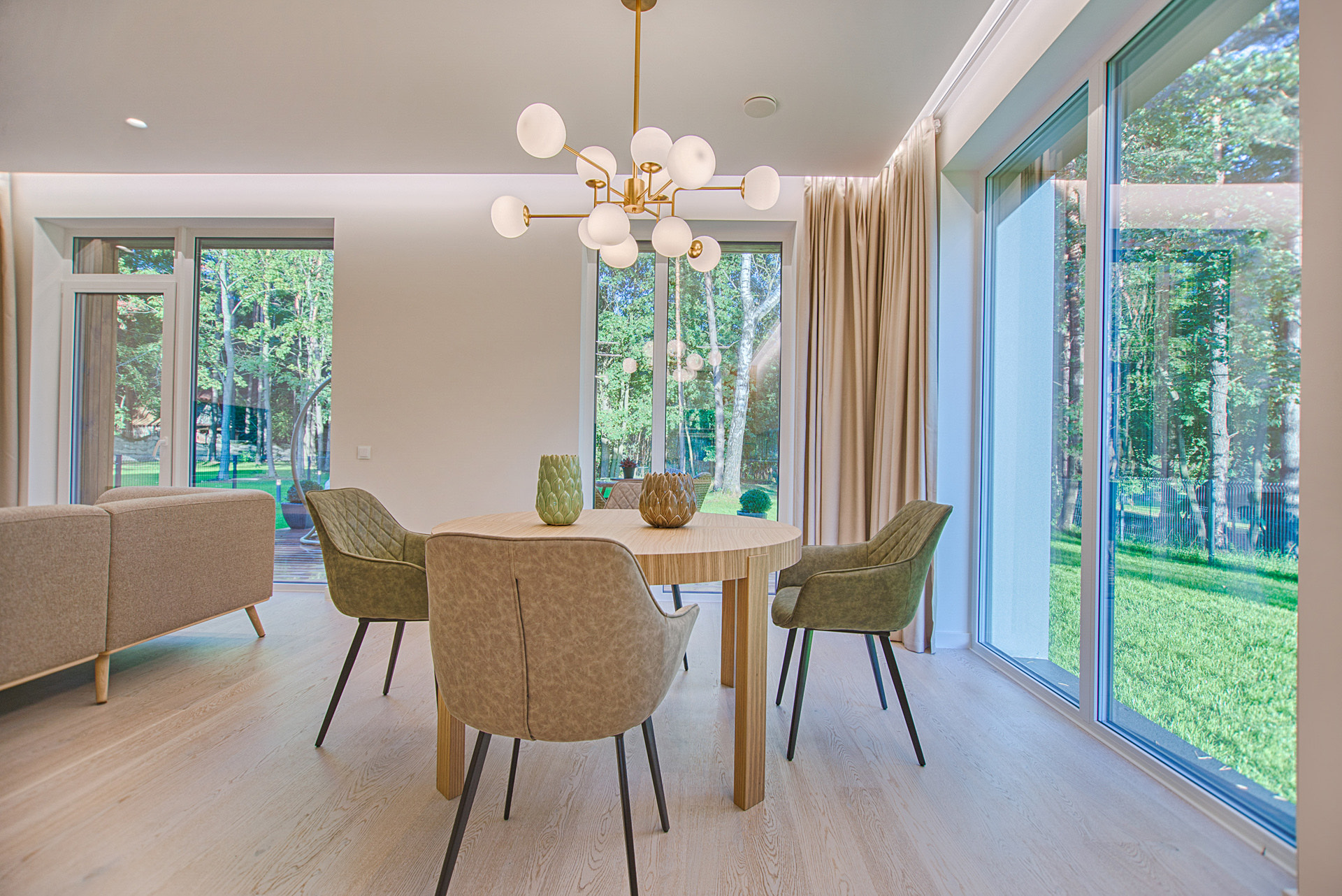
French doors are a strong choice for kitchens, dining rooms and period properties. Opening both leaves creates a generous route to the patio or garden, which is useful for entertaining and for moving furniture or garden equipment. When closed, they provide a symmetrical, elegant appearance and can introduce more natural light than a solid single door.
Security should be considered carefully in the overall design. Modern French door systems can include multi-point locking, secure hinges, toughened or laminated glass and well-designed handles. The key is to choose a premium system with a strong central meeting point and have it fitted accurately, so the doors close, lock and seal as intended.
Sliding and bifold doors for wide garden openings
Where the goal is to open up a larger rear wall, slimline sliding doors and bifold doors are compelling secure back door options. Sliding doors preserve uninterrupted views and work well where furniture or a patio layout leaves little room for outward-opening panels. Bifold doors can fold neatly to one side, creating a wide opening for summer gatherings and extending the feeling of the living space into the garden.
These systems are not a direct replacement for every standard back door. They require sufficient structural opening, careful threshold planning and professional installation. However, when incorporated into an extension or renovation, a high-quality glazed door system can provide security, thermal performance and a striking finish in one considered investment.
What makes a rear door genuinely secure?
The material matters, but security comes from the specification. A door should be assessed as a complete assembly rather than judged by its surface appearance alone.
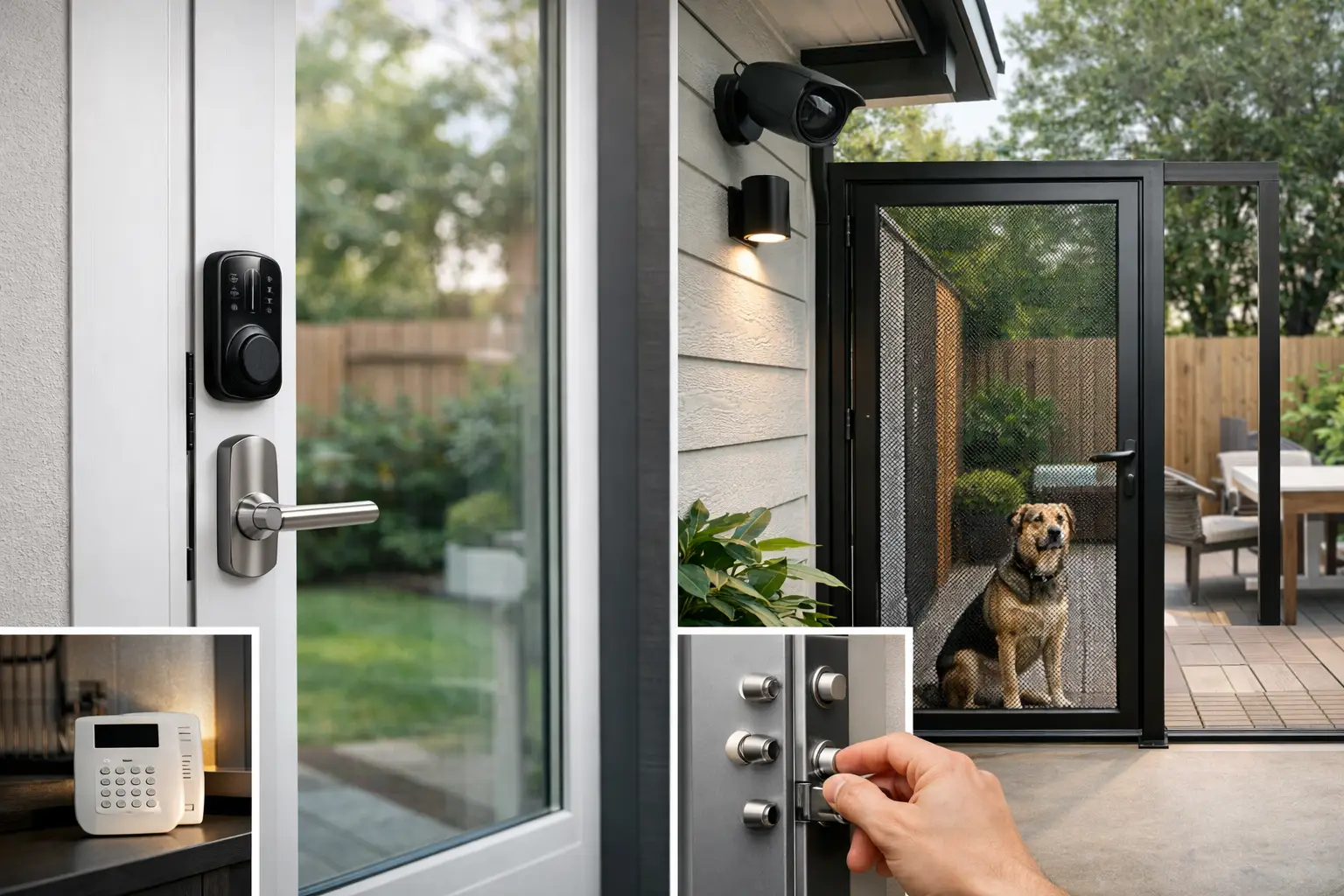
Multi-point locking is a key feature on quality external doors. Rather than securing the door at one point, the mechanism engages at several points along the frame to help keep the door firmly closed. The cylinder, handle and associated hardware should also be appropriate for the door system, with protection against common forms of forced entry considered as part of the package.
Hinges deserve equal attention, especially on outward-opening doors. Good-quality hinges and security features help prevent unwanted movement or interference. For glazed doors, the glass should be toughened or laminated where suitable, and securely retained within the frame. The aim is to make the entire door set dependable without turning your home into something that feels institutional.
A low threshold is another point to discuss early. It can make access easier for pushchairs, wheelchairs and day-to-day movement between the house and garden. The right system can combine accessible design with effective weather sealing and security, but this should be selected for the precise location rather than treated as a universal upgrade.
Do not overlook thermal performance and weather protection
A secure door that feels cold around the edges or allows draughts into the kitchen is not doing the full job. At the rear of a home, doors are frequently exposed to wind and driving rain, particularly on open plots. Frames, seals, thresholds and drainage details all affect comfort.
Composite and aluminium systems can both offer excellent energy efficiency when correctly specified. Glazed areas should use suitable double or triple glazing for the project, balancing thermal performance with the desired style and light levels. Larger expanses of glass naturally change the character of a room, but they should be designed with orientation, shading and privacy in mind.
Professional survey and fitting are essential here. Even a premium door can underperform if it is not installed squarely, sealed correctly or adjusted after fitting. An experienced installer will assess the opening, surrounding brickwork, existing levels and drainage before recommending the most suitable solution.
Match the design to the way you use your home
A utility-room entrance may benefit from a solid composite door with a practical finish and modest glazing. A kitchen extension overlooking the garden might call for aluminium French doors or a sliding system that makes the view part of the room. For a cottage or a property with more traditional detailing, carefully chosen heritage-style colours, panels and hardware can retain character without accepting outdated performance.
Think about privacy as well as the view out. Obscure or patterned glass can bring daylight into a door that faces a neighbouring property or side passage. Handles, letter plates and hinges can be selected in finishes that complement your windows, cabinetry or external lighting. These details may seem secondary, yet they are what make an entrance feel considered rather than merely functional.
It is also worth considering future maintenance. A finish that looks excellent on installation day should remain easy to care for after years of regular use. High-quality materials, correctly fitted hardware and clear aftercare advice protect the value of your investment.
Choosing with confidence
When comparing quotations, ask what is included beyond the door itself. The specification of locks, cylinders, glass, handles, frame, threshold and installation should be clear. Check the installer’s credentials, workmanship standards and aftercare arrangements, rather than making a decision on price alone. A rear door is a daily-use feature and a long-term part of your home’s security envelope.
For homeowners planning improvements across Nottinghamshire and the surrounding counties, Kingdom Architectural Glazing Systems can help turn a broad choice of door styles into a solution that suits the property, budget and intended use. A measured consultation provides the opportunity to discuss security, energy efficiency, design and access before work begins.
The most successful back door is one you barely have to think about: it closes with confidence, keeps the weather outside, complements your home and makes stepping into the garden a pleasure every day.
Recent News
8 September 2026
Conservatory Roof vs Tiled Roof – Which Is Best?
4 September 2026
French Doors vs Patio Doors: Which Is Better?
2 September 2026
How to Reduce Window Draughts in Your Home
31 August 2026
Does Triple Glazing Reduce Noise at Home?